
Mourinho Praises Valverde’s Versatility After Real Madrid’s Sevilla Test
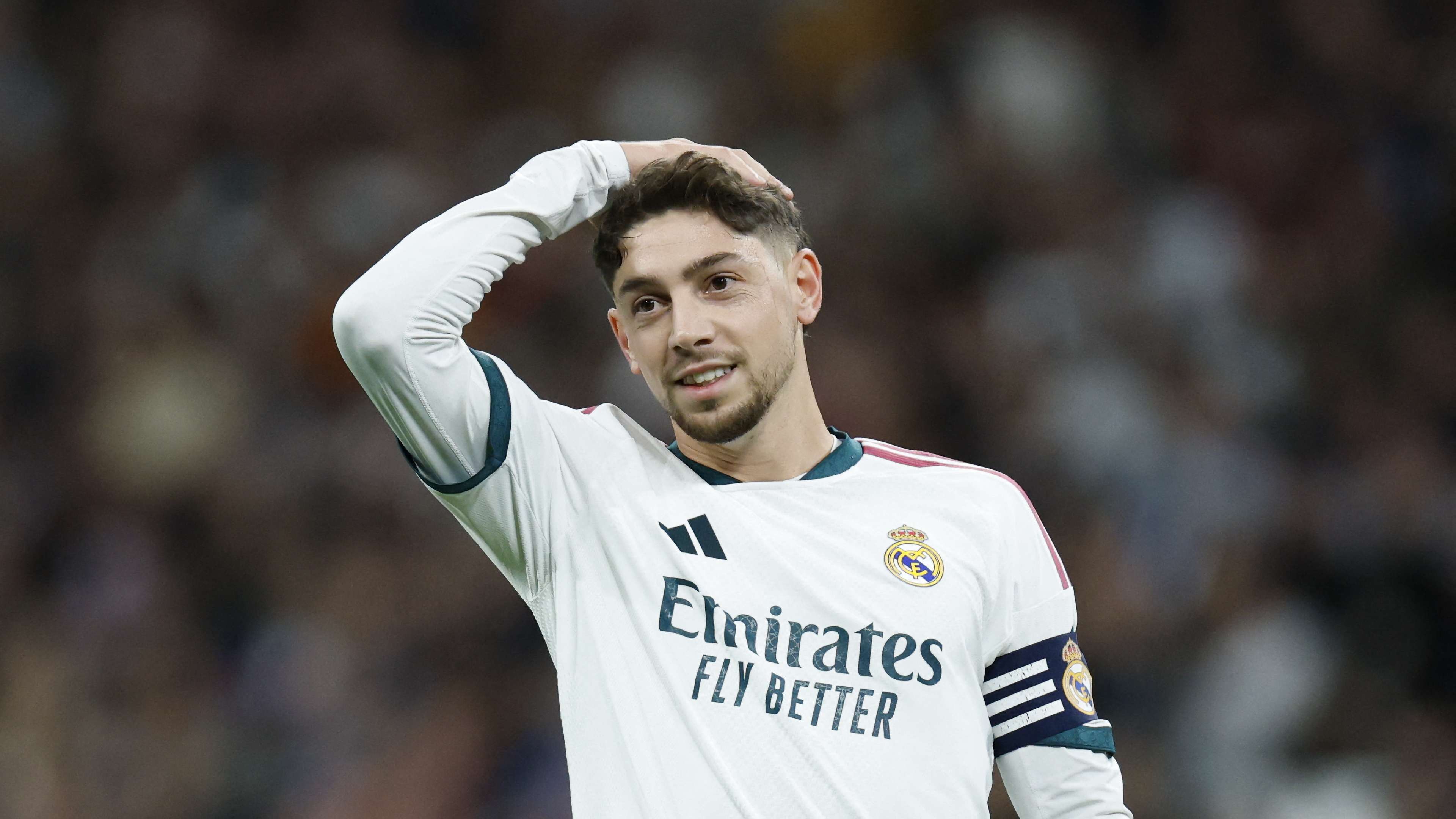
Real Madrid head coach Jose Mourinho has praised captain Federico Valverde for delivering an impressive performance at right-back against Sevilla, highlighting the midfielder’s ability to adapt to demanding roles across the pitch. Mourinho also offered encouragement to young winger Yan Diomande, drawing a comparison between the teenager’s development and Vinicius Junior’s early years in Madrid.
The comments underline two themes that continue to shape Real Madrid’s season: the value of tactical flexibility and the patience required to develop emerging talent. Valverde’s display showed how a trusted senior player can help solve an immediate team need, while Mourinho’s remarks about Diomande suggested that the club is prepared to give its young attackers time to grow.
Valverde makes an impression in an unfamiliar role
Valverde is best known for his energy and influence in midfield, where his pressing, ball-carrying and willingness to cover ground make him a key figure. Against Sevilla, however, he was deployed at right-back—and produced the kind of assured performance that drew praise from Mourinho.
Playing in defence requires more than simply tracking an opposing winger. A right-back must judge when to hold position, when to step forward, and how to contribute to attacks without leaving space behind. Valverde’s athleticism and tactical awareness helped him handle those responsibilities, allowing Real Madrid to maintain balance while still benefiting from his ability to move the ball quickly.
His adaptability is particularly valuable during a long campaign, when injuries, suspensions and fixture congestion can force coaches to rethink their preferred line-ups. A player capable of moving between midfield and defence gives a manager more options without necessarily requiring a major change in the team’s overall approach. For Mourinho, Valverde’s performance was a reminder that the captain can contribute well beyond his usual position.
That versatility also reflects the demands of modern football. Players are increasingly expected to understand several roles and adjust to different phases of play. A full-back may be asked to defend narrowly in one moment, then provide width or support in attack the next. Valverde’s experience in midfield can help him read those transitions, while his physical qualities allow him to cover ground and compete in one-on-one situations.
A captain’s influence goes beyond the position
Valverde’s performance carried significance beyond the tactical experiment itself. As captain, his willingness to take on an unfamiliar assignment can set an example for teammates. Accepting a new role requires concentration and discipline, particularly when it places a player in situations that differ from his regular responsibilities.
It can also help a team stay composed when plans change. If a coach trusts a senior player to fill a gap, younger teammates may find it easier to settle into their own tasks. In that sense, a versatile captain can provide both practical cover and leadership, helping the side respond to challenges without losing its shape.
For supporters following Real Madrid, Valverde’s showing offers another reason to watch how Mourinho uses his squad in upcoming matches. His ability to perform in midfield remains central, but the Sevilla outing could make him a credible option at right-back when circumstances call for it. Whether that becomes a regular solution will depend on the opposition, the available defenders and the team’s wider tactical needs.
Mourinho urges patience with Yan Diomande
Mourinho’s praise for Valverde was accompanied by a message of support for Yan Diomande. The young winger is still developing, and the coach compared his progress with Vinicius Junior’s early period at Real Madrid. The comparison was not necessarily a prediction that Diomande will follow the same career path. Rather, it highlighted how much time, coaching and experience can matter when a young attacker arrives at a demanding club.
Vinicius faced intense scrutiny during his early seasons in Spain. His speed and direct approach were evident, but he also had to improve his decision-making, finishing and ability to influence matches consistently. His eventual progress demonstrated that development rarely happens in a straight line. Young players may show flashes of quality before they become reliable contributors, and they often need the freedom to learn from difficult moments.
Diomande’s situation calls for a similar degree of patience. Wingers are judged quickly because their role is highly visible: a successful dribble or decisive finish can change a match, while a misplaced pass or failed one-on-one can attract immediate criticism. Yet the position requires a broad skill set, including timing, movement without the ball, defensive work and the ability to make the right choice under pressure.
By invoking Vinicius’s early development, Mourinho appears to be asking supporters to assess Diomande over time rather than expecting instant results. The comparison also points to the importance of a clear development plan. Training, carefully chosen playing opportunities and guidance from experienced teammates can help a young winger build confidence while refining the details of his game.
Why Real Madrid’s approach matters
Real Madrid’s squad combines established stars with players still working toward their potential. Managing that mix is a delicate task. Coaches must compete for results in every fixture while also ensuring that promising youngsters receive meaningful opportunities. Too much pressure can hinder development, but too little exposure can make it difficult for a player to adapt to top-level football.
Mourinho’s comments suggest an approach that values both immediate contribution and long-term growth. Valverde offers dependable flexibility now, while Diomande represents a project that may require patience. The two cases are different, but together they illustrate how squad management involves more than selecting the strongest eleven: it also means understanding what each player needs to succeed.
There is also a tactical benefit to having adaptable players and developing attackers available. Valverde’s positional range can help Real Madrid adjust to different opponents, while a winger such as Diomande may eventually provide additional pace and creativity in the final third. If the young player continues to progress, his presence could give the team another option against compact defences or during matches that demand fresh attacking energy.
What to watch next: prediction and outlook
The immediate prediction is that Mourinho will continue to view Valverde as a flexible option rather than permanently removing him from midfield. His right-back performance against Sevilla has strengthened the case for using him there when needed, but his influence in the centre of the pitch remains difficult to replace. Any future selection will likely depend on fitness, opposition tactics and the balance Mourinho wants across the team.
For Diomande, progress may be measured in smaller steps: improved decision-making, stronger defensive contribution and more consistent performances when given minutes. The Vinicius comparison offers encouragement, not a guarantee. His long-term prospects will depend on how he responds to coaching and competition, as well as the opportunities available within a demanding Real Madrid squad.
For fans looking ahead to the next round of football, Mourinho’s remarks provide a useful lens through which to assess the club’s choices. Valverde’s versatility could prove important during a congested schedule, while Diomande’s development will be one to follow over the coming months. Neither storyline is settled, but both offer insight into how Real Madrid are balancing tactical needs with the future of their squad.