
Real Madrid Face Growing Pressure in China Over Kylian Mbappé Controversy
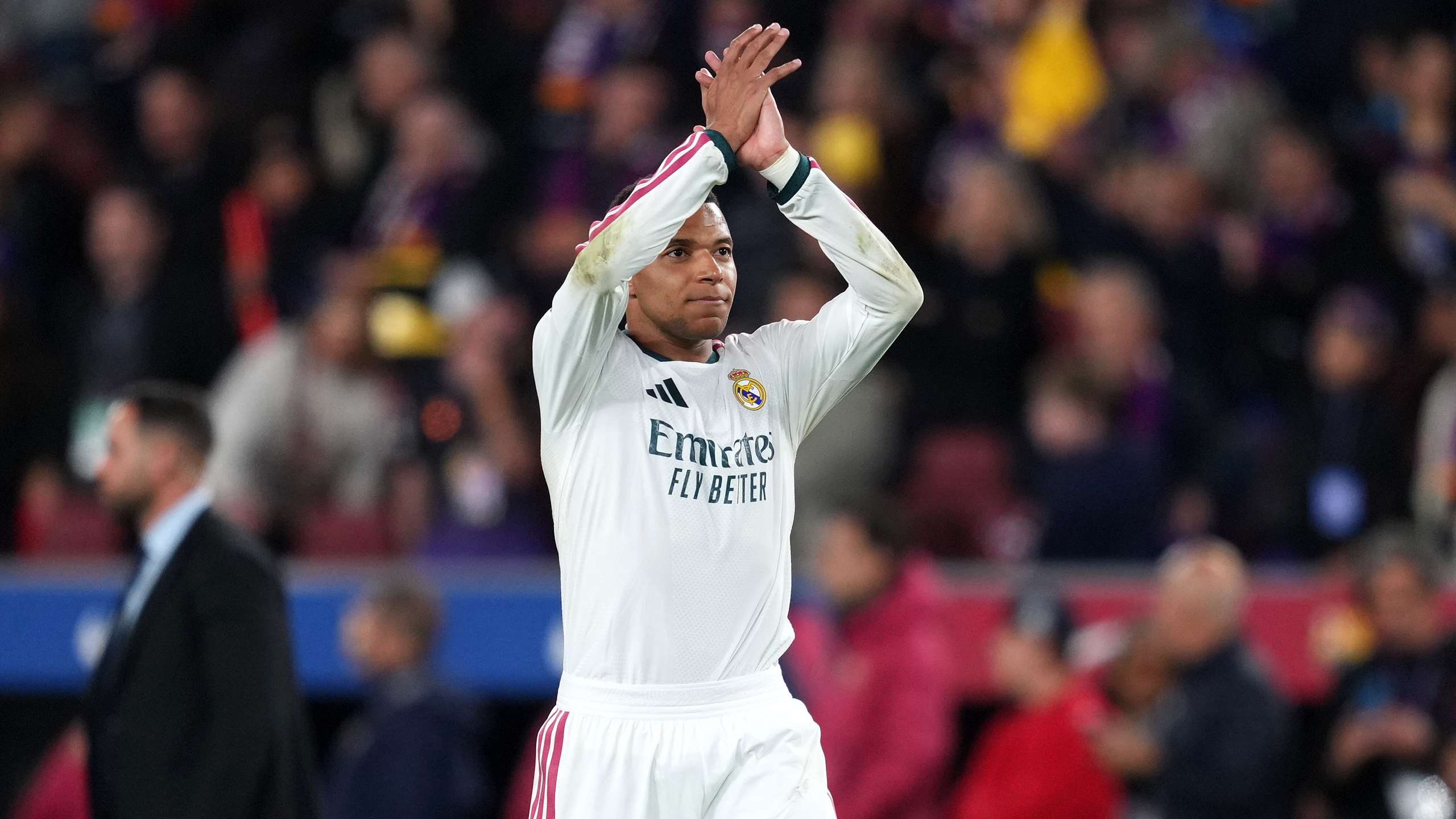
Real Madrid are facing mounting criticism in China after declining to apologise for comments made by star forward Kylian Mbappé. The club has sought to separate the player’s personal remarks from its commercial relationships, but that distinction has failed to satisfy a major Chinese media organisation, which says discussions will remain suspended until Madrid issues a public apology.
The dispute has become more than a social-media controversy. It now involves questions of corporate responsibility, football’s global reach and the risks clubs face when players’ public comments collide with political and cultural sensitivities in important markets.
How the controversy began
The issue gathered pace after a video circulated showing Mbappé reacting to mocking images of him portrayed as a dictator. The material reportedly included a reference to Mao Zedong, the late founder of the People’s Republic of China. Mbappé’s response triggered anger among many Chinese fans and commentators, turning a brief online moment into an international dispute.
The French forward later apologised publicly, but the reaction in China continued. Several brands reportedly ended commercial partnerships directly involving the player, while Chinese state media removed content about him. The Chinese Football Association also protested, adding an official sporting dimension to the backlash.
Such consequences underline how quickly a footballer’s online presence can affect sponsorships and public relationships. For a globally recognised player such as Mbappé, personal remarks can travel well beyond the original audience—and may be interpreted differently across countries and cultures.
La Liga and Real Madrid take different approaches
La Liga president Javier Tebas has taken a more conciliatory public position than Real Madrid. Tebas reportedly held an emergency meeting with China’s ambassador to Spain and apologised to the Chinese people on behalf of the competition. He also stressed that the actions of one individual should not damage the relationship between Spanish football, Chinese partners and supporters.
Real Madrid, by contrast, have maintained that Mbappé’s comments were personal and were not intended to offend. According to reports by OK Diario, later relayed by French outlet Foot Mercato, the club intends to preserve its commercial ties in China and says its agreements with Chinese sponsors have not changed.
The club’s position appears designed to draw a boundary between an individual player’s expression and the institution’s business commitments. Madrid has not accepted that Mbappé’s remarks should automatically be treated as an official statement by the club. However, critics in China argue that the club cannot entirely separate itself from the conduct of one of its most prominent players.
Chinese media group rejects Madrid’s explanation
The disagreement intensified after a spokesperson for the Sports and Youth Centre of China Media Group (CMG), the organisation that owns Chinese broadcaster CCTV, rejected Madrid’s explanation. Chinese news agency Dongqiudi reported the comments, citing OK Diario.
The spokesperson said that La Liga’s president and other relevant parties had repeatedly contacted CCTV to offer a public apology. The statement described Mbappé’s remarks as unacceptable, arguing that they had hurt the Chinese people and crossed the limits of freedom of expression.
The spokesperson also placed responsibility on Real Madrid because Mbappé is a player at the club. CMG rejected the argument that the forward did not intend to offend anyone and had a right to express personal views. In the organisation’s view, Madrid’s status and influence mean it cannot simply treat the incident as an individual matter.
That response highlights the central problem for the club: intent and impact are being judged differently. Madrid’s reported position focuses on the player’s intention, while the Chinese side is emphasising the offence caused and the responsibility it believes the club should accept.
Commercial uncertainty remains unresolved
Madrid has said its Chinese partnerships remain unchanged, but CMG has declined to confirm that claim. Its spokesperson warned that comments considered offensive could provoke widespread anger across Chinese society, and said discussions were suspended until the club apologises.
The distinction between the player’s contracts and the club’s wider sponsorship portfolio is important. Brands may decide independently whether to continue working with Mbappé, while broadcasters and commercial partners can make separate decisions about their relationships with Real Madrid. As a result, the club’s assertion that its agreements remain in place does not necessarily mean every partner has publicly reaffirmed its support.
For now, the disagreement leaves the commercial picture uncertain. A public apology could help reopen talks, but it might also raise questions about how clubs should respond when a player’s personal comments become a diplomatic or cultural issue. Refusing to apologise, meanwhile, may preserve Madrid’s position on individual expression while prolonging the standoff.
What the dispute means for global football
Real Madrid’s popularity in China gives the dispute added significance. The country has a large audience for international football, and major clubs rely on overseas markets for sponsorship, broadcasting exposure and fan engagement. A breakdown in relations with influential media organisations could therefore carry consequences beyond one player’s endorsement deals.
The episode also offers a reminder that football clubs operate as global brands, not only as sporting institutions. Players’ comments can affect a club’s reputation even when management insists they were made in a personal capacity. In a fast-moving media environment, statements and video clips can spread internationally before clubs have time to assess the reaction or prepare a response.
There is no clear prediction yet for how the dispute will end. Much may depend on whether Madrid changes its position, whether Chinese partners take further action and how the club balances its principles with its commercial interests. What is clear is that Mbappé’s apology has not resolved the wider disagreement: Chinese officials are seeking an apology from Real Madrid itself, while the club continues to defend the separation between the player’s remarks and its business relationships.