
Dani Carvajal explains his Getafe move, relationship with Arbeloa and thoughts on Mourinho
Dani Carvajal has opened up about the decisions that reshaped his career in the summer of 2026, including his departure from Real Madrid, his move to Getafe and his determination to return to regular football after a serious injury. The former Madrid captain also discussed his relationship with Álvaro Arbeloa, assessed his old club’s current level and shared his perspective on José Mourinho’s arrival following the Clásico.
Speaking to Manu Carreño on Cadena SER’s El Larguero, Carvajal made clear that his next chapter is about more than finding a new club. After years at the top of European football, he wanted a setting where he could compete consistently, recover his rhythm and once again feel fully involved in the game.
Why Carvajal chose Getafe over offers from abroad
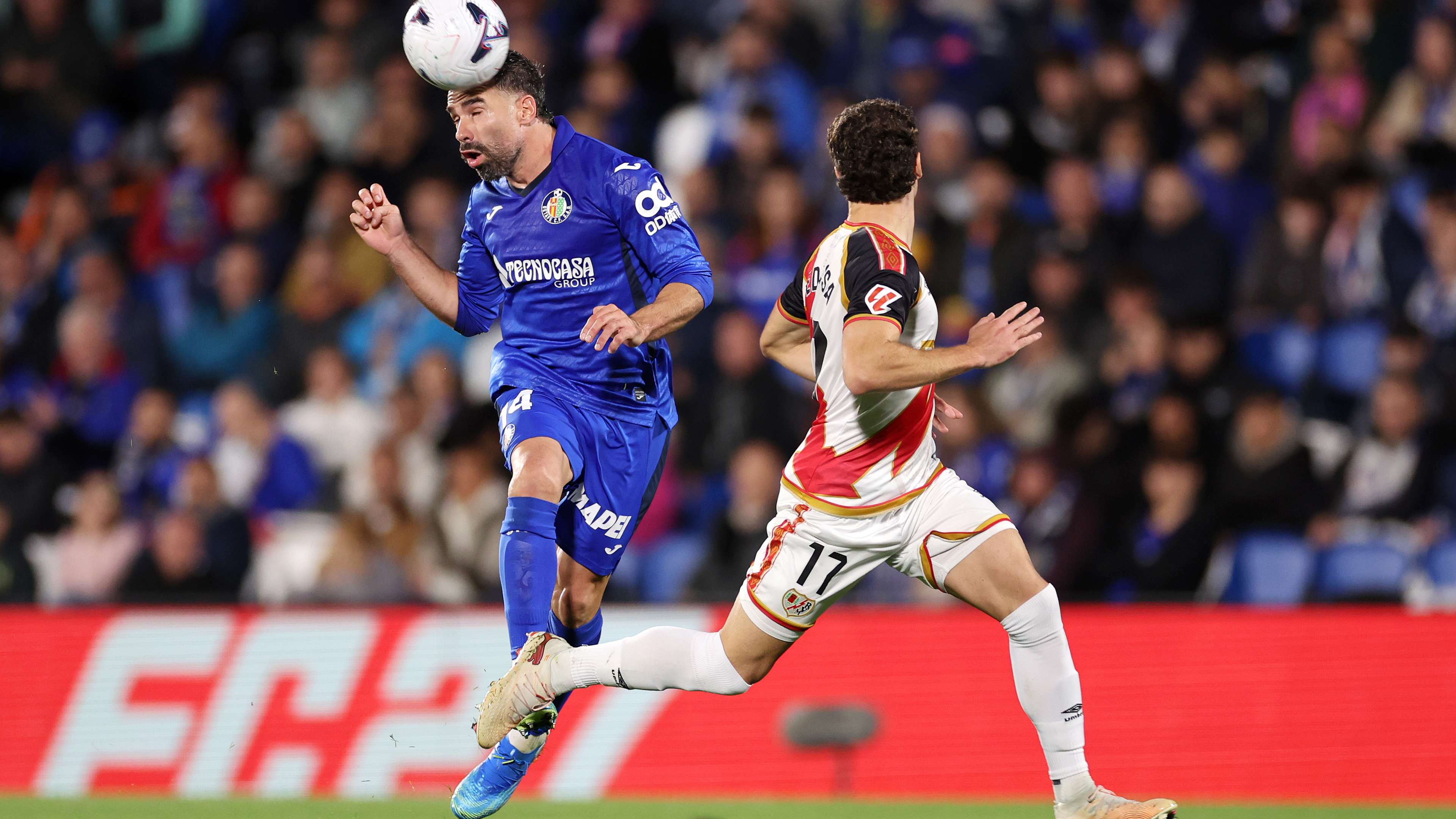
Carvajal’s move to Getafe marked a striking change for a player whose career had been closely associated with Real Madrid. He had received offers from the Middle East, but chose not to pursue them. Instead, the defender opted to stay in Spain and join a club with a different profile, working under coach José Bordalás.
He described the decision as one driven by “great passion”. More than the financial or international appeal of other opportunities, Carvajal said he wanted “to feel like a footballer again”. After a difficult period spent dealing with injury, the chance to train, play and contribute week after week carried particular importance.
Getafe’s approach could also suit a player seeking a demanding return to competitive football. Bordalás is known for organising hard-working, disciplined sides, where defensive concentration and commitment are essential. For Carvajal, that environment offers a clear challenge: rebuild his match fitness, provide experience and help the team compete in a demanding league.
The injury that changed the end of his Real Madrid spell
The injury that disrupted Carvajal’s final period at Real Madrid occurred at the Santiago Bernabéu. Its consequences were severe, affecting his level on the pitch and keeping him out of contention for the 2026 World Cup. For a player accustomed to competing for major trophies and representing Spain, the setback was both professionally and personally significant.
Carvajal acknowledged that he has watched footage of the incident “hundreds of times”. Repeatedly revisiting an injury can be difficult, but it can also reflect how deeply an athlete is trying to understand a moment that altered the course of a season. His comments underline that recovery is not simply about physical rehabilitation: returning to confidence and feeling ready for the demands of elite football can take time as well.
Missing the World Cup was another major cost. International tournaments are rare opportunities, particularly for a senior player with Carvajal’s experience. His absence meant losing the chance to contribute on the biggest stage, while also reinforcing the urgency of finding a club where he could regain competitive sharpness.
Carvajal on Real Madrid’s current level
Although he has moved on from Real Madrid, Carvajal remains closely connected to the club where he built his reputation. In his interview, he spoke frankly about the team’s current level, offering a perspective shaped by years of experience in the dressing room and in high-pressure matches.
Former players can bring useful context to debates about a club’s performance. Results are only one part of the picture: consistency, fitness, tactical balance and the ability to respond under pressure all influence how a team performs across a long season. Carvajal’s assessment is therefore likely to interest supporters looking beyond the latest scoreline and trying to understand what is working—and what may need to improve.
His comments also arrive at a time when attention around Madrid is heightened by the Clásico and the discussion surrounding Mourinho’s arrival. A high-profile appointment can quickly change expectations, but its impact depends on how a coach’s ideas fit the squad and whether players can adapt to new demands. Carvajal offered his opinion on Mourinho, adding another informed voice to the conversation around the club’s direction.
His relationship with Álvaro Arbeloa
Carvajal also addressed his relationship with Álvaro Arbeloa. The subject is significant because their connection extends beyond the usual conversations between a player and a former teammate or colleague. Both men have long-standing links to Real Madrid, and their shared experience gives their relationship added interest for fans following developments at the club.
Rather than reducing that connection to speculation, Carvajal spoke about it directly in the interview. His comments provide a personal angle on how he views Arbeloa and the relationship they have maintained. In football, familiarity can be valuable, but it does not automatically remove professional pressure: coaches and players still have to communicate clearly, make difficult decisions and focus on results.
A new challenge—and a prediction for Carvajal’s return
Carvajal’s move to Getafe is a fresh start, but it is not a retreat from ambition. His immediate priority is to return to a level that allows him to make a consistent contribution. If he can stay fit and build match rhythm, his experience could prove valuable to a side that needs reliability and leadership across a long campaign.
Any prediction about his next season should be cautious. A serious injury can make progress difficult to forecast, and regular appearances will depend on his recovery, fitness and adaptation to Bordalás’ demands. Still, Carvajal’s motivation is clear: he chose Getafe because he wanted to play football again, not simply to extend his career on the sidelines.
His interview offers a candid look at a major transition. Carvajal has left behind the familiarity of Real Madrid, confronted the lasting effects of a devastating injury and chosen a demanding new challenge close to home. For Getafe, the former captain brings experience and a point to prove. For supporters, his story is a reminder that even an accomplished footballer can face a career-defining setback—and that the next chapter can begin with the simple desire to get back on the pitch.