
Can Michael Carrick restore Manchester United’s balance, or is a change inevitable?
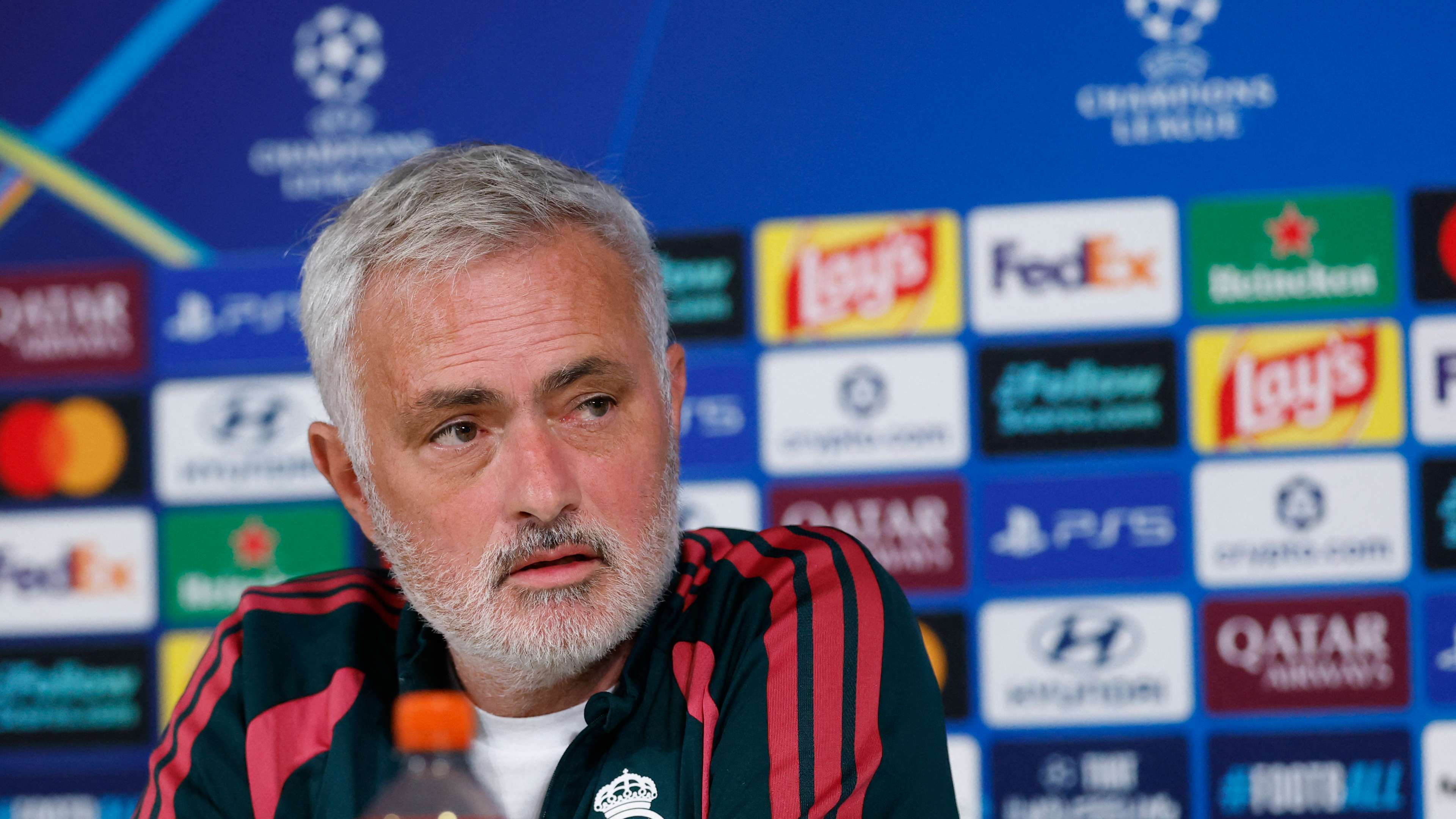
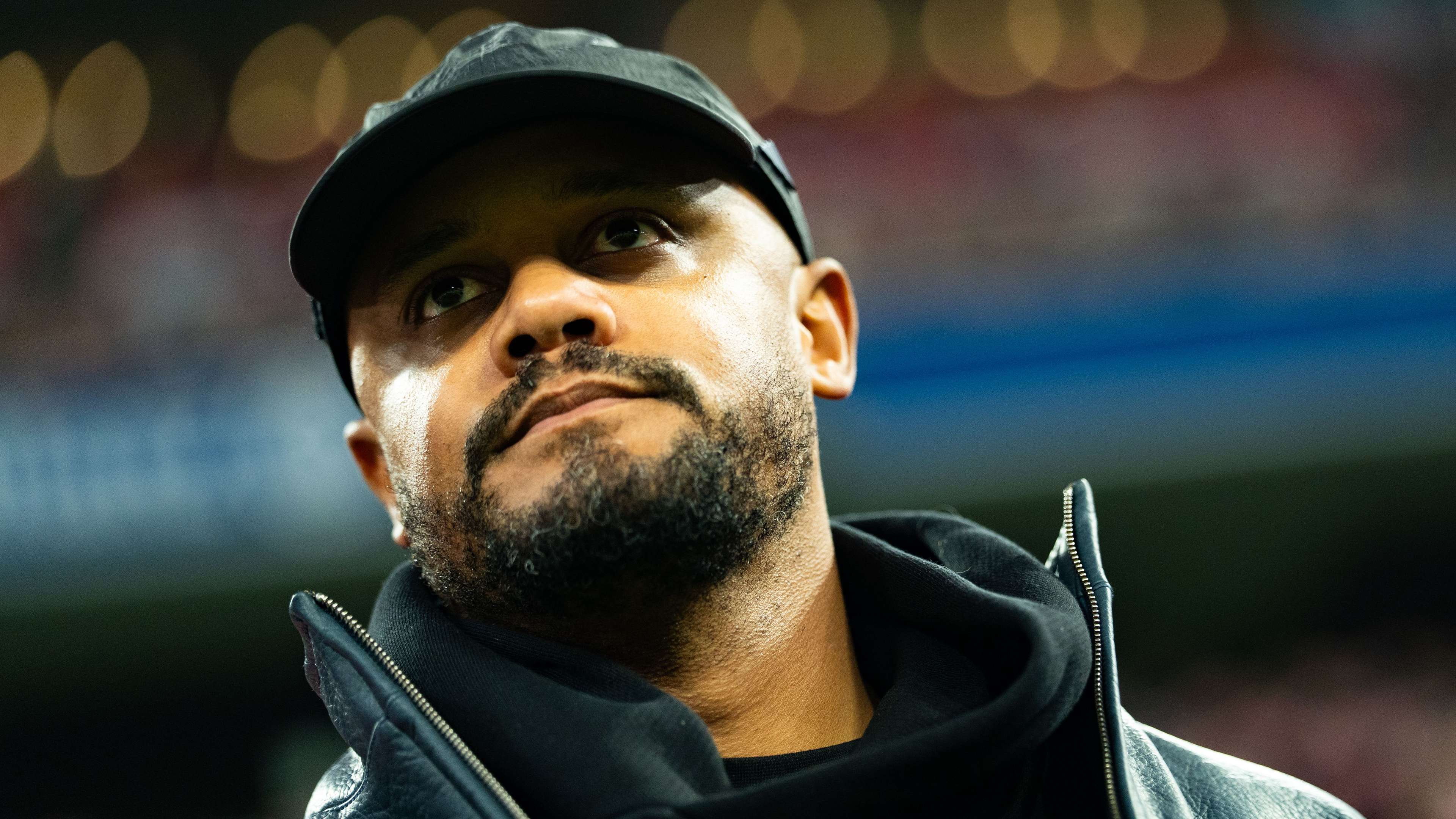
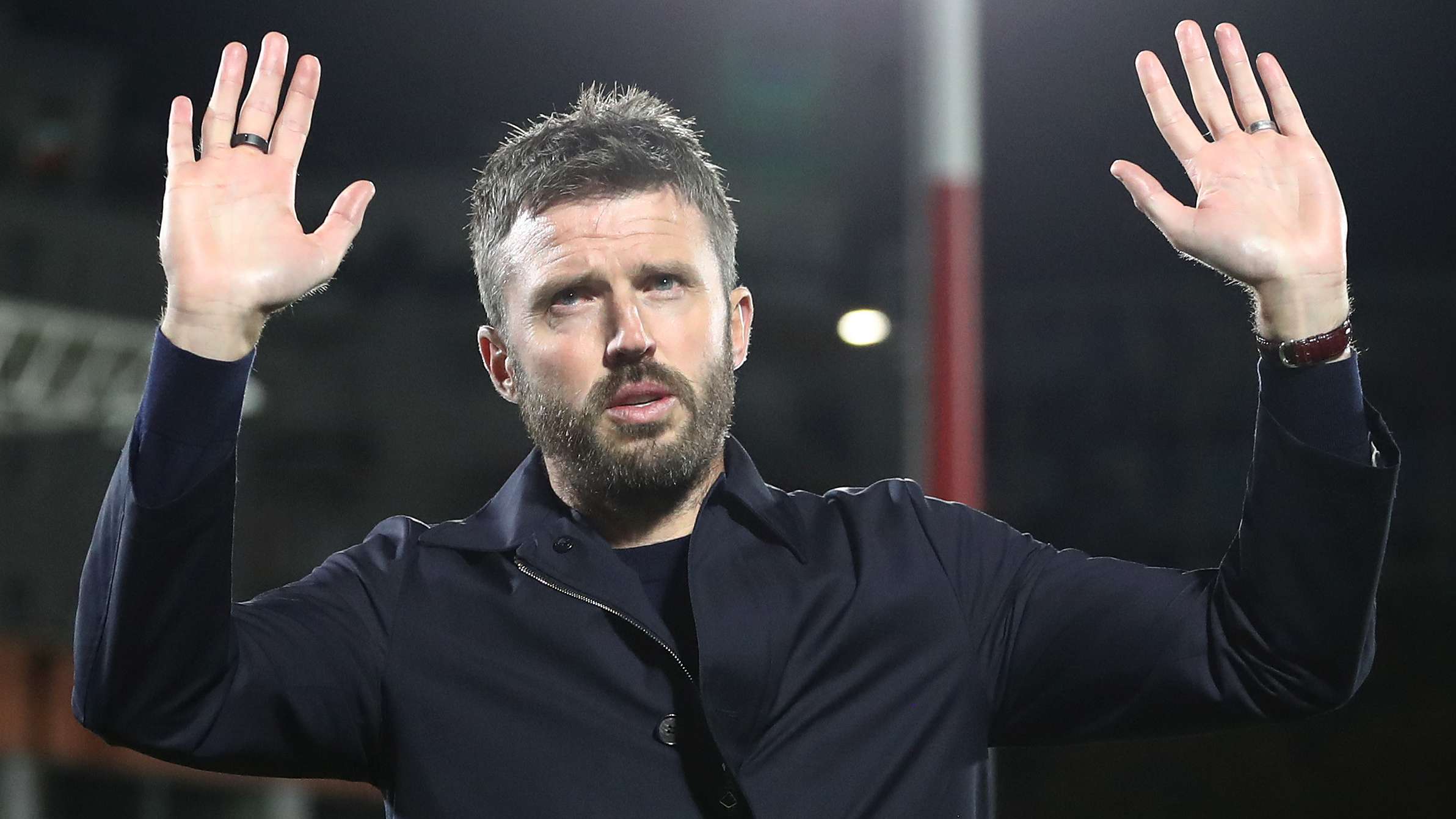
Manchester United’s difficult start to the season has put Michael Carrick under growing pressure, with questions emerging over whether he can steady the team or whether the club should consider a change in the dugout. Germany coach Julian Nagelsmann has reportedly become a leading potential candidate if United decide to part ways with their current manager.
According to Telegraph Sport, Nagelsmann would be open to taking the Manchester United job if it became available. The former Germany and Bayern Munich boss is an ambitious option for a club searching for a stronger identity and more consistent results. For now, however, United maintain that they continue to back Carrick, despite a run of performances that has intensified scrutiny from supporters and pundits.
A troubling run puts Carrick under the spotlight
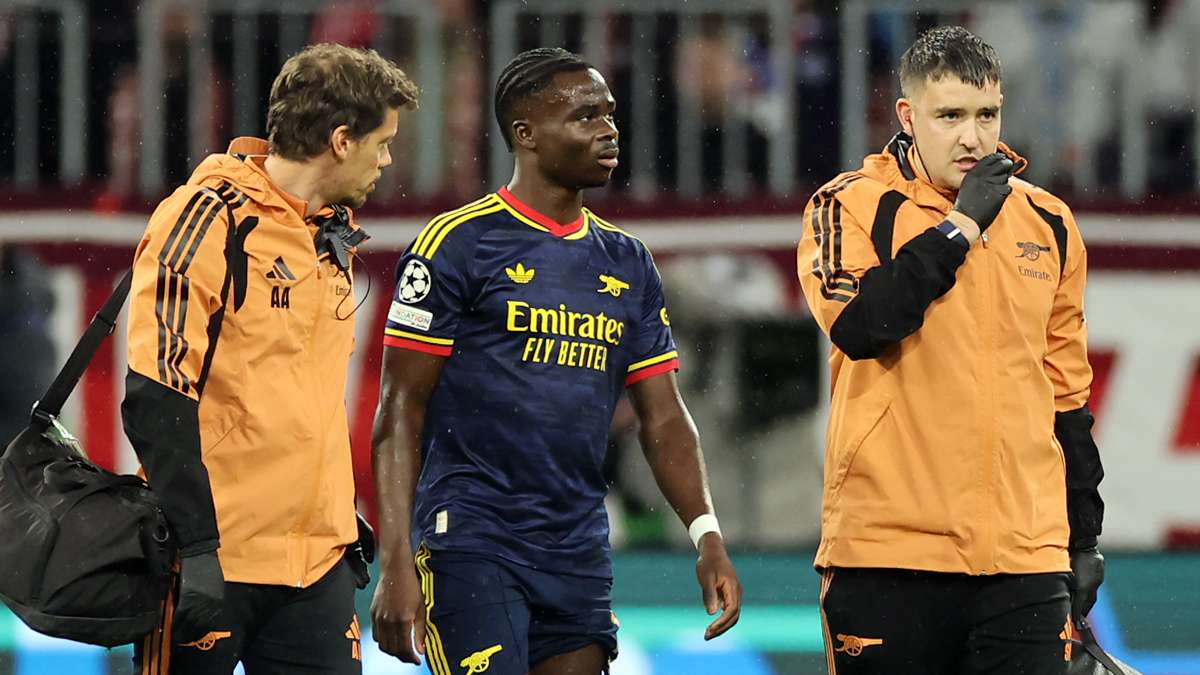
United have won just two of their first 11 matches across all competitions and are without a victory in their last seven. That sequence has left the club struggling to build momentum and made each upcoming fixture feel increasingly important. The most damaging result was a 4-1 Champions League defeat away to Como, a performance that raised fresh concerns about the team’s organisation and ability to respond under pressure.
The disappointment was followed by public criticism from captain Bruno Fernandes. His comments added weight to existing concerns about Carrick’s tactical approach, as well as the work of assistant coach Steve Holland. Reports suggest frustration is not limited to the scorelines: questions have also been raised about United’s pressing, intensity and apparent lack of energy.
Those issues matter because Manchester United’s problems appear broader than a short-term dip in finishing. When a team struggles to press effectively or maintain its shape, opponents can find space to play through the midfield and attack exposed areas. Carrick’s challenge is therefore not simply to secure a win, but to show that the side has a clear, repeatable plan.
Bournemouth match could shape the immediate future
United’s next Premier League fixture, a home meeting with Bournemouth at Old Trafford, could prove significant for Carrick’s short-term prospects. The club have not beaten Bournemouth in more than three years, making the match a difficult test even before considering the pressure surrounding the manager. Bournemouth, meanwhile, are looking to build on their first league victory of the season last week.
For United, a strong performance would offer more than three points. It could provide evidence that the players remain committed, that the coaching staff can make effective adjustments and that the team is capable of controlling a match. A flat display or another damaging result would likely increase calls for the club’s leadership to reconsider its position.
Any prediction about Carrick’s future remains uncertain. United have reportedly not made an immediate decision, and there are arguments for giving him until the next international break in mid-November to improve results. That would allow the club to assess a broader run of performances rather than react to one result. Yet the pressure of modern football means that patience can quickly disappear when poor form is accompanied by questions about tactics and morale.
Why Nagelsmann is an intriguing alternative
Nagelsmann would represent a high-profile alternative if United conclude that a managerial change is necessary. His experience with Bayern Munich and Germany gives him a strong résumé, while his reputation is associated with modern tactical ideas and an emphasis on structure and adaptability. Those qualities could appeal to United as they seek greater balance between attacking ambition and defensive reliability.
However, appointing a new manager would not automatically solve the club’s problems. A change in leadership would bring its own demands, including adapting the squad to a different system and restoring confidence among players. United would also need to decide whether the next appointment should prioritise immediate results, long-term development or a combination of both.
Reports indicate that, if the club does dismiss Carrick, decision-makers would prefer a prominent coach with a commanding personality. That suggests United may be looking beyond tactical expertise alone. The next manager would need to handle the pressure of a demanding club, establish authority in the dressing room and persuade supporters that there is a credible plan for progress.
Results, tactics and confidence all need attention
Carrick’s most urgent task is to restore the basic elements of a reliable football team: organisation without the ball, purposeful movement in possession and sustained effort across the full 90 minutes. United’s recent results have made confidence fragile, but a clear improvement in those areas could help rebuild trust even before the team returns to winning consistently.
Fernandes’ criticism is particularly significant because he is the club captain and one of its most influential players. Public disagreement does not necessarily mean the dressing room has turned against Carrick, but it does underline the importance of communication between the coaching staff and senior players. A united response on the pitch would be one of the clearest signs that the squad is still prepared to fight for its manager.
For supporters, the central question is whether the current run reflects a temporary slump or deeper problems with the team’s direction. United’s next performances may provide important clues. A convincing display against Bournemouth could buy Carrick valuable time, while another defeat would strengthen the case for change and bring Nagelsmann’s name further into the conversation.
For now, Manchester United say they remain behind Carrick. But with results deteriorating, tactics under scrutiny and a potential replacement reportedly open to the job, the coming fixtures could define the next stage of the club’s season. The prediction is difficult: Carrick may yet restore balance, but he will need to demonstrate progress quickly enough to convince both the players and the people making decisions at Old Trafford.