
Manchester United’s Crisis Deepens After 4-1 Defeat to Como
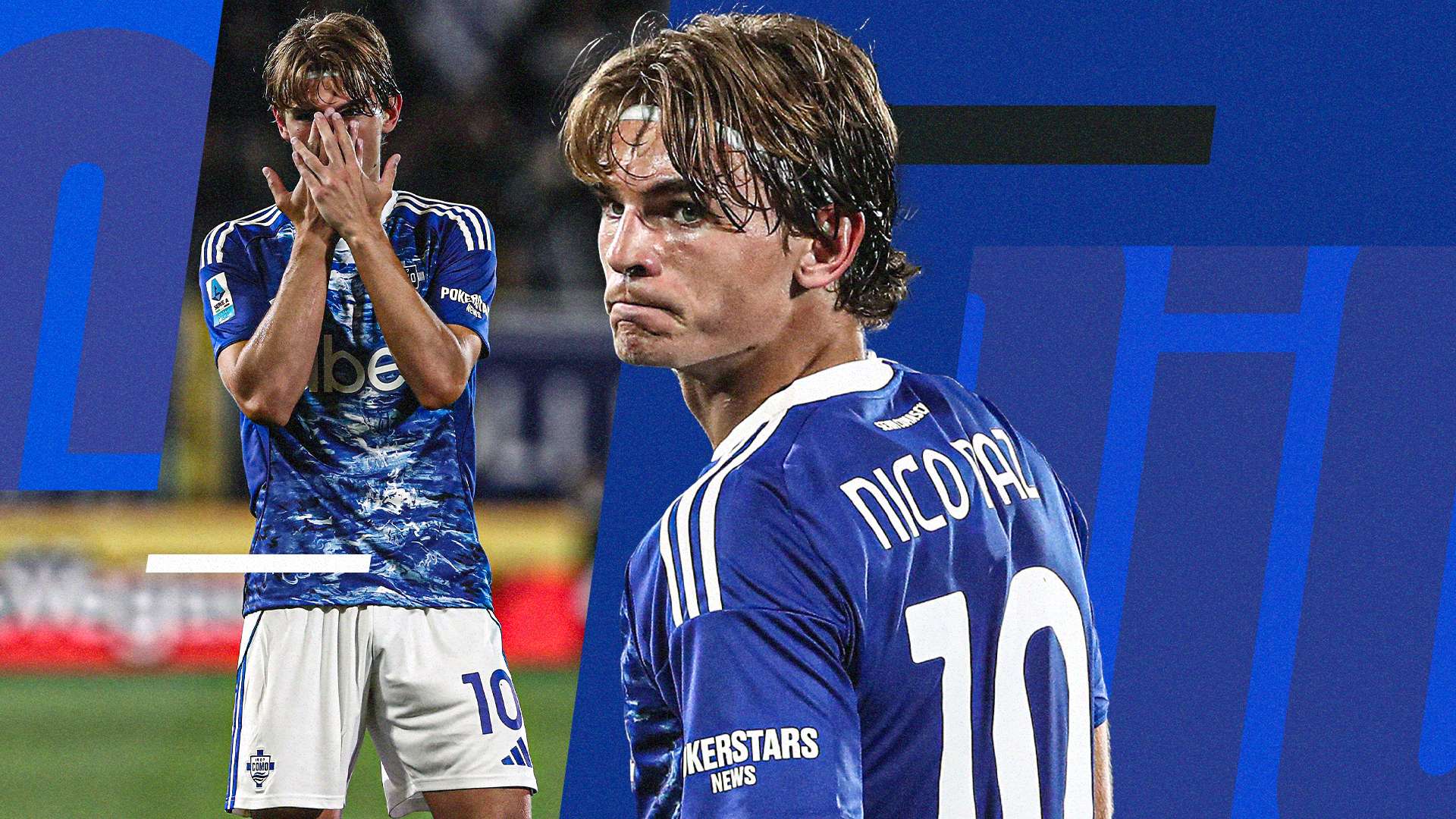
Manchester United’s difficult season has reached another low point after a heavy 4-1 away defeat to Como, a result that has intensified questions about manager Michael Carrick’s future. The loss was especially striking because Como, led by former Barcelona midfielder Cesc Fàbregas, are making their European debut. For United, the performance offered little evidence of a team capable of reversing its slide.
Since 10 September, United have struggled to find a win, collecting disappointing league draws, suffering damaging defeats and exiting the League Cup. Their recent victory over Sabah briefly kept their Champions League campaign alive, but the Como result has shifted attention back to the club’s wider problems: inconsistent performances, a growing injury list and uncertainty over who should lead the team next.
A Defeat That Raises Fresh Questions About Carrick
Carrick took charge midway through last season, initially tasked with steadying a side in need of direction. But the former United midfielder now appears to be under mounting pressure. The loss in Italy was not simply a setback on the scoreboard; it reinforced concerns that the team has lost its structure and confidence at a crucial stage of the campaign.
United have looked short of ideas in possession and vulnerable when opponents attack with pace. Injuries have limited the manager’s options, but the team’s problems have extended beyond selection. Players have struggled to maintain intensity, respond to setbacks and impose themselves on matches. When a side repeatedly fails to recover after conceding, questions inevitably arise about preparation, leadership and belief.
The prediction surrounding Carrick’s position has become increasingly uncertain. A club can tolerate a poor result when there are signs of progress, but a run of disappointing performances can quickly change the conversation. The Como defeat is likely to strengthen calls for a decision, particularly if United’s next fixtures bring more of the same.
Why the Como Result Matters
Como’s achievement should not be overlooked. Their European debut represents a major milestone, and the team delivered a performance that combined energy, organisation and confidence. Fàbregas has helped build a side willing to play with purpose, and the 4-1 victory will be remembered as a landmark result for the Italian club.
For United, however, the match exposed the gap between reputation and current performance. The English side entered the contest with greater European pedigree, yet Como appeared more composed and decisive. United’s defence struggled to contain the hosts, while their attacking play lacked the sharp movement and coordination needed to turn possession into clear chances.
That contrast matters because Manchester United are not only competing for points and progress in Europe. They are also trying to restore credibility. Every poor performance adds pressure on players and staff, while giving supporters further reason to question the direction of the project. The club’s response will be closely watched—not just in the next match, but in the decisions made behind the scenes.
Antonio Conte Emerges as a Possible Replacement
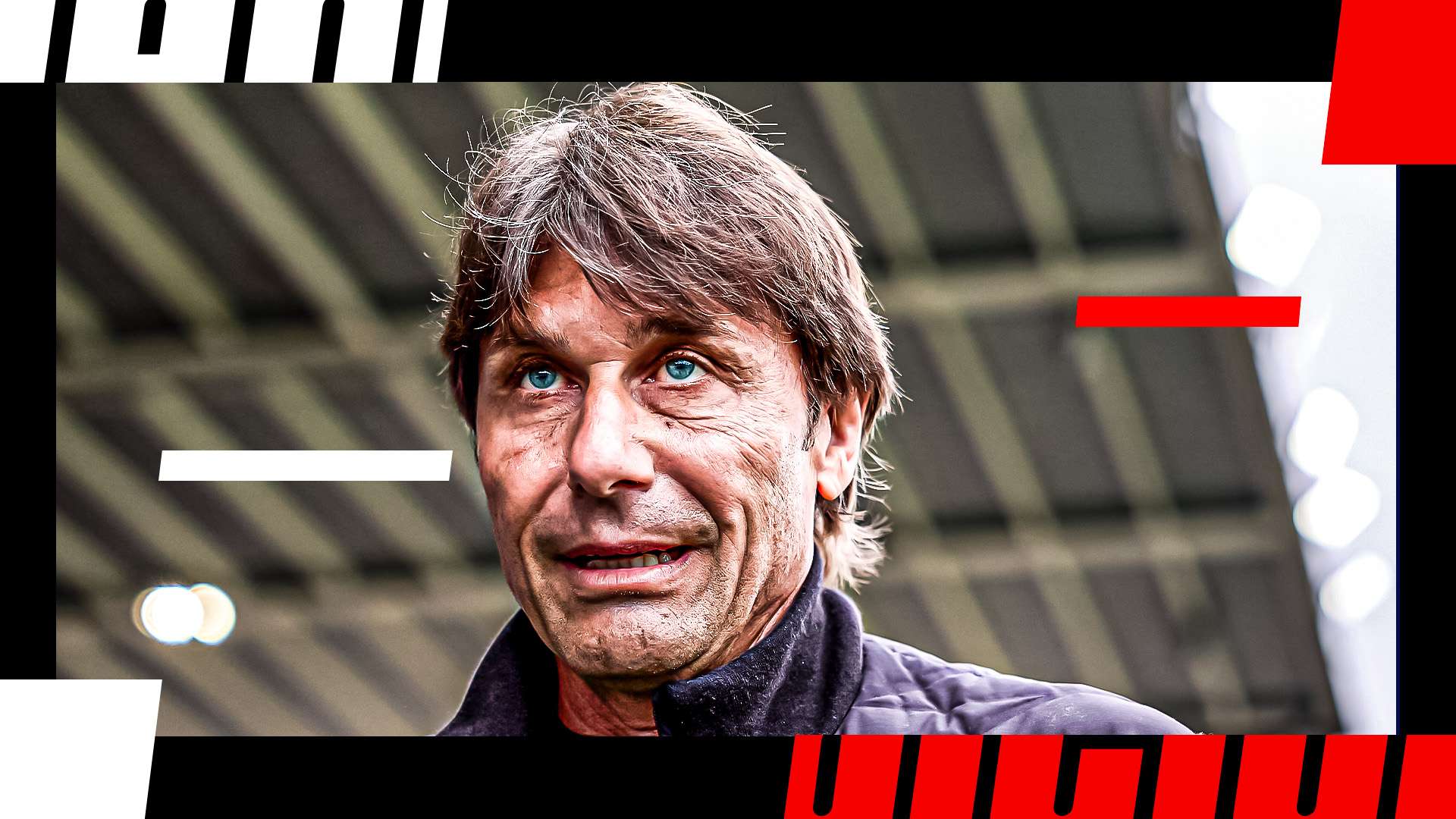
As speculation over Carrick’s future grows, Antonio Conte has been mentioned as a leading candidate to take over during the season. The experienced Italian is known for demanding high standards, tactical discipline and intense training. His teams often rely on clear roles and strong organisation, qualities United have appeared to lack during their recent slump.
A Conte appointment would represent a significant change in approach. He has a record of delivering immediate improvements at clubs, but his methods can also be demanding and may require substantial support from the board. Any transfer or managerial plan would need to account for the squad’s existing strengths, injury concerns and the club’s longer-term ambitions.
There is no guarantee that a new manager alone would solve United’s problems. A mid-season change can provide a short-term lift, but lasting improvement depends on consistent recruitment, a coherent tactical identity and clear communication between the manager and club leadership. If Conte is considered, the decision would need to reflect more than the urgency created by one defeat.
Transfer Priorities and Squad Concerns
The result has also renewed discussion about Manchester United’s transfer strategy. Injuries have reduced Carrick’s choices, but the team’s lack of balance suggests that recruitment may need to address more than depth. United require players who can contribute reliably across a demanding schedule, defend transitions effectively and offer creativity when opponents sit deep.
Any transfer activity will depend on the club’s budget, the availability of suitable targets and its view of the manager’s future. Signing players before deciding who will lead the team can create complications, particularly if a new coach prefers a different system. Yet delaying every decision also carries risks: a squad with visible weaknesses may struggle to recover lost ground.
United will need to assess which problems are temporary and which point to deeper structural issues. The injury list may explain some selection difficulties, but it cannot account for every lapse in concentration or lack of attacking cohesion. A careful review of performance data, player roles and recruitment priorities could help the club avoid making reactive choices.
What Happens Next for Manchester United?
The immediate focus is on whether United can respond with greater discipline and urgency. A strong performance in the next fixture would not erase the Como defeat, but it could offer evidence that the squad remains committed and capable of adapting. Another flat display, by contrast, would increase pressure on Carrick and make a managerial change harder to dismiss.
For supporters, the central concern is no longer just the latest score. It is whether the club has a convincing plan to stop the decline. Manchester United need clarity over their leadership, a more dependable approach on the pitch and a transfer strategy that supports a defined footballing vision.
The 4-1 loss to Como may prove to be a turning point, though it is too early to know whether it will mark the end of Carrick’s tenure or the beginning of a recovery. What is clear is that United cannot afford to treat the defeat as an isolated accident. Their next decisions—on the manager, squad and transfer priorities—will shape both the remainder of the season and the prediction for what comes next at Old Trafford.