
Portuguese Authorities Revise Protective Measures for Rui Pinto Amid Football Leaks Revelations
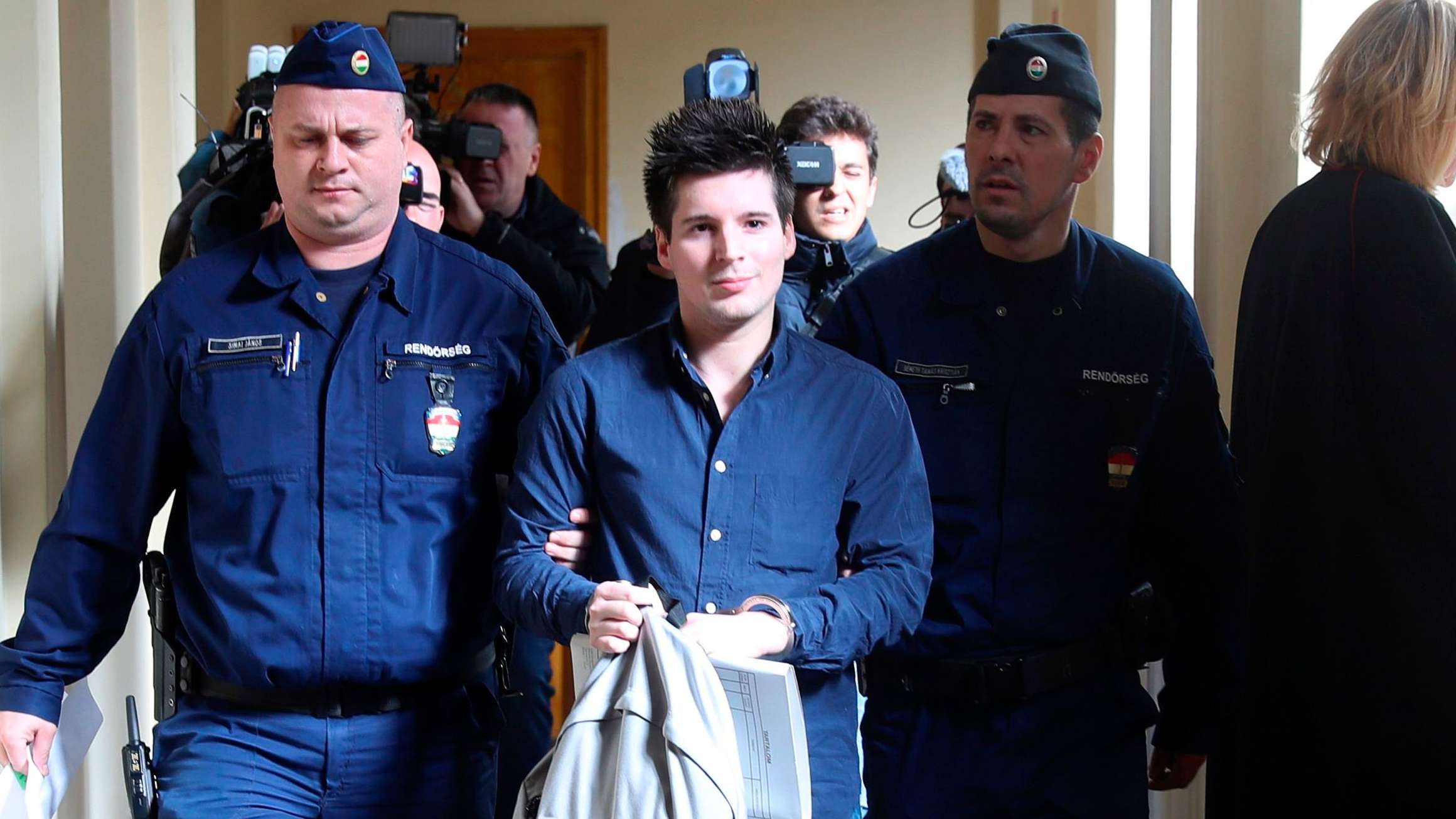
In a development that has sent ripples through the world of football and sports journalism, Portuguese authorities have reportedly rescinded the protected witness status previously granted to Rui Pinto, the controversial whistleblower behind the explosive Football Leaks investigations. This decision marks a significant shift in the legal and security landscape surrounding Pinto, who played a pivotal role in exposing financial misconduct, corruption, and unethical practices within some of Europe’s most prominent football clubs, including Manchester City.
Unveiling the Man Behind the Football Leaks
Rui Pinto, a 37-year-old Portuguese cybersecurity expert and activist, emerged from the shadows as a key figure in uncovering a trove of confidential documents that shed light on the complex and often opaque financial dealings of major football organizations. His work, which culminated in the Football Leaks revelations, has been hailed by some as a necessary act of transparency and whistleblowing, while others have viewed it as disruptive and legally questionable.
The Football Leaks saga exposed a myriad of issues—ranging from tax evasion and money laundering to questionable sponsorship deals and hidden ownership structures—among top-tier clubs across Europe. One of the most high-profile revelations involved Manchester City, where leaked documents suggested the club may have engaged in financial maneuvers that could contravene UEFA’s Financial Fair Play regulations.
The Shift in Legal Protections and Its Implications
Initially, Rui Pinto was granted protected witness status by Portuguese authorities, a measure designed to safeguard him from potential retaliation and to facilitate his cooperation with judicial authorities investigating football-related financial misconduct. However, recent reports indicate that this protective status has been revoked, leaving Pinto exposed to potential risks.
The decision has raised concerns among sports journalists, legal experts, and human rights advocates who argue that the withdrawal of such protections could jeopardize Pinto’s safety. The move has also sparked debate about the broader implications for whistleblowers in sports and the importance of safeguarding individuals who risk personal danger to promote transparency and accountability in football.
Security Advisory and Recommendations for Rui Pinto
Following the revocation of his protected status, Rui Pinto has been advised to exercise extreme caution, particularly concerning his personal safety and social media activity. Authorities have recommended that he limit public exposure and remain vigilant against potential threats or harassment. This guidance underscores the ongoing risks faced by whistleblowers who challenge powerful interests within the football industry.
Experts highlight that the legal and security challenges faced by Pinto are emblematic of a broader issue—how societies protect individuals who expose corruption and unethical conduct. The case emphasizes the need for robust protections, not only in Portugal but across jurisdictions where football’s governance is scrutinized.
The Broader Context: Football, Prediction, and Transparency
In the realm of football, where predictions about match outcomes often dominate headlines, the revelations from Football Leaks have added a layer of complexity to the sport’s integrity. Fans, analysts, and betting companies are increasingly aware that behind the scenes, financial manipulation and secret dealings can influence team performances and club stability.
The exposure of financial irregularities challenges the traditional prediction models that rely heavily on team form, player statistics, and tactical analysis. Instead, a growing emphasis is being placed on understanding the financial health and governance of clubs—factors that can significantly impact a team’s on-field success and future prospects.
Legal and Ethical Challenges in Football’s Financial Transparency
The case of Rui Pinto exemplifies the ongoing struggle between transparency and confidentiality within football. While whistleblowers like Pinto aim to shine a light on misconduct, they often face legal repercussions and personal risks. The revocation of his protected status underscores the delicate balance authorities must maintain between ensuring security and upholding the rule of law.
Moreover, the football industry itself is increasingly under pressure to enhance transparency. Regulatory bodies such as UEFA and FIFA have introduced measures to improve financial oversight, but critics argue that more comprehensive reforms are necessary to prevent corruption and promote fair play, both on and off the pitch.
The Future of Whistleblowing and Football Governance
The situation surrounding Rui Pinto raises pressing questions about the future of whistleblowing in football. How can authorities better protect individuals who risk everything to expose wrongdoing? What role should journalists and advocacy groups play in supporting such figures? And how can the sport’s governing bodies foster an environment where transparency is valued over secrecy?
As the football community continues to grapple with these issues, many believe that strengthening legal protections for whistleblowers is essential. This includes establishing clear protocols, anonymous reporting channels, and international cooperation to safeguard individuals like Pinto who seek to uphold integrity within the sport.
Conclusion: The Ongoing Battle for Transparency in Football
The decision to withdraw Rui Pinto’s protected witness status marks a pivotal moment in the ongoing quest for transparency and accountability in football. While the revelations from Football Leaks have already left a lasting impact on the sport’s perception, the risks faced by whistleblowers highlight the need for a more secure and supportive environment.
As fans, analysts, and stakeholders continue to engage with the sport’s evolving landscape—particularly in the context of predictions about team performances and future outcomes—the underlying financial and ethical issues remain critical. Ensuring the integrity of football requires not only accurate predictions on the pitch but also unwavering efforts to promote honesty and good governance behind the scenes.
Ultimately, the case of Rui Pinto underscores that transparency is vital for the sport’s future. Protecting those who dare to expose misconduct is essential for fostering a fair, honest, and competitive football environment—one where the beautiful game can truly thrive free from corruption and secrecy.