
Manchester City Face Major Setback as Antoine Semenyo Is Ruled Out for Up to Eight Weeks
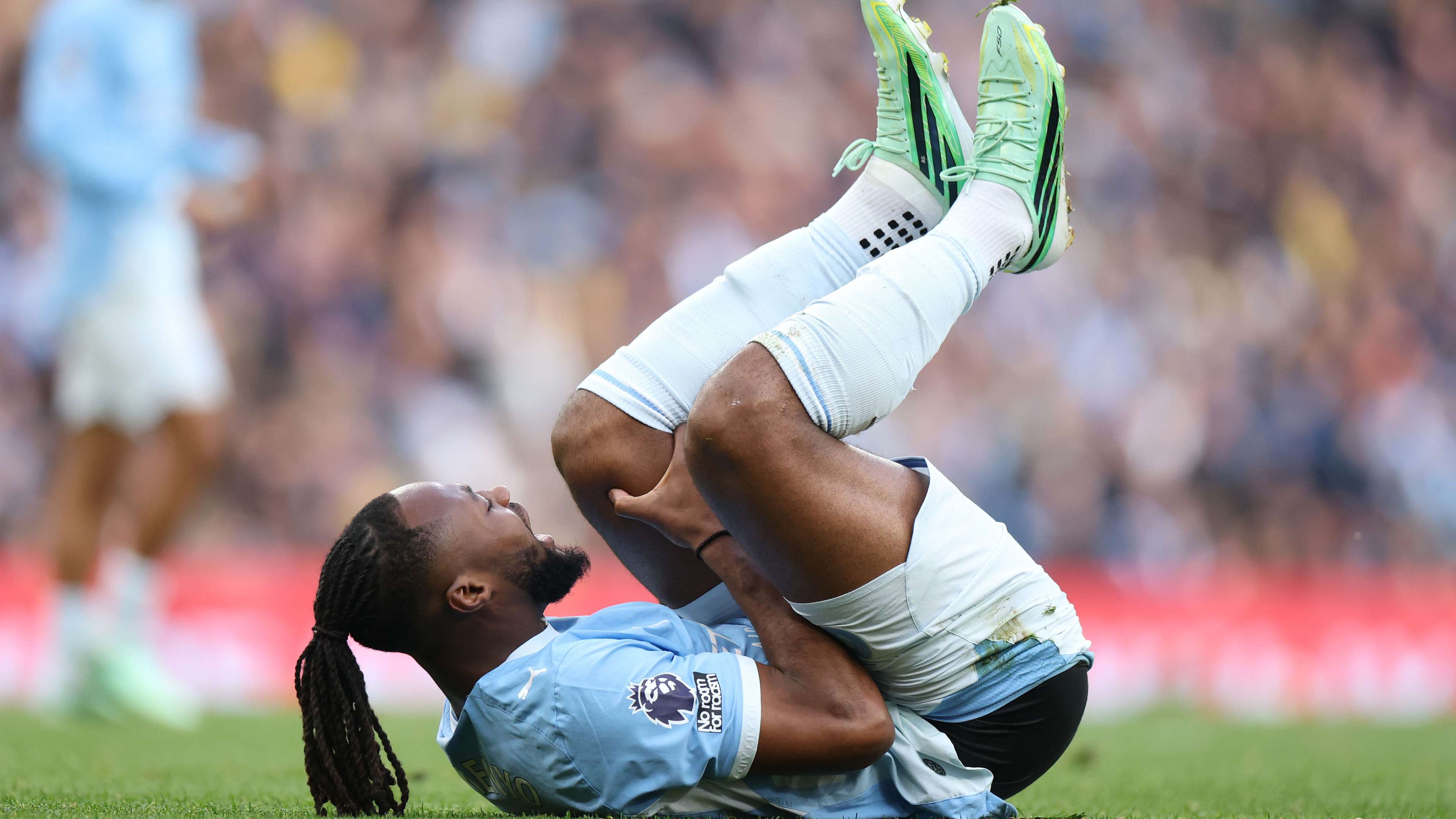
Manchester City have been handed a significant injury concern, with Ghana international winger Antoine Semenyo expected to spend up to eight weeks on the sidelines after suffering a knee problem. The forward was hurt during City’s recent Premier League victory over Ipswich Town, and his absence could disrupt the club’s plans during a demanding stretch of the season.
Semenyo’s injury is a blow not only because of his attacking qualities, but also because of the timing. A spell of around two months can cover a substantial number of league and cup fixtures, leaving City with less depth on the wings as they pursue their ambitions across multiple competitions. The club will be hoping the Ghanaian responds well to treatment and rehabilitation, though his precise return date will depend on how the knee progresses.
How Semenyo’s Injury Could Affect City’s Attack
Wingers are central to the way modern football teams stretch the pitch, create one-on-one opportunities and force defenders to make difficult decisions. Semenyo offers a direct approach, using pace and physical strength to carry the ball into dangerous areas. His ability to attack space can give City another route forward when opponents defend in a compact shape.
Without him, the coaching staff may need to adjust the balance of the front line. One option is to use an established wide forward in his place, preserving the team’s familiar formation. Another is to select a more flexible attacker who can move between the flank and central areas. Either approach could work, but the best solution will depend on the opponent, the available squad and the demands of each fixture.
City’s wide players are often asked to do more than provide crosses. They must press quickly after possession is lost, combine with overlapping full-backs and make timely runs into the penalty area. Replacing Semenyo therefore involves more than choosing a player with similar pace. The replacement must also understand the team’s positioning and contribute to its defensive work.
A test of squad depth during a busy period
An injury to an important attacker can expose how much a team depends on its first-choice options. City have experience managing congested schedules, but even a deep squad can be tested when injuries arrive alongside a run of high-stakes matches. Rotation becomes harder, and the remaining forwards may have to take on extra minutes across league, domestic cup and European fixtures.
That added workload can create a second challenge: maintaining freshness. A winger who plays repeatedly may still perform well, but fatigue can affect acceleration, pressing intensity and decision-making in the final third. City’s medical and coaching teams will need to balance the need for continuity with the risk of overusing players who are already carrying a heavy schedule.
What the injury means for Manchester City’s Premier League campaign
Every point matters in a title race, and the loss of an attacking option can influence the fine margins in close matches. City regularly face opponents who sit deep and aim to limit space between the lines. In those games, a fast, powerful winger can help break a defensive block by drawing multiple defenders or creating room for a teammate.
Semenyo’s absence may also affect City’s ability to change the rhythm of a match from the bench. Fresh wide players can be especially valuable late in games, when defenders are tiring and spaces begin to open. If the Ghanaian is unavailable for several weeks, City may have fewer options for injecting pace and direct running in the closing stages.
However, an injury does not automatically determine a team’s results. City have a range of attacking profiles and can alter their approach through movement, midfield support and full-back positioning. The challenge will be to preserve their threat without relying too heavily on a single replacement. Strong performances from the available forwards could help limit the impact of the setback.
Recovery timeline and return-to-play considerations
The reported estimate of up to eight weeks provides a broad guide rather than a guaranteed return date. Knee injuries can vary considerably in severity, and recovery depends on the exact diagnosis, the player’s response to rehabilitation and whether he can complete football-specific training without discomfort.
Typically, a player returning from a knee problem must progress through several stages. These may include reducing pain and swelling, restoring strength and mobility, rebuilding fitness, and gradually reintroducing sprinting, sharp turns and contact work. Full training is an important milestone, but it does not necessarily mean a player is ready to start a competitive match immediately.
City are likely to take a cautious approach rather than rush Semenyo back for a particular fixture. A premature return could increase the risk of aggravating the problem and extending his absence. For supporters following the situation, updates on his training involvement will be more informative than speculation about a fixed comeback date.
What to watch as City adapt
The immediate question is who will fill the vacant role and how the team’s attacking patterns may change. Supporters can look for adjustments in the starting lineup, the use of substitutes and the amount of width City create through their full-backs. The club may also ask central attackers to drift wide more often, allowing midfielders to make runs into the spaces they leave behind.
There may be an opportunity for another squad member to step forward. Injuries can disrupt plans, but they can also give less-used players a chance to establish themselves. A productive run of performances from a replacement would provide City with greater flexibility even after Semenyo returns.
For now, the main priority is ensuring the winger recovers fully. His pace, strength and willingness to drive at defenders make him a useful option, and a healthy return would strengthen City’s attacking depth for the closing stages of the campaign. Until then, the club must find a reliable way to cover his absence while keeping its football consistent across a crucial run of fixtures.
Manchester City injury prediction: what comes next?
Any prediction about the exact effect of Semenyo’s injury remains uncertain, particularly while his rehabilitation timeline is still developing. The most realistic expectation is that City will rotate their attacking options and adapt their system rather than attempt to reproduce his contribution through one player alone. Their results during the coming weeks may depend on how effectively the squad shares the workload and creates chances from different areas.
If the recovery stays within the estimated window, Semenyo could return with time to influence the latter part of the season. But City will have to manage the immediate challenge without him, and the winger’s progress will be closely watched by supporters in Ghana and across the Premier League. His absence is a notable setback; how City respond will offer an important measure of their depth, adaptability and title ambitions.