
Lothar Matthäus Criticizes Atlético Madrid Ahead of Bayern Munich Clash
German football great Lothar Matthäus has reignited debate over Atlético Madrid’s physical approach, describing the Spanish club as “dirty and nasty” while reflecting on his past encounters with Diego Simeone. The comments came ahead of a highly anticipated meeting between Atlético and Bayern Munich, adding extra edge to a fixture already rich in European history.
Speaking to German broadcaster NTV Sport, the former Bayern and Inter Milan midfielder recalled facing Simeone when the Argentine was playing for Pisa in Italy. Matthäus portrayed those matchups as intensely physical, saying Simeone relied on forceful challenges and was difficult to play against.
“He kept kicking,” Matthäus recalled, adding that he felt compelled to wear extra shin guards because of the midfielder’s tackles. His remarks offer a personal perspective on Simeone’s competitive temperament, formed long before he became one of Europe’s most recognizable coaches.
Matthäus Remembers His Battles With Simeone
The pair crossed paths twice in Italian football during the 1990–91 season. In October 1990, Inter Milan defeated Pisa 6–3 in a high-scoring contest. Their second meeting, played in March 1991 at the Arena Garibaldi, was much tighter: Inter claimed a 1–0 victory thanks to a goal from Nicola Berti.
Matthäus said Simeone was assigned to mark him in one of those matches. According to the German, the Argentine’s willingness to compete physically was not limited to opponents. He also recalled an incident involving Simeone and Diego Maradona, his compatriot and Argentina’s national-team captain at the time.
“He kicked Maradona, the Argentine!” Matthäus said. “He kicked his captain in the national team. Can you imagine? He was very angry.” The anecdote underlines how Matthäus remembers Simeone: as a fierce competitor whose intensity could surface even among teammates.
‘Violent’ or ‘Tough’? The Debate Over Atlético’s Style
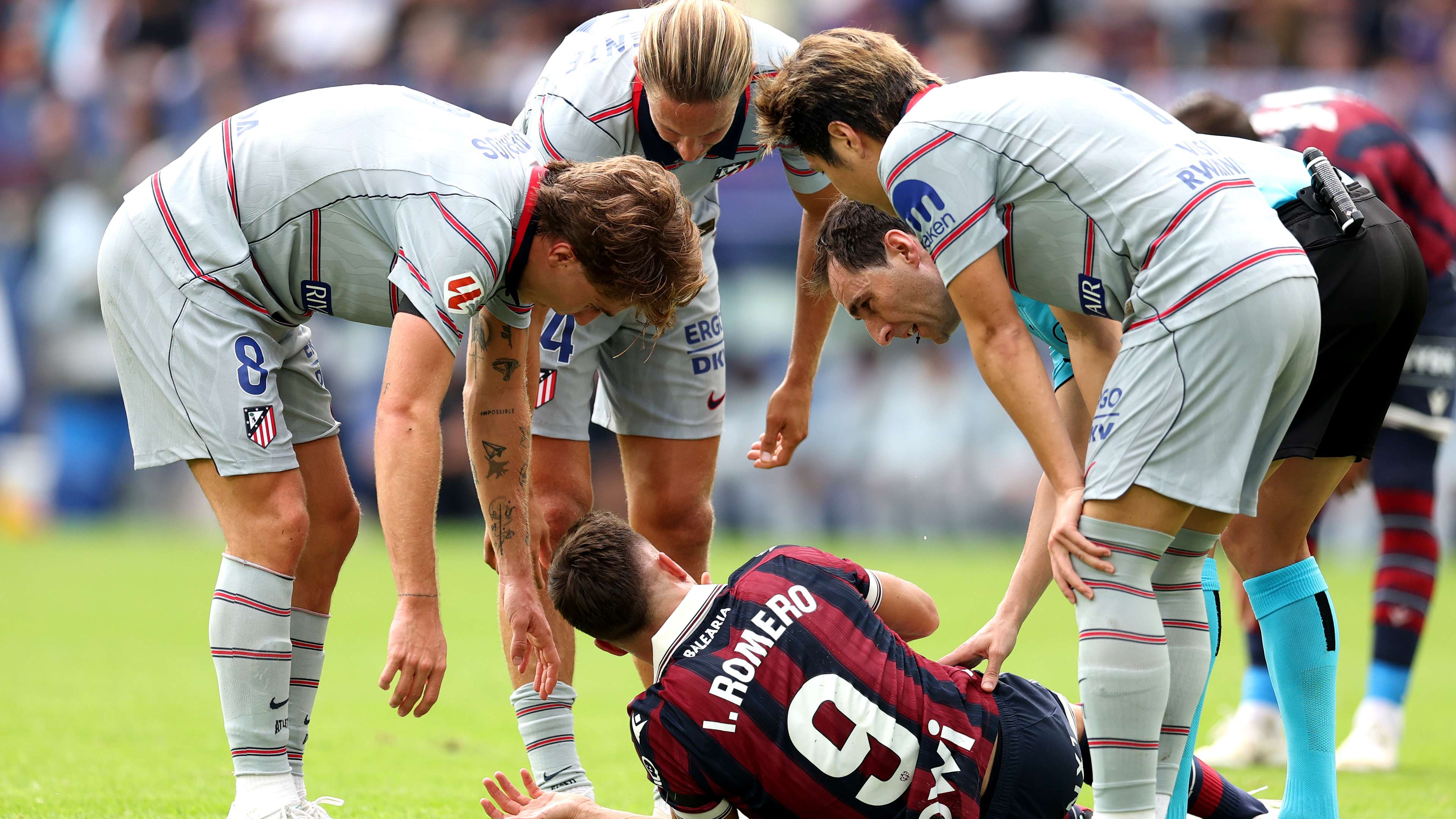
The strongest criticism came when Matthäus was asked about Thomas Müller’s previous description of Atlético as one of the most violent teams in European football. Rather than soften the assessment, the German responded that “violent” was a polite choice of words.
“If he had said tough men, it would have been different,” Matthäus said, before calling Atlético “a dirty and nasty team.” The blunt language is likely to attract attention in the build-up to the Bayern–Atlético encounter, although it reflects Matthäus’s opinion rather than an official description of the Spanish side.
Atlético’s identity under Simeone has long been associated with discipline, defensive organisation and a willingness to contest every challenge. Supporters often view those qualities as signs of resilience and commitment. Critics, meanwhile, argue that the team can push the limits of physical play. That contrast is part of what makes Atlético such a compelling opponent—and why discussion of their style frequently intensifies before major European matches.
Why the Bayern–Atlético Matchup Matters
When Bayern and Atlético meet, the contest is often framed as more than a test of technical quality. Bayern traditionally look to control possession, move the ball quickly and create chances through sustained attacking pressure. Atlético are known for compact defending, tactical discipline and the ability to disrupt an opponent’s rhythm. The clash of approaches can make small details, such as second balls, set pieces and discipline, especially important.
That tactical contrast also gives Matthäus’s comments added relevance. If Bayern are to impose their game, they will need to remain composed when Atlético apply pressure and avoid being drawn into unnecessary confrontations. Atlético, in turn, will look to make the match uncomfortable, limit space and take advantage of opportunities on the counterattack.
For fans considering a football prediction, the matchup offers several factors to weigh rather than a simple choice between attacking and defensive teams. Bayern’s ability to create chances and Atlético’s experience in tightly contested games could shape the outcome. Recent form, team selection, injuries and the venue will also be crucial. Matthäus’s remarks may add drama to the build-up, but they do not determine what happens on the pitch.
More Than a War of Words
Matthäus’s recollections connect the upcoming fixture to an earlier era of European football, when he and Simeone faced each other as players in Italy. Their meetings were limited to two matches, but the German’s memories suggest that Simeone’s combative reputation was established well before his coaching career at Atlético Madrid.
His comments also highlight the fine line between physicality and excessive aggression in elite football. One supporter may see a hard tackle as evidence of commitment; another may view the same challenge as unnecessary or unsporting. The referee’s interpretation, the match’s tempo and the players’ responses can all influence how that line is judged.
As Bayern Munich prepare to face Atlético Madrid, the attention will ultimately shift from old memories and strong language to the football itself. Matthäus has supplied a provocative talking point, but the most meaningful verdict will come through the teams’ performances: Bayern’s creativity against Atlético’s organisation, and whether either side can turn its preferred style into a decisive advantage.