
Liverpool on the Hunt for Mohamed Salah’s Successor
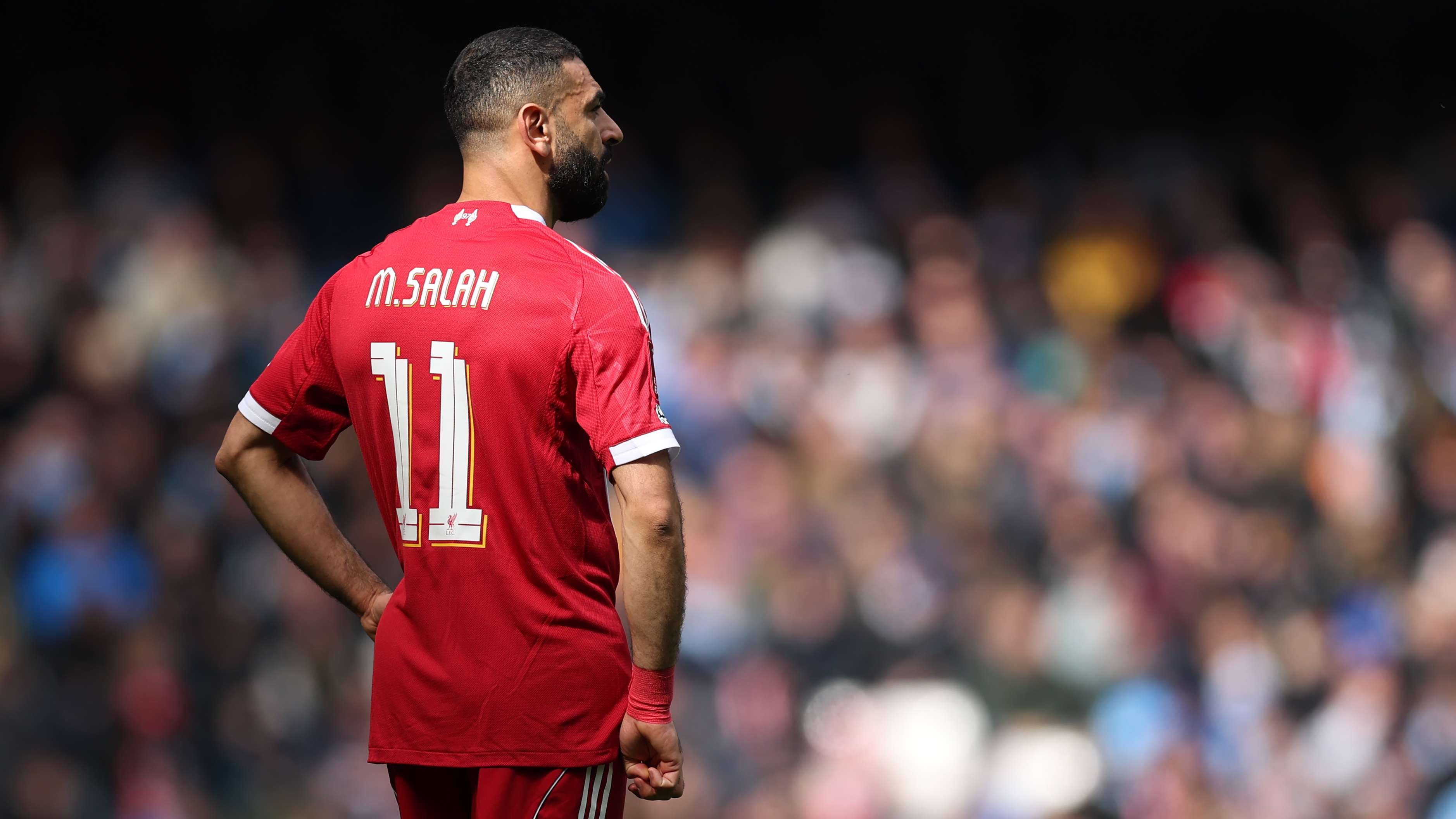
As Mohamed Salah’s potential departure from Liverpool looms at the end of the season, the Reds are already strategizing for a smooth transition by setting their sights on young talent to fill the void left by the Egyptian star. Salah, a club legend, has been a key player for Liverpool, but his exit presents an opportunity for the club to inject fresh blood into the team, particularly on the wings.
Scouting for Talent
Liverpool’s search for a successor to Salah has led them to focus on young, promising players who can bring pace and potency to the flanks. According to reports from German newspaper Bild, one standout candidate on the Reds’ radar is Ivorian winger Bazoumana Touré, who currently plays for Hoffenheim.
The 20-year-old left-footer has caught the attention of Liverpool scouts, with his performances drawing praise. Touré’s recent display in Ivory Coast’s 1-0 victory over Scotland at Goodison Park has only bolstered his reputation as a player with immense potential.
Transfer Speculations
Reports suggest that Liverpool could secure Touré’s services for a fee of around €40 million, a figure deemed reasonable in the current market. However, negotiations could prove to be complex, as the Ivorian’s contract with Hoffenheim runs until 2029 and does not include a release clause. This means that any potential move would require direct discussions with the German club.
Despite the challenges, Liverpool sees Touré as a vital addition to their roster as they look to build a new, youthful generation of players. Alongside talents like Florian Wirtz, Touré is expected to bring the technical and creative spark needed to propel the team forward.
The Future of Liverpool’s Attack
With Salah’s departure on the horizon, Liverpool is faced with the task of reshaping their attacking lineup. The Egyptian forward’s contributions have been immense, but the club is now focused on creating a new identity that blends experience with youth.
By targeting players like Touré, Liverpool is signaling their intent to continue competing at the highest level and remaining a force to be reckoned with in English and European football. The club’s proactive approach to succession planning demonstrates their commitment to sustained success and evolution.
In the coming months, all eyes will be on Liverpool as they navigate the intricacies of the transfer market in their quest to secure the next generation of talent. Fans will eagerly await news of potential signings and the unveiling of fresh faces that could shape the Reds’ future for years to come.
The Importance of Succession Planning in Football Clubs
Succession planning is a crucial aspect of managing a football club, especially when key players like Mohamed Salah are nearing the end of their tenure. Liverpool’s proactive approach to identifying and securing a successor for Salah reflects the club’s commitment to long-term sustainability and competitiveness. By focusing on young talent like Bazoumana Touré, Liverpool is not only preparing for the immediate future but also laying the foundation for continued success in the years to come.
Effective succession planning ensures that the transition from one generation of players to the next is seamless, minimizing disruptions and maintaining the team’s performance at the highest level. It allows clubs to adapt to changing circumstances, such as player departures, injuries, or declines in form, by having suitable replacements ready to step in and make an impact.
The Role of Data and Analytics in Player Recruitment
In today’s football landscape, data and analytics play a significant role in identifying and evaluating potential transfer targets. Clubs like Liverpool rely on advanced scouting techniques to assess players’ performance metrics, playing style, injury history, and potential for growth. By leveraging data-driven insights, clubs can make more informed decisions when recruiting new talent, ensuring that they fit seamlessly into the team’s tactical system and culture.
When scouting for Mohamed Salah’s successor, Liverpool would likely have analyzed a wide range of data points to assess Bazoumana Touré’s suitability for the role. These could include statistics on his goals and assists, dribbling success rate, defensive contributions, and physical attributes. By combining traditional scouting methods with data analysis, clubs can identify hidden gems and secure valuable assets for the future.
Building a Cohesive Team Culture
While individual talent is essential, building a successful football team also requires a cohesive team culture where players work together towards a common goal. Liverpool’s emphasis on youth and potential in their recruitment strategy indicates a desire to create a harmonious and dynamic squad that can grow and evolve together over time.
By bringing in young talents like Bazoumana Touré, Liverpool is not only looking to replace Mohamed Salah’s on-field contributions but also to foster a sense of camaraderie and shared purpose within the team. Developing a strong team culture can lead to better communication, understanding, and chemistry on the pitch, ultimately translating into improved performance and results.
The Legacy of Mohamed Salah
As Liverpool prepares for life after Mohamed Salah, it is essential to acknowledge the significant impact the Egyptian forward has had on the club. Salah’s goals, assists, and moments of brilliance have endeared him to the Anfield faithful and cemented his status as a club legend. His departure will undoubtedly leave a void, but it also presents an opportunity for new stars to emerge and carry the torch forward.
While finding a direct successor to Salah may be a daunting task, Liverpool’s commitment to identifying young talents like Bazoumana Touré demonstrates their ambition to continue competing at the highest level and building a bright future for the club. As the Reds navigate the complexities of the transfer market, fans can look forward to witnessing the next chapter in Liverpool’s storied history unfold.