
Lautaro Martínez Targets Inter Return Against Atalanta After Injury Lay-Off
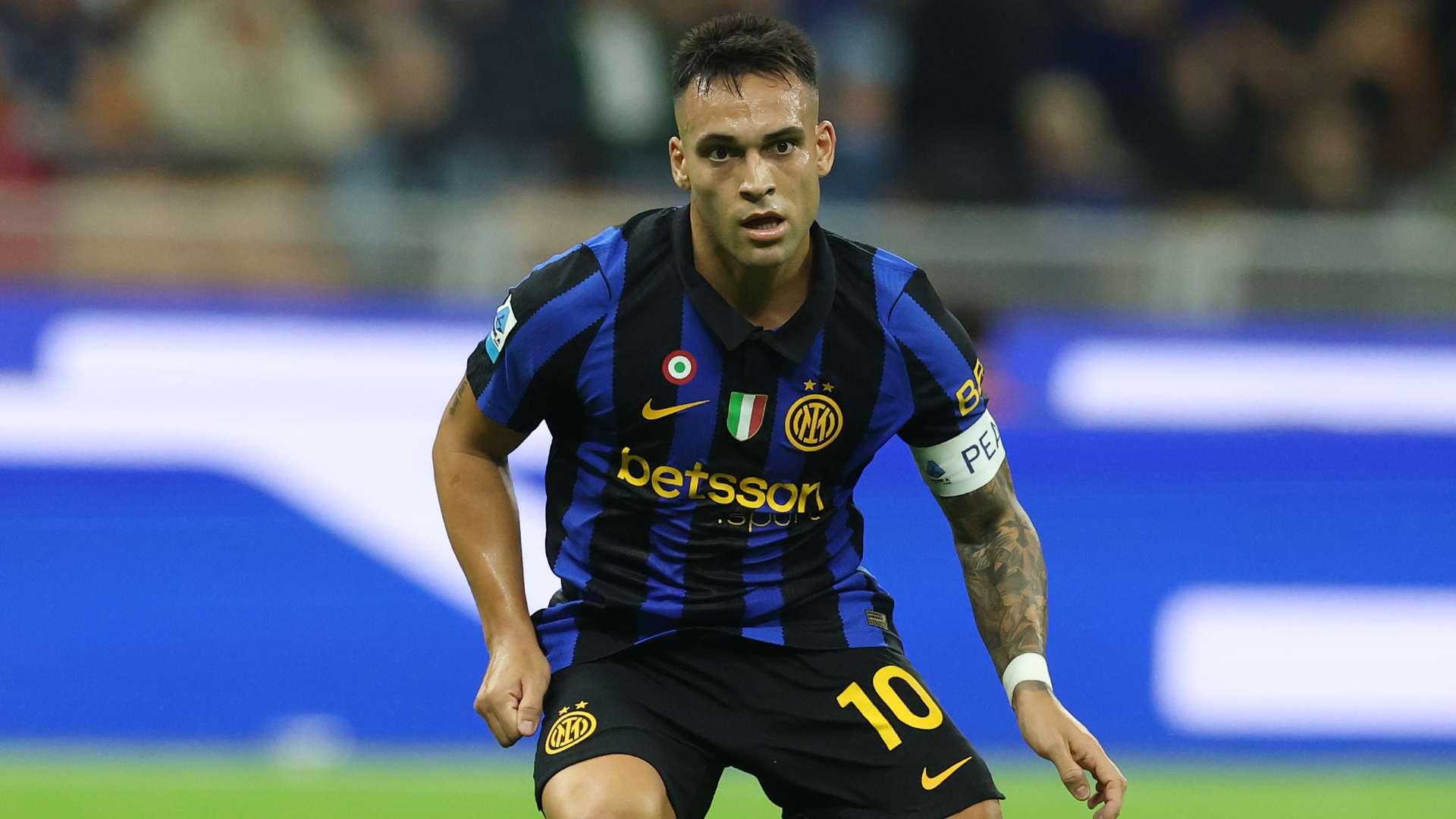
Inter Milan captain Lautaro Martínez is determined to return to action as quickly as possible, with the Serie A meeting against Atalanta on 22 November emerging as a potential target. The Argentine forward is continuing an individual recovery programme as he works to regain fitness and rejoin a team facing one of the busiest stretches of its season.
Martínez’s possible comeback would be a significant boost for Inter. The club is balancing ambitions across several competitions, and its captain is eager to contribute as the campaign enters a demanding phase. While the Atalanta fixture is on his radar, his availability will ultimately depend on his recovery and the medical staff’s assessment of his condition.
Inter Face a Packed Schedule Before Christmas
Inter are preparing for a run of nine matches in roughly a month, beginning with their return against Atalanta and continuing through to Christmas. The sequence includes five Serie A games, two Champions League fixtures, the club’s opening Coppa Italia match and a Supercoppa Italiana meeting with Lazio.
That schedule places considerable demands on the squad, with little room for recovery between competitions. Inter are pursuing several important objectives: climbing back towards the top of Serie A, securing direct qualification for the Champions League last 16, advancing to the Coppa Italia quarter-finals and competing for the season’s first trophy in the Supercoppa.
In that context, Martínez’s return would offer more than a familiar name in the lineup. As Inter’s captain and leading striker, he brings experience, pressing intensity and a strong understanding of the team’s attacking patterns. His presence can help connect the frontline, create space for teammates and give the side another reliable option in high-pressure matches.
Martínez Continues Training During Squad Break
According to La Gazzetta dello Sport, Martínez did not use the days off granted by coach Cristian Chivu after Inter’s match against Como as an opportunity to stop working. Instead, he reported to the training ground on Monday and Tuesday to continue his personalised rehabilitation programme.
Luis Henrique, who is also managing an injury, joined him at the club’s facilities. Their work is part of the careful process required to return from injury: rebuilding fitness, progressing through appropriate exercises and avoiding a premature comeback that could lead to another setback.
Martínez’s decision to keep training reflects his urgency to get back on the pitch, but it should not be mistaken for confirmation that he is ready to play. Individual recovery sessions can be an important sign of progress, yet a player’s return usually depends on how he responds to increasing physical demands, including running, ball work and full team training.
A Captain Eager to Lead from the Front
The forward’s commitment recalls his determination during a previous spell on the sidelines last season, when he was working through a calf problem. On that occasion, Martínez was similarly focused on returning to help Inter. His current approach again highlights the importance he places on being available for the team, particularly when the fixture list becomes congested.
For Inter, that leadership is valuable both on and off the field. A captain’s influence is not limited to goals or assists; it can also be seen in the standards he sets during training and in his connection with teammates. Martínez’s continued presence at the training ground sends a message of focus at a time when the squad must manage fatigue, injuries and competing tactical demands.
Why His Return Could Matter to Inter’s Season
Inter have options across the attack, but Martínez offers a distinctive combination of movement, physical commitment and finishing ability. He can lead the line, press opposition defenders and help turn possession into chances. Against strong opponents such as Atalanta, those qualities could be especially important, as the match is likely to demand intensity and efficiency in both penalty areas.
His return would also give Chivu more flexibility when planning for the run of domestic and European fixtures. A fit Martínez could allow Inter to manage minutes across the forward line, rotate players more effectively and adapt their approach depending on the opponent. With nine matches scheduled in a short period, squad depth and careful workload management may prove decisive.
However, the club will need to balance the striker’s ambition with caution. Returning too soon can risk aggravating an injury, while a gradual reintegration may help him build towards sustained availability. Inter’s medical and coaching staff will therefore have a central role in deciding whether the Atalanta game is a realistic option or whether a later fixture offers a safer opportunity.
Inter Return Prediction: Atalanta Is the Target, Not a Guarantee
The current outlook is best described as hopeful rather than certain. Martínez has identified the 22 November match as a possible return date and is continuing to work towards it, but the final decision will depend on his progress in the coming days. Supporters will be watching for signs that he has resumed group training and can handle the intensity required for competitive football.
If he is cleared to play, Inter would regain their captain at a crucial point in the season. If his recovery takes longer, the club’s packed calendar means there will be further opportunities for him to make an impact before Christmas. For now, the key development is his consistent work at the training ground—and his clear determination to return when he is ready.