
Lautaro Martínez Opens Up on Family, Inter Leadership and Argentina’s World Cup Heartbreak
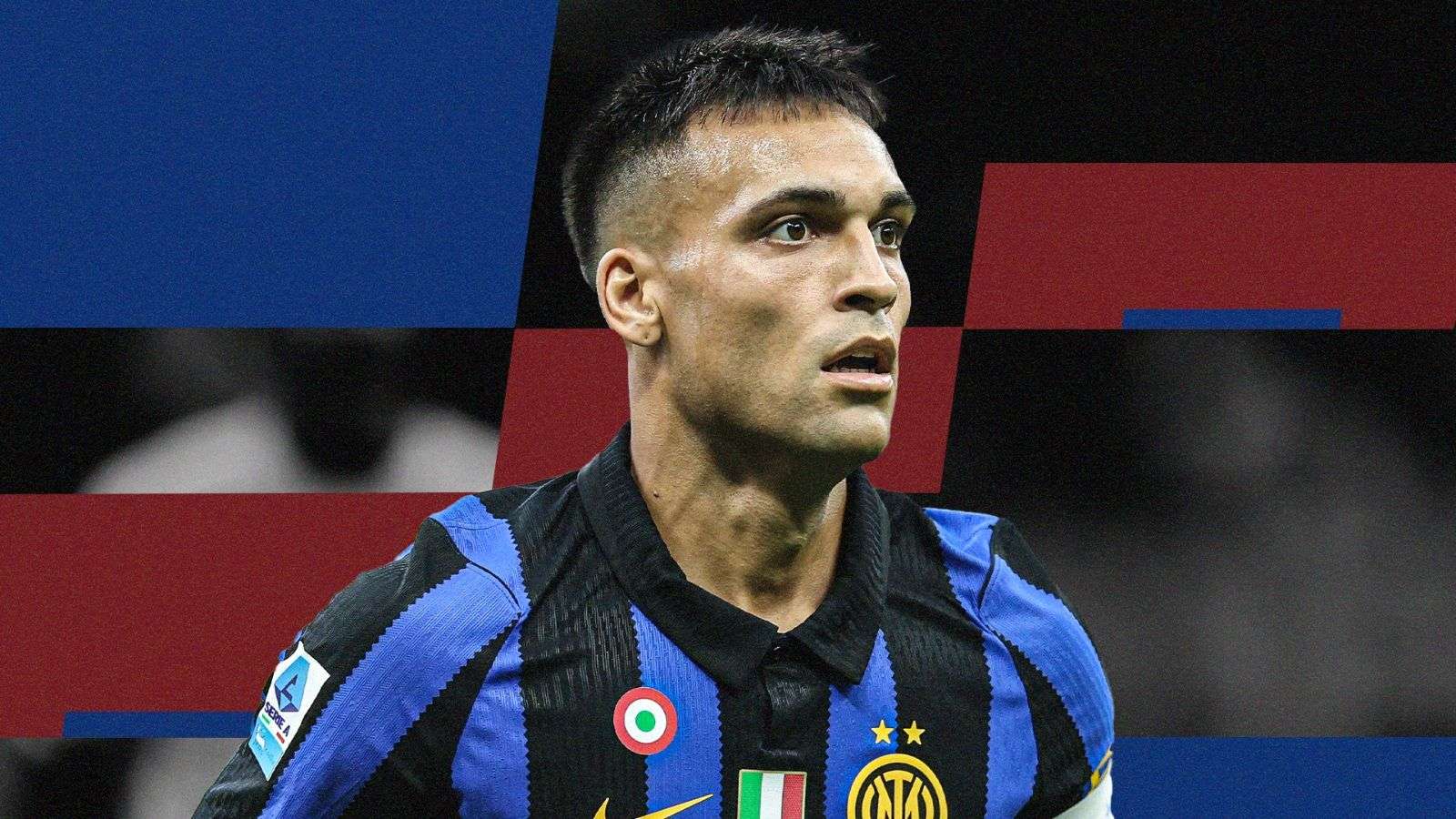
Inter captain Lautaro Martínez has spoken candidly about the experiences that shaped his football career, from growing up around dressing rooms in Argentina to carrying the responsibility of leading one of Italy’s biggest clubs. In a wide-ranging interview in his home country, the striker reflected on family, ambition, his connection with Inter and the emotional pain of Argentina’s World Cup campaign in Qatar.
Martínez is currently recovering from a thigh injury and is expected to remain unavailable until after the November international break. While the setback has temporarily interrupted his season, the interview offered a broader look at the person behind the goals: a player whose relationship with football began long before he became a professional, and whose family remains central to his story.
Football Was Part of His Childhood
For Martínez, football was not simply a game he discovered as a child. It was part of the environment in which he grew up. His father played the sport and captained the teams he represented, giving his sons an early view of the commitment and culture that surround the game.
“I always say I was born in a dressing room because my father was a footballer,” Martínez explained. He recalled going to training with his brother when they were only three or four years old. The brothers are separated by just ten months, and their early memories included watching practices, tactical discussions and the motivational talks delivered before matches.
Those experiences offered more than a glimpse of football’s public side. They showed the young boys the preparation, discipline and team spirit required away from the spotlight. Martínez’s father passed his love of the game on to his children, helping create a foundation that would eventually lead Lautaro from local football in Argentina to the highest level in Europe.
The influence of family and sacrifice
Martínez’s reflections also underline the sacrifices often made by families supporting a young athlete’s ambitions. A professional career can appear glamorous from the outside, but its foundations are usually built through years of travel, training, setbacks and encouragement from people who remain largely out of view.
For the Inter striker, those early years shaped his understanding of what it means to represent a team. Watching his father lead from the front helped him appreciate that a captain’s role involves more than wearing an armband. It means setting standards, supporting teammates and accepting responsibility when results or performances fall short.
What It Means to Captain Inter
Martínez’s position as Inter captain reflects the importance he has earned within the squad. Since arriving in Milan, he has developed into a central figure in the club’s attack and a leader whose influence extends beyond scoring. His energy, pressing and willingness to compete for every ball have made him a visible example of the intensity Inter expect from their players.
Being captain also brings a different kind of pressure. A striker is judged by goals and assists, but a leader must remain composed through difficult spells, help maintain belief and encourage others when the team is under strain. Martínez’s upbringing around football captains may have helped prepare him for that responsibility, even if leadership at elite level brings challenges of its own.
His bond with Inter has grown through seasons of demanding domestic and European competition. The club’s supporters value his commitment as much as his attacking output, and his role has become closely tied to Inter’s ambitions. As the team pursues success, Martínez’s fitness and form are likely to remain important factors in its campaign.
Thigh Injury Interrupts His Season
The interview comes during a period of recovery for the Argentine forward. A thigh injury has ruled him out temporarily, with his return expected after the November break. For a player whose game depends on sharp movement, acceleration and repeated high-intensity runs, a careful rehabilitation process is essential.
Inter will want Martínez back as soon as possible, but rushing a return could risk aggravating the problem. The club’s medical staff will need to balance the team’s immediate needs with the longer-term value of having its captain fully fit. In the meantime, the injury provides an opportunity for other attackers to take on added responsibility.
Supporters will naturally be watching for updates, but the most useful indicator will be how Martínez responds to training as he progresses through recovery. A gradual return to full work can help restore match sharpness and reduce the chance of another setback. His availability after the international break could become a significant point in Inter’s season, depending on the team’s schedule and results.
The Pain of Qatar and the Weight of Expectations
Martínez also spoke about the suffering he experienced in Qatar, a reference to the emotional strain surrounding Argentina’s World Cup journey. For players, the tournament brings extraordinary pressure: every performance is magnified, expectations are intense and the hopes of an entire country can feel concentrated on a small group of athletes.
Argentina’s campaign ultimately ended in triumph, but the road to that achievement included difficult moments and heavy scrutiny. Martínez’s comments point to the less visible side of international football: the anxiety, disappointment and personal doubts that can accompany a major tournament, even for players competing at the highest level.
That emotional experience can leave a lasting mark. A World Cup is not only a test of technique and tactics; it is also a test of resilience. Players must manage pressure, recover quickly from setbacks and continue performing while millions of people follow every decision. Martínez’s account gives supporters a more personal perspective on what such a tournament can demand.
Prediction: Martínez’s Return Could Lift Inter
Looking ahead, Martínez’s recovery will be one of the key storylines for Inter fans. If he returns after the November break without complications, his presence could restore a familiar focal point to the attack. His movement can create space for teammates, while his pressing helps Inter begin defensive work high up the pitch.
Any football prediction about Inter’s prospects must account for the captain’s fitness, although the club’s overall depth and the performances of the players covering for him will also matter. A successful return would give the team a boost during a demanding stretch of fixtures, but patience remains important. The priority is not simply getting Martínez back on the field; it is ensuring he can contribute consistently.
His interview offers a reminder that the Inter captain’s story is rooted in family, early exposure to the game and the values he learned long before professional football. From watching his father lead teams to carrying the armband himself, Martínez has travelled a path shaped by responsibility and perseverance. As he works toward a return, those qualities may prove just as important as his finishing ability.