
Andy Burnham Faces Wider Review of Manchester City Meetings Amid Transparency Row
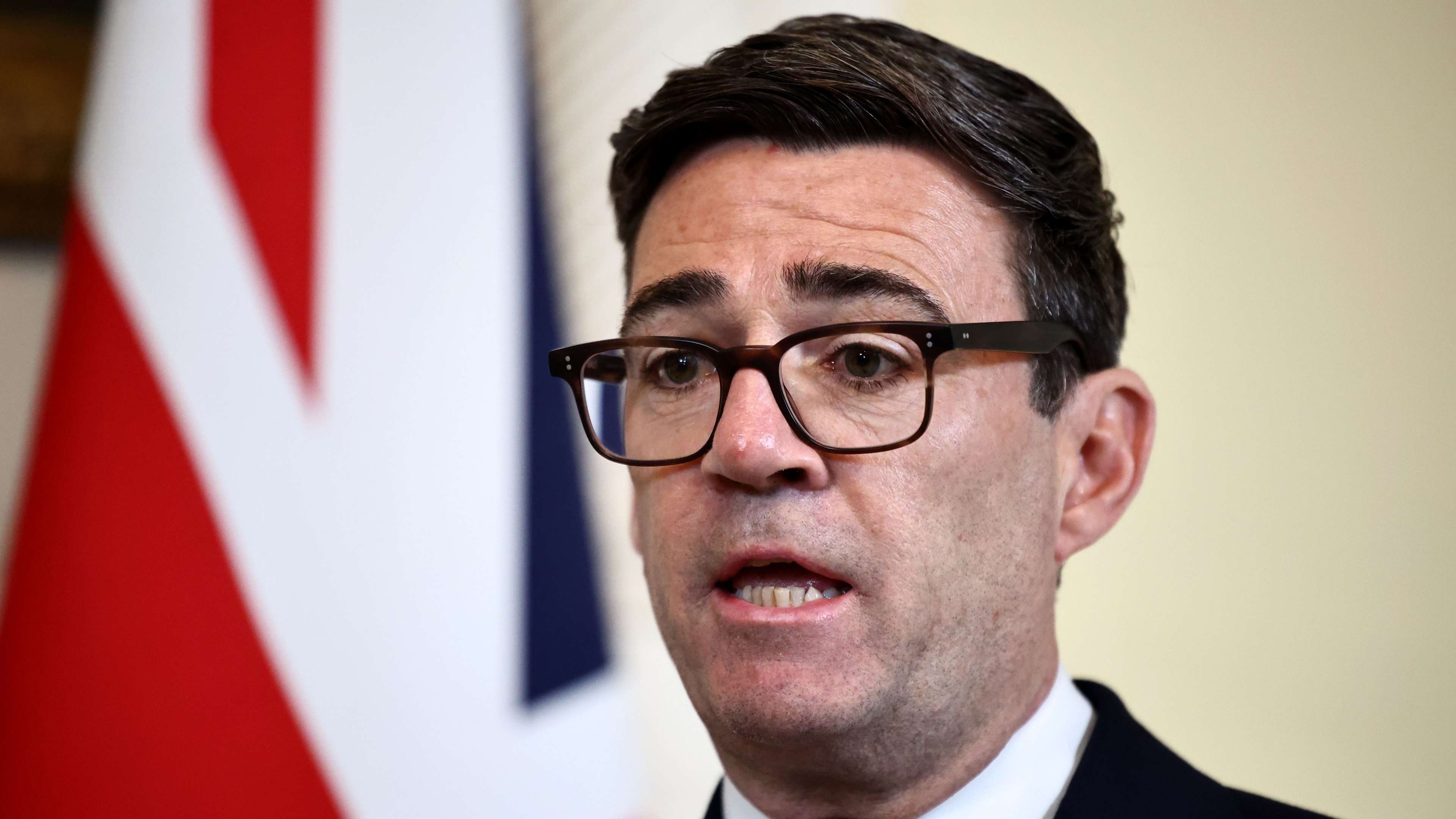
A growing political controversy over Andy Burnham’s contacts with Manchester City has prompted a broader review of his past meetings with club officials and representatives of its Abu Dhabi-based ownership. The dispute has widened beyond football, raising questions about public record-keeping, political accountability and the relationship between elected officials and powerful sporting organisations.
The review follows reporting by The Sun and comes amid intense scrutiny of Manchester City, which has faced allegations of breaching Premier League regulations. The club has strongly contested the charges, and the legal process surrounding them is separate from the questions now being asked about Burnham’s meetings.
At the Prime Minister’s direction, the Greater Manchester Combined Authority (GMCA) has been asked to conduct a comprehensive manual review of records relating to Burnham’s contacts with Manchester City and its owners. The instruction followed the emergence of details about several meetings that were not included in publicly available records.
Earlier account challenged by newly reported dinners
At the start of the week, Burnham and his team maintained that he had held one significant meeting with Manchester City officials, in 2021. That description came under pressure after The Sun reported that Burnham, while serving as Mayor of Greater Manchester, had also attended dinners with club chairman Khaldoon Al Mubarak in 2017 and 2018.
The reported dinners did not appear in the public records examined by the newspaper. Their absence has become a central issue in the dispute, particularly because the Prime Minister had promised Parliament that information about Burnham’s dealings with the club would be made available.
In a statement, the Prime Minister said he had requested a more thorough review to ensure that as much information as possible could be released. He stressed that the process must deliver “full transparency,” making clear that the search should extend beyond a limited check of existing documents.
The GMCA issued a brief statement on Monday after receiving the instruction, but it did not address the reported dinners with Al Mubarak. That omission intensified criticism from political opponents, who argue that the public needs a complete account rather than a partial chronology.
Opposition calls for an apology to Parliament
Shadow minister Louie French said the Prime Minister had pledged to publish details of Burnham’s Manchester City dealings by Monday afternoon. He argued that the deadline had not been met and said the Prime Minister should return to the House of Commons to apologise.
The criticism reflects a broader concern about how public bodies record meetings involving senior politicians and private organisations. A complete review could clarify whether the missing entries resulted from administrative gaps, decisions about what qualified as an official engagement, or another explanation. Until the records are checked and published, however, uncertainty is likely to remain.
Burnham’s relationship with the club has also attracted attention after he expressed concern about the possibility of Manchester City’s Emirati owners leaving. His comments were made against the backdrop of the Premier League’s allegations against the club, creating a politically sensitive setting in which any past contact may receive greater scrutiny.
What the reported meeting timeline shows
According to the newspaper’s reporting, the two dinners were not the only occasions on which Burnham met people connected with Manchester City or City Football Group. At least five other encounters have been identified, including official events, sporting occasions and meetings linked to investment and regional business ties.
One newly reported engagement took place in Shenzhen, China, in September 2018. Burnham’s attendance at an event marking the opening of a City Football Group office had already been known. However, documents released under freedom of information laws also listed a two-hour lunch and a technical round-table meeting involving business leaders.
The documents described Burnham’s schedule during a four-day trip and included an entry for a lunch connected with the opening of the City Football Group office, followed by a chief executives’ technical round-table meeting. The summit was held on 20 September 2018, between 11:30 a.m. and 1:30 p.m., at the One Shenzhen Bay building. The records were marked “Classified: internal, personal and confidential.”
The Manchester China Forum, an organisation focused on strengthening links between Manchester and China, covered a bill of £4,796 for flights, accommodation and related expenses. The trip illustrates how football clubs and their parent groups can feature in wider international business and city-promotion initiatives, where sport, investment and public diplomacy often overlap.
Further contacts at football and arena events
In September 2019, Burnham was photographed alongside Al Mubarak at the Etihad Stadium, watching a testimonial match for former Manchester City captain Vincent Kompany. In October 2021, Burnham met the chairman during the government’s Global Investment Summit. Burnham has described that encounter as his only significant meeting with the club’s leadership.
Other reported contacts took place in Manchester. In July 2023, Burnham met City Football Group chief executive Ferran Soriano at an event marking completion of the roof at Co-op Live. The arena is partly owned by Sheikh Mansour, Manchester City’s owner. In June 2025, Burnham met Roel de Vries, the club’s former chief operating officer, at the venue during an event associated with the Brit Awards.
These occasions differ in purpose and setting: some were connected to football, others to business, construction, entertainment or international relations. That distinction may matter when the review assesses which meetings should have been formally recorded. Still, the central public-interest question is whether the available records provide a reliable and complete picture.
Why the review matters beyond football
The controversy is not simply about how often a politician met a football club’s executives. It concerns the standards applied to disclosure, the accuracy of official diaries and the public’s ability to understand interactions between government, local authorities and major commercial organisations.
Manchester City is one of the most prominent clubs in world football, while City Football Group operates across multiple markets. Relationships with such organisations can support tourism, investment and international profile-building. At the same time, those connections make clear documentation especially important when political decisions, public funds or regulatory issues are part of the wider context.
The outcome of the manual review could determine whether further meetings emerge and whether existing records require correction. For now, no conclusion about wrongdoing follows simply from the reported contacts or missing diary entries. The facts still need to be established, and the club’s regulatory case remains distinct from the transparency dispute.
In the coming days, public attention is likely to focus on the review’s scope, the material it releases and whether it accounts for every reported encounter. Any prediction about the political impact remains uncertain, but a clear and comprehensive timeline would help answer the immediate questions. Without one, the debate over Burnham’s Manchester City meetings is likely to continue well beyond the football headlines.