
Lakshya Sen reaches Hylo Open 2026 final after straight-games win over Toma Junior Popov
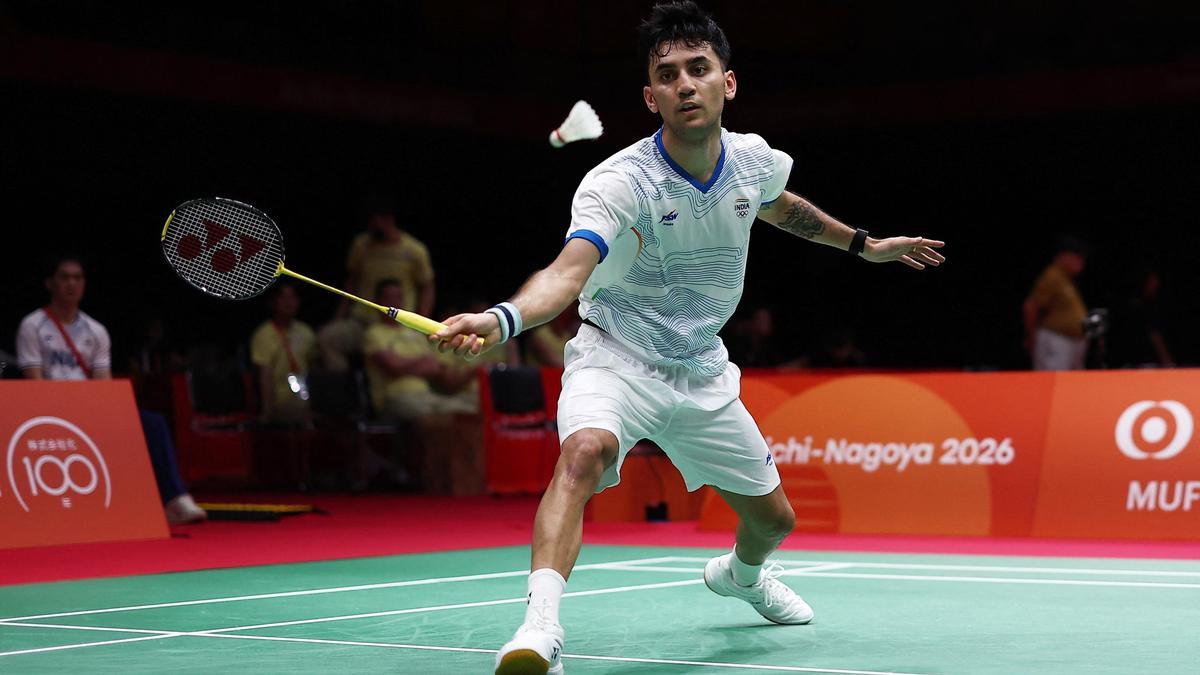
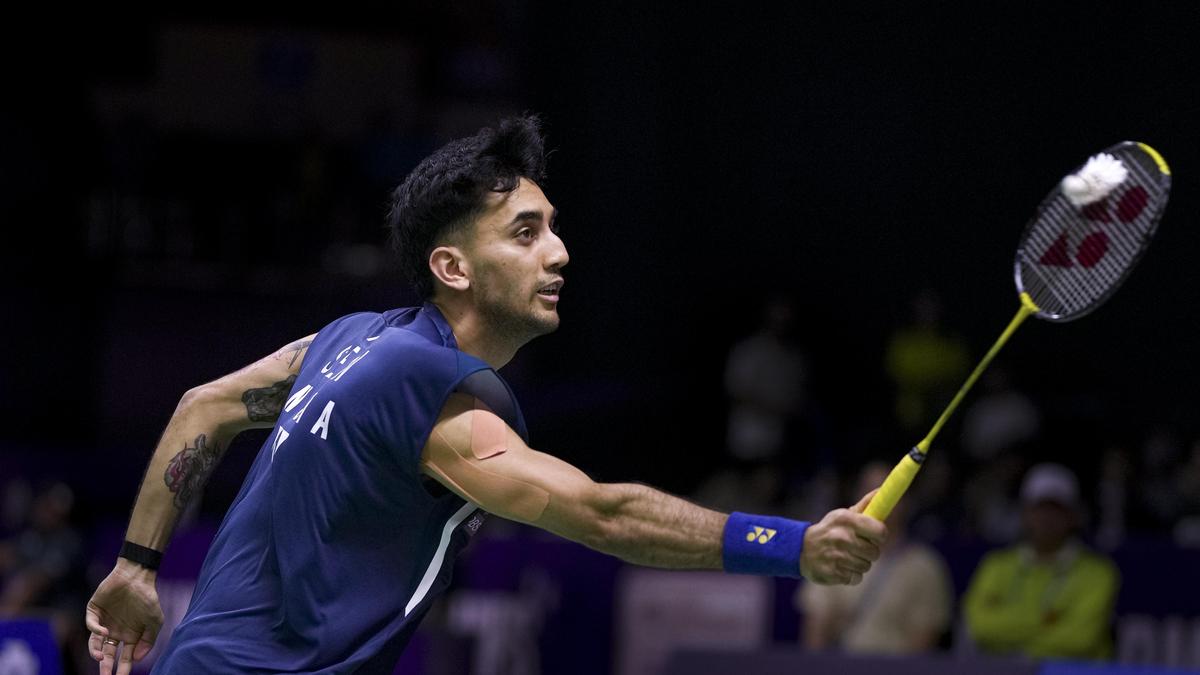
India’s Lakshya Sen is one win away from the Hylo Open 2026 title after overcoming France’s Toma Junior Popov in straight games in their men’s singles semifinal on Saturday. Sen prevailed 21-17, 21-13 at the Saarlandhalle in Saarbrücken, Germany, using his speed, stamina and attacking variety to take control of a demanding badminton contest.
The opening game was closely fought, with both players exchanging points through long rallies and stretches of aggressive play. Sen built an early advantage and led 11-6 at the interval, but Popov continued to press and made the Indian work for every point. Sen held his nerve in the closing stages to claim the game 21-17 before producing a more decisive performance in the second.
Sen began the next game strongly, moving ahead 4-2 and steadily widening the gap. His sharp movement and ability to change direction kept Popov under pressure, while well-judged attacks helped him finish the match 21-13. The result sends Sen into the final, where he will meet either top seed Anders Antonsen of Denmark or fourth seed Jonatan Christie of Indonesia.
Sen’s movement and stamina shape the semifinal
The matchup brought together contrasting approaches. Popov looked to make use of his height and reach, building attacks from the backcourt with powerful clears and steep smashes. Sen, meanwhile, relied on quick court coverage, explosive acceleration and the patience to sustain long exchanges without losing his attacking intent.
Sen’s early lead in the first game came from his ability to control the rally’s length and direction. Deep lifts pushed Popov towards the rear of the court, while fast interceptions at the net prevented the Frenchman from settling into a comfortable rhythm. Rather than simply defending Popov’s power, Sen looked for opportunities to turn those exchanges around and seize the initiative.
His net play proved especially useful. Deceptive drops drew Popov forward, creating space behind him for Sen to exploit. When the Frenchman was forced to cover the full court, Sen could vary the pace with flatter drives or accelerate into a cross-court attack. That mix of placement and power made it difficult for Popov to anticipate where the next shot would go.
Turning defence into attack
One of the most effective features of Sen’s performance was his ability to convert defensive positions into scoring chances. Popov’s steep smashes tested the Indian’s reactions, but Sen’s footwork allowed him to retrieve many of the shots and respond with controlled returns. He then looked to counter quickly, often using a sharp drive or a blistering cross-court smash to shift the pressure back onto his opponent.
That transition mattered in a semifinal where the rallies were physically demanding. Sen had to cover the court repeatedly, but maintained his intensity as the match progressed. His stamina helped him stay composed in the longer exchanges, while his willingness to attack meant Popov could not rely on power alone to dictate play.
Popov tried to shorten rallies and force errors, but the approach did not always pay off. Under Sen’s sustained pressure, the Frenchman occasionally sent shots into the net, handing the Indian points without requiring a finishing winner. Those mistakes were particularly costly in the opening game, when Popov needed to close the gap after Sen’s strong start.
Second-game surge seals the win
After edging the first game, Sen carried his momentum into the second. His 4-2 lead gave him an early platform, and he continued to move Popov from side to side with a blend of deep shots, quick exchanges and delicate touches near the net. The Indian’s accuracy also made it harder for Popov to launch the kind of sustained baseline attack that had threatened to disrupt his rhythm.
As the lead grew, Sen remained disciplined rather than rushing to end rallies. He selected his moments to attack, using body smashes and flat drives to limit Popov’s options before looking for openings. The approach reflected a balanced performance: Sen was prepared to defend when necessary, but was quick to take control whenever an opportunity appeared.
The 21-13 second-game scoreline underlined the shift in the match. While the first game required a determined effort to hold off Popov’s challenge, Sen looked increasingly assured in the second, combining physical resilience with precise shot selection to close out the semifinal in straight games.
Final challenge awaits
Sen’s place in the Hylo Open final gives him the chance to finish a strong week in Saarbrücken with a tournament title. His opponent will be decided by the other semifinal between Denmark’s top-seeded Anders Antonsen and Indonesia’s fourth-seeded Jonatan Christie. Either potential matchup would present a different test, with Sen needing to maintain the consistency and court coverage that served him against Popov.
For badminton followers, the semifinal offered a clear example of how movement and tactical variation can challenge a powerful attacker. Sen did not rely on one shot or a single pattern. Instead, he mixed patient defence with sudden acceleration, used the net to create openings and made Popov cover every part of the court.
The Indian will now turn his attention to the final, where the pressure and quality of opposition are likely to rise. If he can carry forward the same composure, stamina and ability to turn defence into attack, Sen will have a strong opportunity to compete for the Hylo Open 2026 crown.