
Pathum Nissanka Ruled Out of Pakistan ODI Tri-Series as Lahiru Udara Steps In
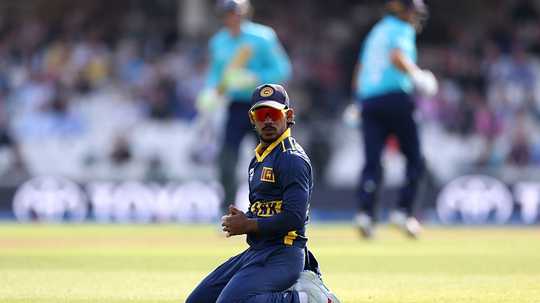
Sri Lanka will begin the upcoming Pakistan tri-nation ODI series without opening batter Pathum Nissanka, who has not yet received medical clearance to return to competitive cricket. Sri Lanka Cricket confirmed on Thursday, October 15, that Nissanka would miss the tournament, with uncapped ODI batter Lahiru Udara named as his replacement.
The decision leaves Sri Lanka without one of their established top-order options for a competition featuring Pakistan and England. The tri-series starts on October 18, with the final scheduled for October 31. Nissanka’s absence adds an important fitness question to Sri Lanka’s preparations, while Udara has an opportunity to make his first appearance in the 50-over format.
Medical Clearance Delays Nissanka’s Return
Nissanka was included in Sri Lanka’s squad, announced on October 4, but his participation was conditional on being declared fit. The right-handed opener sustained a hamstring injury during Sri Lanka’s tour of England and has not yet completed the return-to-play process required by the team’s medical staff.
The injury also ruled him out of the recent three-match T20I series against Pakistan. Rather than risk aggravating the problem during a demanding international schedule, Sri Lanka have opted to leave him out of the ODI group until he is cleared to resume playing. Hamstring injuries can be particularly challenging for batters, whose repeated sprinting, quick changes of direction and running between the wickets place considerable strain on the muscle.
For Sri Lanka, the timing is significant. The tri-series offers valuable preparation and competitive match practice ahead of future international commitments. Losing a regular opening batter can affect the balance of the top order, especially when the team is looking to build partnerships and set a platform for the middle order. The selectors will now need to decide how best to use their available openers and whether Udara can immediately adapt to the demands of ODI cricket.
Lahiru Udara Earns a Chance in the ODI Squad
Udara has played five Tests and seven T20Is for Sri Lanka but is yet to make his ODI debut. His recent international experience could help him settle into the squad: he featured in three T20Is against England in September and another three against Pakistan earlier in October.
He made a strong impression in the first T20I against Pakistan, scoring 91 runs. The innings was Udara’s first score above fifty in the format and demonstrated his ability to make a substantial contribution at the international level. Although T20 and ODI cricket require different approaches, the knock provides a useful indication of his confidence and capacity to build an innings under pressure.
Udara has also shown that he can produce a long innings in the longer format. In July 2026, he scored 188 against the West Indies, registering a Test century. That performance points to an ability to bat for extended periods—an attribute that may prove valuable in ODIs, where players need to balance patience with scoring intent.
His selection is therefore more than a straightforward replacement. It gives Sri Lanka a chance to assess a developing batter in a new format and offers Udara a potential route to a regular place in the national setup. If he makes his debut, his first challenge will be to translate his recent form into the longer white-ball game, where managing the innings across different phases is crucial.
What Nissanka’s Absence Means for Sri Lanka
Nissanka’s omission is likely to prompt discussion about Sri Lanka’s opening combination and the team’s approach at the top of the order. An experienced opener can provide stability, particularly in the early overs, when the ball is new and fielding restrictions create both scoring opportunities and risks. Without him, Sri Lanka may need another batter to take on that responsibility or adjust the order to make the most of the available players.
The change also creates an opportunity for the rest of the batting group to demonstrate depth. A tri-nation tournament can be demanding, with teams facing strong opponents in a short window. Consistent starts, careful management of wickets and partnerships through the middle overs will all be important as Sri Lanka seek to remain competitive against Pakistan and England.
Any prediction about Sri Lanka’s prospects should account for the uncertainty surrounding the revised lineup. Udara’s recent 91 offers an encouraging sign, but his ODI debut would bring a different test of temperament and technique. The tournament could provide a useful measure of how prepared Sri Lanka’s emerging players are to step into larger roles when senior teammates are unavailable.
Two-Test Series Against Pakistan Also in Focus
Nissanka remains part of Sri Lanka’s 15-member squad for the two-Test series against Pakistan, which is scheduled to begin on November 9. However, his place in that group does not guarantee that he will be available. His participation will again depend on his recovery and medical clearance.
The gap between the ODI tri-series and the Tests gives Nissanka additional time to work toward a return, but the priority will be ensuring that he is fully fit rather than rushing him back. Sri Lanka will want one of their key batters available for the Test assignment, while also avoiding the risk of a setback that could extend his absence.
For now, the immediate focus shifts to Udara and Sri Lanka’s revised ODI plans. The tri-series begins on October 18 and concludes with the final on October 31. With Pakistan and England providing strong opposition, the tournament will test Sri Lanka’s depth as well as their ability to adapt. Udara’s performances could become one of the storylines to watch, while Nissanka’s recovery will remain a key concern for the team’s longer-term plans.