
Dejan Kulusevski Reveals He Was Offered a Knee Transplant During Long Injury Battle
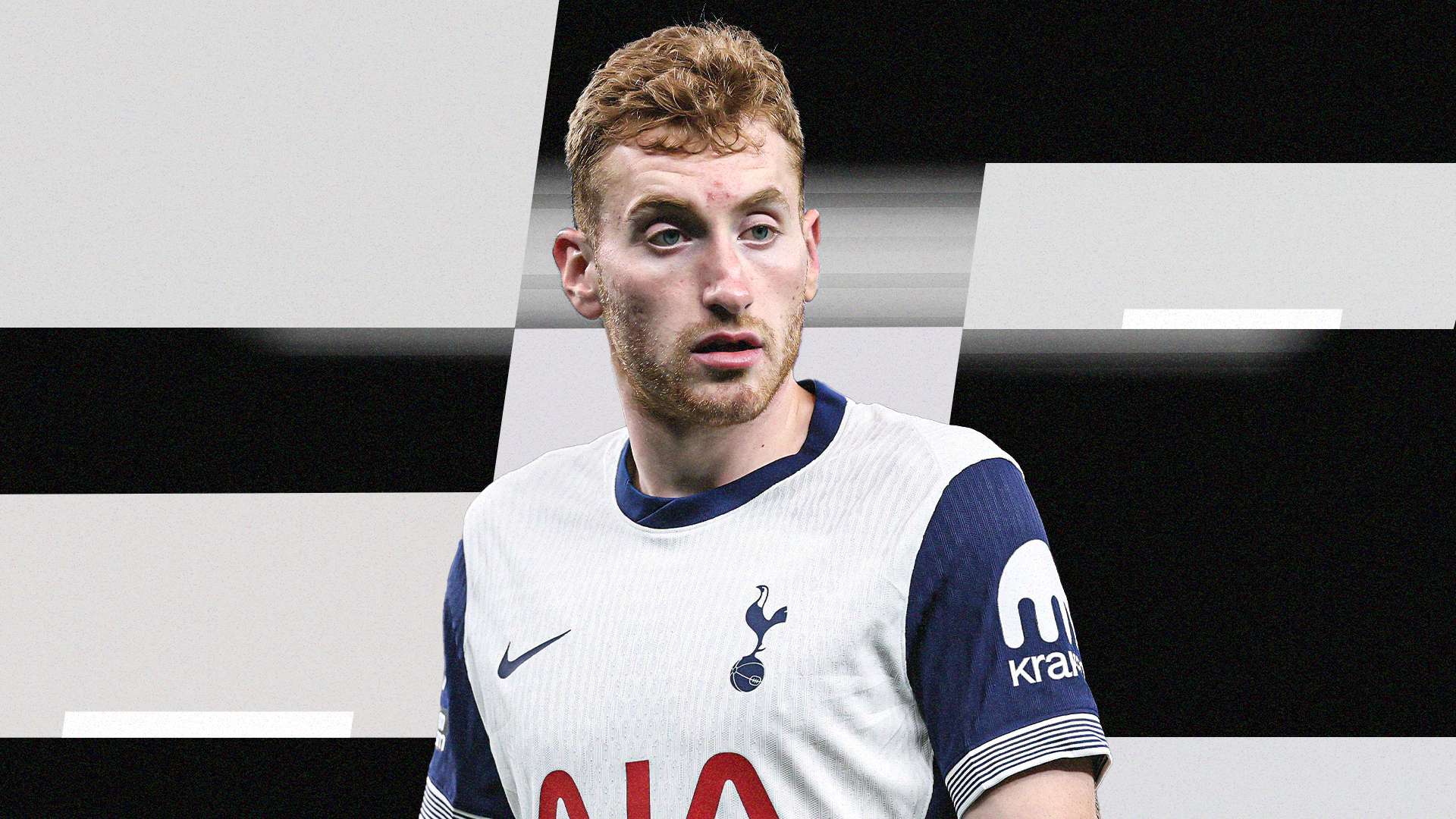
Dejan Kulusevski has described the extraordinary choices he faced during a lengthy spell on the sidelines, revealing that doctors discussed a possible knee transplant as he searched for a way back to football. The Tottenham Hotspur midfielder, speaking from Sweden’s national-team training camp, says he ultimately rejected the drastic option and chose to continue his recovery without another major operation.
The revelation offers a striking new insight into the injury that kept the 2000-born Sweden international out of action for close to two years. It also highlights the uncertainty that can surround serious knee problems, where medical advice, personal confidence and the demands of elite sport may all pull in different directions.
‘They offered me a knee transplant’
According to comments reported by TuttoJuve.com, Kulusevski spent much of last summer consulting other doctors about whether he should undergo further surgery. One possibility, he said, was replacing his damaged knee with another person’s knee—a prospect he described as a transplant.
“I had to spend all of last summer talking to other doctors about another operation,” Kulusevski said. “It was a knee transplant. I would have replaced my knee with someone else’s.”
After considering the proposal, he decided against it. Instead, he committed to training, trying to maintain a normal routine and accepting that some discomfort might remain when he returned to playing. His approach, as he described it, was to keep moving forward rather than let the prospect of pain define his future.
“Then I said no,” he explained. “If I’m in pain when I play, I’ll have to play through the pain. I trained and tried to live like a normal person. I was confident that everything would work out. So far, I’ve been right.”
His words should not be read as medical advice for other athletes. Knee injuries vary widely, and treatment decisions depend on an individual’s diagnosis and specialist guidance. But his account makes clear how difficult the process was for him: faced with the possibility of another major intervention, he had to weigh the potential benefits against the risks and the uncertainty of starting over again.
A prolonged road back to football
Kulusevski’s absence was especially difficult to follow because he had established himself as an important attacking player for both club and country. Born in 2000, he previously played for Juventus before joining Tottenham in 2022. His game relies on acceleration, balance, close control and the ability to change direction—qualities that can be particularly demanding on a recovering knee.
For a professional footballer, rehabilitation is not simply a matter of waiting for pain to disappear. A return often involves rebuilding strength and movement, regaining confidence in the injured joint and gradually increasing the intensity of training. Even when an athlete is physically able to participate, hesitation can remain: sprinting, turning sharply or challenging for the ball may feel different after a serious injury.
Kulusevski’s account suggests that his recovery involved more than medical appointments and gym work. He also had to maintain belief through a period when the outcome was far from certain. His decision to keep training and attempt to live normally reflects the psychological side of rehabilitation, where patience and confidence can be as important to an athlete’s routine as physical conditioning.
Support, scepticism and the pressure of elite sport
The Sweden international also spoke candidly about the reactions he encountered during his recovery. He said that many people were sceptical and that doubts were present even within the club environment. He did not identify individuals, but his comments point to the isolation that can accompany a long-term injury, particularly when a player’s return date is unclear.
“Many people didn’t believe it; many were sceptical. Even within the club,” he said. “During this period, I was disappointed by some people, but at the same time I have to forgive everything.”
He added that there were moments when he wished he had received more help. At the same time, he acknowledged the commercial realities surrounding professional sport, describing football as a business in which clubs, players and staff operate under significant pressure.
That perspective is revealing. Clubs must manage results, budgets and squad availability, while injured players are often focused on their health and the possibility of returning to their previous level. Those priorities can create tension, especially when an injury lasts longer than expected. Kulusevski’s comments do not amount to a direct accusation, but they show how a prolonged absence can affect relationships as well as a player’s body.
What Kulusevski’s recovery could mean for Tottenham and Sweden
For Tottenham, a fit and confident Kulusevski can offer creativity, physical presence and flexibility across the attack. His ability to carry the ball and create opportunities makes him a valuable option when available, while his experience in high-pressure matches adds depth to the squad. Any assessment of his future contribution, however, will depend on how consistently he can train and play without the injury restricting his movement.
His presence at Sweden’s national-team camp is another encouraging step, although a call-up alone does not guarantee a full return to peak form. International football brings its own demands: travel, compressed preparation and the intensity of competitive matches. Coaches will need to balance the desire to use a key player with the importance of managing his workload carefully.
For supporters looking ahead, the most sensible football prediction is cautious optimism rather than certainty. Kulusevski’s determination and confidence are positive signs, but his long-term availability will be judged through sustained performances, not one statement or training appearance. The coming weeks and months should provide a clearer picture of how his knee responds to the demands of regular competition.
A personal decision, not a simple comeback story
Kulusevski’s revelation turns what might have been viewed as a routine injury update into a much more personal account of risk, resilience and trust. The proposed transplant represents the seriousness of the discussions he faced, while his refusal shows how strongly he believed there was another path forward.
He has not suggested that recovery was easy or that pain simply disappeared. Instead, he described a decision to keep training, accept uncertainty and trust that his body could improve. That distinction matters: elite athletes often return through gradual progress rather than a single dramatic breakthrough.
For fans of Tottenham, Sweden and football more broadly, the story is a reminder that a player’s absence can involve far more than what appears on a team sheet. Kulusevski’s road back has included difficult medical conversations, doubts from others and moments of disappointment. Now, with the midfielder again connected to the national-team environment, attention will turn to whether his confidence can be matched by a sustained return to the pitch.