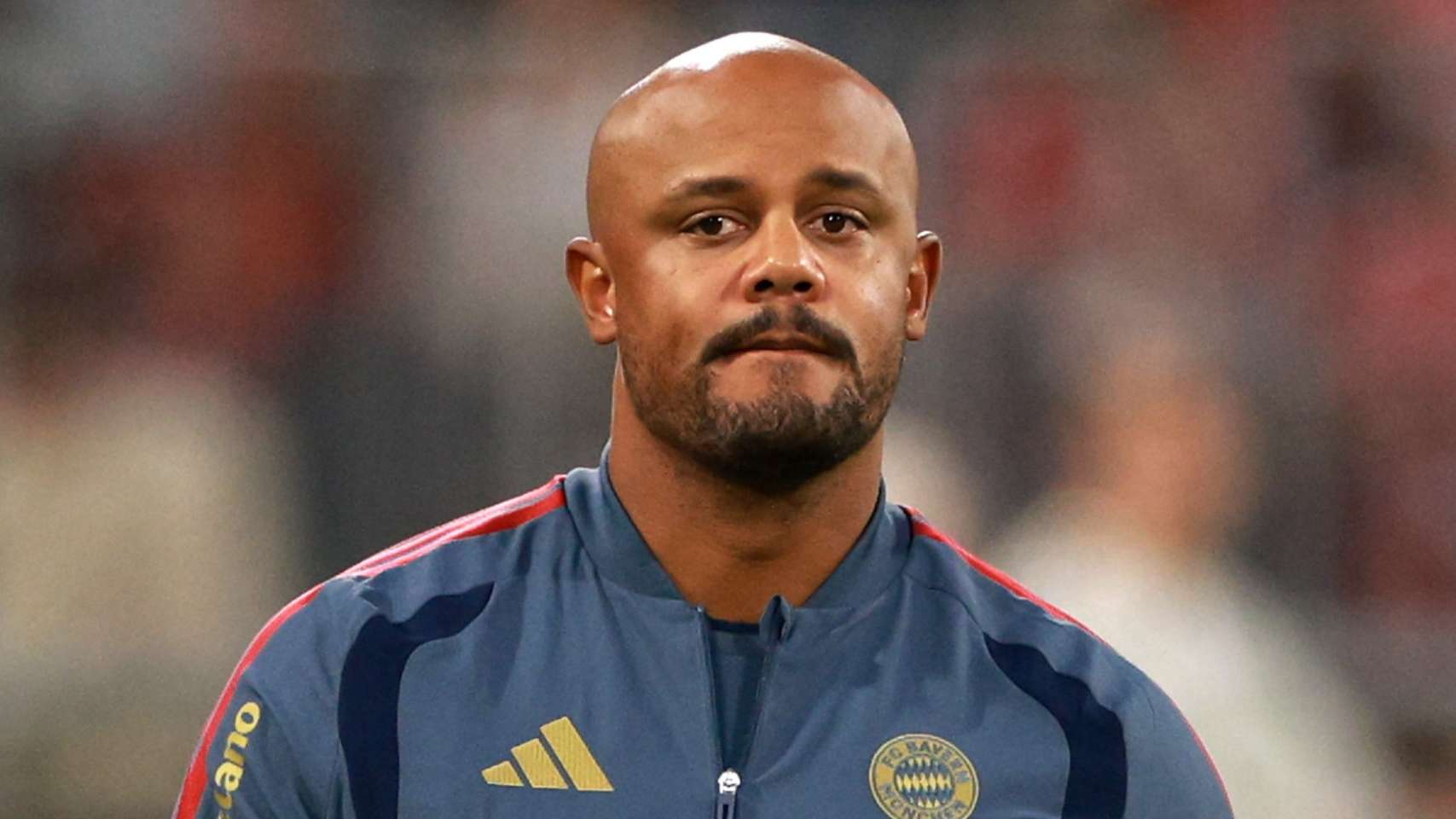

Vincent Kompany’s Manchester City Legacy Faces New Questions After Financial Verdict
Vincent Kompany has responded to the verdict in Manchester City’s long-running financial case, as the club’s past achievements and the honours won during his captaincy face renewed scrutiny. The former City defender, now head coach of Bayern Munich, spent more than a decade at the Etihad Stadium and became one of the defining figures of the team’s rise to the top of English football.
The case has revived a difficult question for supporters: could any future sporting penalties affect titles and medals won during the period under investigation? Kompany’s name is closely connected to that era, but the consequences for former players—and whether past honours could ever be removed—depend on decisions still to be made. A guilty verdict does not, by itself, establish that medals will be taken away.
Why Kompany Is Central to the Conversation
Kompany joined Manchester City in 2008, shortly before the club began a transformation that reshaped its place in the Premier League. He developed into a commanding centre-back and, after becoming captain, helped lead the side through a period of sustained success. His leadership, composure and ability to deliver in major moments made him a symbol of City’s modern identity.
Among the most memorable achievements of his playing career was the dramatic 2011–12 Premier League title, secured on the final day of the season. Kompany later captained City to further league championships, as well as domestic cup victories. For supporters, those trophies are part of a shared history built on standout performances, fierce rivalries and landmark matches.
That history is why the financial investigation has generated such strong reactions. The allegations concern the club’s financial reporting and related obligations over a number of years. Because the period being examined overlaps with City’s most successful seasons, the case has inevitably prompted debate about the relationship between off-field governance and on-field achievement.
What the Verdict Could—and Could Not—Mean
Any discussion of potential consequences needs to distinguish between a finding in a legal or regulatory process and the sporting sanctions that might follow. The details, scope and status of the proceedings matter. A verdict does not automatically erase results, cancel titles or require former players to return medals. Those outcomes would depend on the relevant rules, the decisions of the authorities involved and any appeal process.
Possible sanctions in a major football case can vary widely. Depending on the governing framework and the findings reached, outcomes might include financial penalties, restrictions, points deductions or other disciplinary measures. The precise options—and whether any could apply retrospectively—are questions for the appropriate authorities, not matters that can be settled by speculation.
There is also a practical distinction between a club’s institutional responsibility and the role of individual players. Footballers generally compete under the rules and information available to them, while financial reporting and compliance are handled through club structures. Unless a player is personally implicated in misconduct, it would be misleading to treat the club’s case as proof of wrongdoing by those who represented it on the pitch.
How the Case Affects the Debate Around Football’s Past
The controversy highlights a broader challenge for modern football: how should the sport respond when questions about financial compliance arise years after titles have been won? Supporters may see a trophy as the product of a season’s football, while regulators must consider whether clubs met the rules designed to protect competitive fairness. Those perspectives can collide, especially when a team’s success has become part of its identity.
For Manchester City fans, the uncertainty can be frustrating because the investigation touches achievements that remain vivid and emotionally significant. Rival supporters, meanwhile, may argue that financial rules must be enforced consistently if competitions are to retain credibility. The strongest analysis avoids treating unresolved questions as settled facts and waits for official findings on both responsibility and punishment.
The case also reflects the growing complexity of football governance. Elite clubs operate across global markets, sponsorship arrangements and detailed financial regulations. That makes transparency and clear oversight essential—not only for regulators, but for clubs, players and fans who want to understand how decisions are reached.
Kompany’s Response and His Current Role
Kompany’s comments carry particular weight because he was not a distant observer of City’s rise. He captained the team, experienced its defining seasons and remains one of the club’s most respected former players. At the same time, his current responsibilities at Bayern Munich place him in a different chapter of his career, focused on coaching and the demands of elite European football.
His position illustrates the uncomfortable distance between sporting memories and institutional investigations. Former players can be asked to comment on events that occurred during their careers, even when they were not involved in the administrative decisions at the centre of a case. Any assessment of Kompany’s remarks should therefore focus on what he has actually said, rather than assuming that his response confirms a particular outcome.
For Bayern supporters, the issue is also a reminder of the scrutiny faced by high-profile coaches whose reputations are linked to previous clubs. Yet Kompany’s work in Germany will ultimately be judged by his coaching decisions, results and ability to build a competitive side—not solely by the unresolved questions surrounding his former team.
What Happens Next for Manchester City?
The next stage depends on the formal process: the publication or confirmation of relevant decisions, the range of any penalties and whether either side pursues an appeal. Until those steps are complete, claims about stripped titles or cancelled medals should be treated cautiously. The football world will be watching for clarity on the rules, the evidence and the reasoning behind any final outcome.
For City, the challenge is not only legal or regulatory. The club must also manage the impact of prolonged uncertainty on its reputation and on supporters who want straightforward answers. For the Premier League and football authorities, the case is a test of whether complex investigations can be handled transparently and consistently.
Prediction: The Legacy Debate Will Continue
Any prediction about the final sporting consequences remains uncertain until the process is complete. What seems more likely is that the debate over Manchester City’s titles—and Kompany’s place in that history—will continue for some time. Even if no former player’s medal is directly affected, the case may shape how fans discuss the club’s most successful era.
Kompany’s achievements as captain are part of football history, while the investigation concerns the club’s compliance with financial rules. Keeping those issues distinct is essential. The final judgment belongs to the relevant authorities, but the wider conversation will continue to test how the sport balances sporting memories, institutional accountability and confidence in fair competition.