
Who Can Follow Messi and Ronaldo? Four Football Stars Poised to Shape a New Era
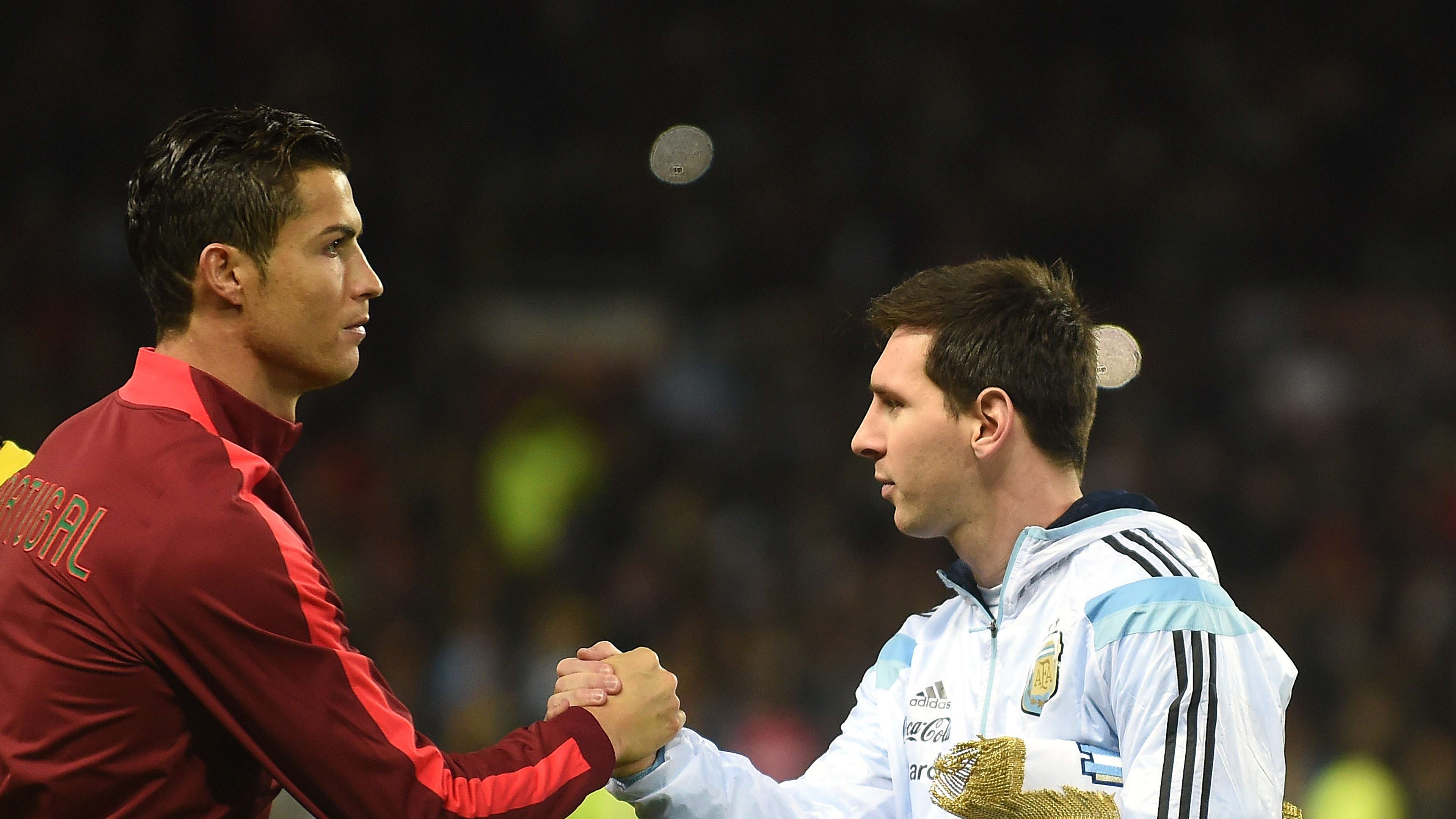
The international careers of Lionel Messi and Cristiano Ronaldo have defined an extraordinary chapter in football. For more than two decades, the Argentine and Portuguese icons set new standards for goalscoring, longevity and influence, collecting records and major trophies that may stand for generations. Their eventual departures from the international stage leave a question for fans: can anyone come close to repeating what they achieved?
A new generation is already making its case. According to Spain’s AS, Kylian Mbappé, Erling Haaland, Harry Kane and Lamine Yamal are among the leading candidates to carry football’s international spotlight into the next era. Each brings a different profile: prolific scoring, tournament experience, leadership or remarkable potential. But any prediction about a successor must account for just how exceptional Messi and Ronaldo’s careers have been.
The international records that set the standard
Ronaldo’s Portugal career produced a landmark combination of appearances and goals. He played 234 times for his country and scored 146 goals, making him the leading men’s international appearance-maker and goalscorer. His influence was also measured in silverware: Portugal won the European Championship in 2016 and the UEFA Nations League in 2019 and 2025 during his international era.
Messi’s Argentina story reached its defining peak with the 2022 World Cup. Across 208 appearances, he scored 126 goals and helped his country win the Copa América in 2021 and 2024, as well as the sport’s most coveted international trophy in Qatar. His achievements combined individual brilliance with the long-awaited success of a national team that had endured years of near misses.
Remarkably, the pair met only twice while representing their countries, and both encounters were friendlies. Argentina won 2–1 in Geneva in 2011, with Messi and Ronaldo each scoring. Portugal claimed a 1–0 victory in Manchester in 2014, although neither star found the net. Their rivalry was far more often experienced through club football and international tournaments than through direct meetings in national-team shirts.
Erling Haaland: Norway’s record-breaking finisher
Haaland has built one of the most striking international scoring records among active players. The Norway striker has scored 65 goals in 59 appearances, a rate of more than one goal per match. He has also moved beyond the country’s previous scoring benchmark of 33, set by Jørgen Juve, to become Norway’s all-time leading scorer.
His impact is not limited to personal milestones. Haaland has helped raise Norway’s profile and strengthen its prospects against established football nations, with the team returning to the World Cup for the first time in 28 years. That achievement gives his goals added significance: they have helped turn individual production into collective progress.
At 26, Haaland has time to build on his tally, but his route to Messi- or Ronaldo-level international status depends on more than scoring. Norway’s tournament results, his availability and his ability to sustain his output across many seasons will all shape the comparison.
Kylian Mbappé: the strongest all-round contender
Mbappé may be the most complete candidate to challenge parts of the pair’s legacy. The France captain has scored 67 goals in 107 international matches and provided 40 assists. He has surpassed Olivier Giroud’s previous French scoring record of 57, while his contribution extends beyond finishing through his pace, chance creation and ability to influence major matches.
His World Cup record is already remarkable. Mbappé has scored 22 goals across three editions of the tournament and won the competition with France in 2018. His performances at the highest level give him a valuable foundation, though matching the sustained international influence of Messi and Ronaldo would require many more years of consistent success.
At 27, he is entering a period in which experience and physical peak can combine. A future prediction for Mbappé’s international career will naturally focus on whether France can continue converting its talent into trophies—and whether he can remain central to that success.
Harry Kane: a prolific captain still seeking a major trophy
England captain Harry Kane offers a different kind of challenge to the record books. He has scored 91 goals in 125 international appearances, placing him at the top of England’s all-time scoring list, well ahead of former record-holder Wayne Rooney, who finished with 53. Kane has also contributed 23 assists, underlining his value as both a finisher and a creator.
His international résumé is powerful, but it lacks a major trophy. England have reached significant finals during Kane’s leadership without securing a title, leaving that achievement as an important unfinished part of his story. At 33, time is a more pressing factor than it is for Haaland, Mbappé or Yamal. Still, his consistency and leadership keep him firmly among the most accomplished active international forwards.
Lamine Yamal: Spain’s long-term prospect
Yamal is the youngest member of the group and the clearest long-term possibility. The Barcelona winger began his Spain career at 16 and has already recorded 11 goals and 13 assists in 36 international appearances. He has also won the European Championship with Spain, an exceptional achievement so early in his career.
His Euro 2024 semi-final performance against France offered a glimpse of his potential. Yamal scored a superb goal as Spain advanced to the final, showing composure and creativity on a major stage. Yet his career is only beginning, making predictions about his eventual totals especially uncertain. Development, fitness, opportunity and the strength of Spain’s future teams will all matter.
A new era, not a simple succession
The four players are not competing to inherit identical careers. Haaland is a record-breaking centre-forward, Mbappé combines scoring with elite tournament experience, Kane brings consistency and leadership, and Yamal represents a rare talent with years of development ahead. Their paths will be shaped by different national-team resources, schedules and opportunities.
That is why the most meaningful comparison with Messi and Ronaldo cannot be reduced to a goals-per-game calculation. Their legacy rests on extraordinary longevity, repeated excellence, club and international achievements, and the ability to remain central to football’s biggest conversations for more than 20 years.
The next generation has already begun writing its own story. Whether any of these stars can approach the historic heights of Messi and Ronaldo remains an open question—and an engaging prediction for football supporters. For now, the clearest conclusion is that the era has changed, but the pursuit of greatness continues.