
Liverpool Faces a Critical Transition: The Future of Goalkeeping and the 2027 Prediction
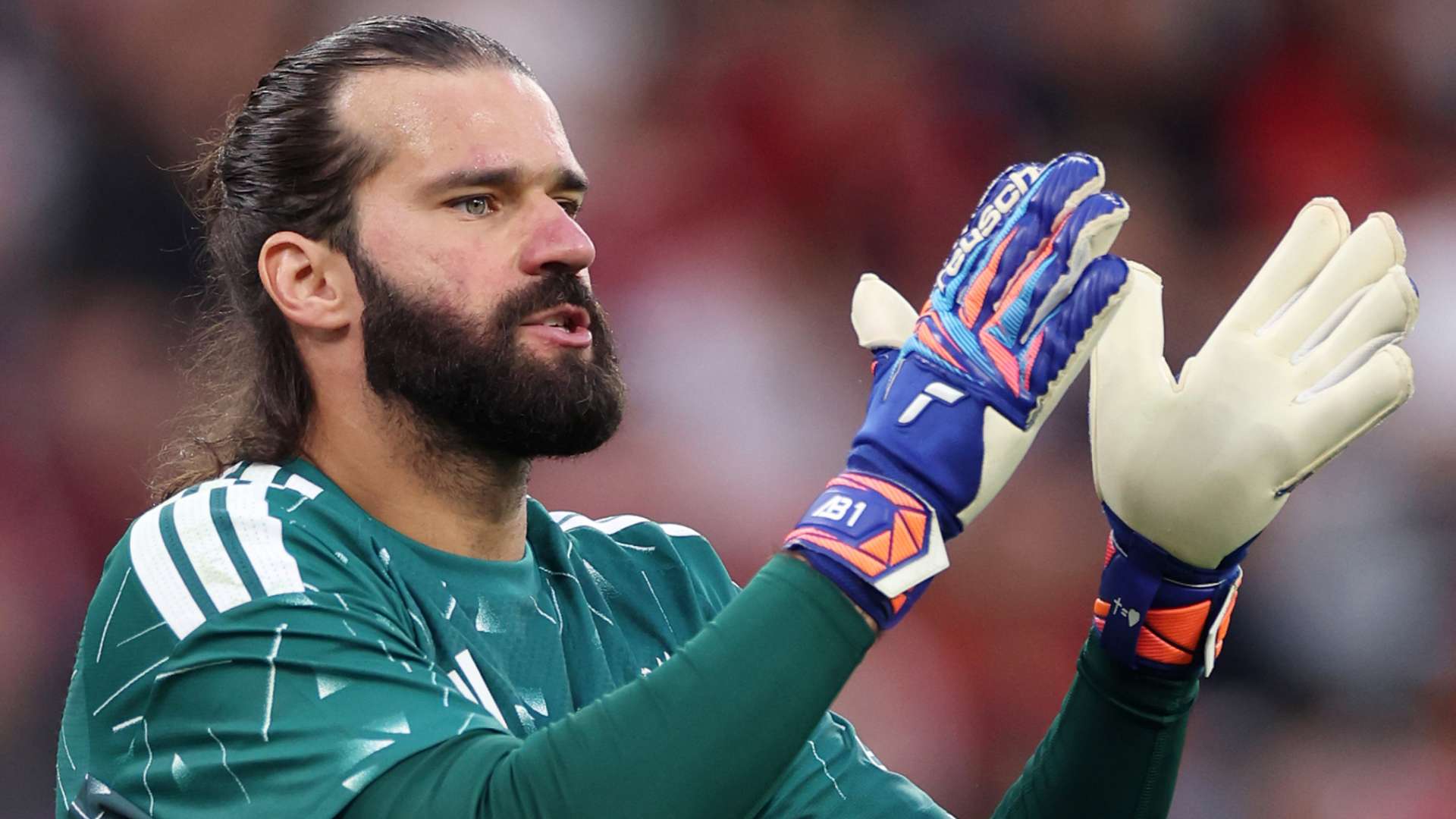
As one of the most storied clubs in football history, Liverpool FC is preparing for a significant transition in their squad’s backbone—specifically, their goalkeeping position. With long-standing goalkeeper Alisson Becker approaching the end of his contract in 2027 and potentially entering free agency, the Reds are faced with the daunting task of identifying and nurturing a suitable successor. This impending change has sparked extensive debate among fans, analysts, and former players alike about whether Liverpool has already identified the perfect candidate to step into Alisson’s shoes, or if they risk making a costly mistake in the transfer market.
The Importance of a Reliable No.1 in Football
In football, the goalkeeper is often considered the last line of defense and a vital component of a team’s overall stability. A consistent, dependable goalkeeper can instill confidence across the entire squad, organize the defense effectively, and even influence the outcome of closely contested matches. For a club like Liverpool, with its rich history of success and high expectations, the role of the No.1 goalkeeper is more critical than ever.
Historically, Liverpool has been home to legendary goalkeepers such as Ray Clemence, Bruce Grobbelaar, and more recently, Alisson Becker. Each of these figures has contributed to the club’s domestic and international triumphs, setting high standards for future incumbents. The upcoming departure of Alisson will leave a void that must be filled with the right talent—someone capable of maintaining the club’s defensive solidity and executing Klopp’s tactical vision.
Alisson Becker: The End of an Era?
Alisson Becker, a Brazilian international, has been an integral part of Liverpool’s success since his arrival in 2018. His exceptional shot-stopping ability, commanding presence in the box, and calm distribution have made him one of the top goalkeepers in world football. Over the years, Alisson has been instrumental in securing Premier League titles, Champions League glory, and other major trophies.
However, with 2027 looming as a likely expiration date for his contract, questions about his future are increasingly prevalent. Will the Brazilian goalkeeper extend his stay, or is this the beginning of the end of his Liverpool journey? Given the typical career span of elite goalkeepers and the physical demands of the role, the club must prepare for a post-Alisson era.
The Search for a Successor: Did Liverpool Have a Perfect Candidate?
In the complex world of football predictions and transfer strategies, many speculate whether Liverpool might have already identified a potential successor to Alisson within their ranks or through the transfer market. However, there is a growing consensus that the club’s management might have missed the opportunity to secure a long-term solution earlier—an assertion supported by insights from former Reds defender Stephen Warnock.
Stephen Warnock’s Perspective: The Challenge of Replacing a Legend
Speaking exclusively to GOAL, Stephen Warnock emphasized the difficulty clubs face when attempting to replace a player of Alisson’s caliber. Warnock, who has firsthand experience in Premier League football, pointed out that selecting a goalkeeper who can match or surpass the standards set by a legendary predecessor is an arduous task, fraught with risks.
“Liverpool might have had a perfect successor in mind at one point,” Warnock explained, “but football is unpredictable. The transition between goalkeepers is one of the most delicate phases in a club’s evolution. You need someone with not just the technical ability but also the mental resilience to handle the pressure.” Warnock’s insights highlight the importance of strategic planning and patience in the club’s future prediction and recruitment process.
The Complexities of Selecting the Right Goalkeeper in Football Prediction and Recruitment
When it comes to predicting and securing the next No.1 goalkeeper, clubs must navigate a complex web of factors, including technical skills, leadership qualities, experience, and adaptability to the club’s playing style. Football prediction models have become increasingly sophisticated, analyzing various data points to forecast a player’s potential impact within a team.
However, even the most advanced prediction algorithms cannot fully account for intangible attributes like composure under pressure or compatibility with a specific tactical system. This is why clubs often rely on a combination of data analysis, scouting, and intuition to make their final decisions.
For Liverpool, the challenge lies in identifying a player who can not only perform at the highest level but also seamlessly integrate into the team’s culture and philosophy. The club’s recent transfer history suggests a preference for signing young, talented goalkeepers with room for development—such as Caoimhín Kelleher, who has shown promise but has yet to establish himself as a guaranteed starter.
Lessons from Past Successes and Failures
History offers valuable lessons for Liverpool and football clubs worldwide. The successful transition from one legendary goalkeeper to another often involves patience, strategic planning, and a clear vision. For instance, Manchester United’s transition from Peter Schmeichel to Peter Schmeichel’s successors, or Real Madrid’s succession plans following Iker Casillas, underscore the importance of grooming talent over time.
Conversely, rushed or poorly executed transfers can lead to instability, as seen in cases where clubs have struggled to find a reliable replacement, resulting in defensive lapses and loss of confidence among players and fans.
Looking Ahead: The 2027 Prediction and Future Strategies
The football prediction landscape suggests that Liverpool’s success in this critical phase hinges on proactive planning. The club must evaluate emerging talents both within their youth ranks and in the global transfer market to identify the ideal candidate who can develop into a top-tier goalkeeper.
Moreover, Liverpool’s scouting network and data analytics capabilities will play a vital role in this process. By leveraging advanced football prediction models, the club can assess potential signings’ long-term impact, ensuring they make informed decisions that align with their strategic goals.
Additionally, nurturing existing talent like Caoimhín Kelleher could be an integral part of the club’s long-term prediction strategy. With proper development and exposure, he might evolve into Liverpool’s next No.1, providing both continuity and a sense of club loyalty that fans cherish.
Conclusion: Preparing for the Future of Liverpool’s Goalkeeping Corps
As Liverpool approaches the pivotal year of 2027, the club’s focus must shift towards meticulous planning, strategic recruitment, and development of homegrown talent. The challenge of replacing a goalkeeper of Alisson’s stature is immense, but with the right football prediction tools, scouting, and patience, Liverpool can ensure a smooth transition that preserves their competitive edge.
The journey to find Liverpool’s next football prediction success story in goalkeeping is filled with uncertainties, but it also offers an opportunity to build a new era of resilience, talent, and excellence. Fans and stakeholders alike will be watching closely as the club charts its course through this critical transition—one that could define Liverpool’s future for years to come.