Lennart Karl Adjusts to Jürgen Klopp’s Demands as Bayern Munich Form Becomes a Talking Point
At just 18, Bayern Munich forward Lennart Karl is already learning how different coaches can shape a football team. Having experienced Julian Nagelsmann’s approach with Germany before working under new national team coach Jürgen Klopp, the young player has noticed a clear contrast: Klopp places particular emphasis on energy, defensive work and collective commitment.
Karl described the transition as challenging at first, but said he has enjoyed the experience. “When you’ve had a coach like Julian before, it’s something completely different,” he told DAZN. “Julian had his strengths, Kloppo has his strengths, but with him most of it is about energy, simply running back, being very defensive. You just have to give it everything.”
That intensity is evident on the training pitch, Karl added, where players are expected to work hard and contribute without the ball. For a young attacker whose reputation was built partly on his creative quality, the adjustment offers a useful lesson: earning a place in a high-level squad requires more than technical ability. Coaches also want players to press, track runners and help the team defend as a unit.
Klopp introduces stricter routines for Germany
Klopp has also brought a more disciplined atmosphere to the national team’s daily routine. Karl pointed to rules designed to encourage players to spend more time communicating with one another. Mobile phones are not allowed at meals, and players cannot use them in the dressing room on match day.
The restrictions are intended to keep the squad focused and strengthen connections between teammates, rather than leaving players absorbed in their screens. Karl did not present the rules as a problem, describing his time with the national team as a “very, very cool week.” His comments suggest that, despite the increased demands, he has responded positively to the environment Klopp is building.
For Germany, the early stages of a new coaching era are about more than selecting a starting eleven. Klopp is establishing expectations around work rate, discipline and team spirit. Younger players such as Karl must adapt quickly if they hope to remain part of his plans as the squad becomes more settled.
Injury setback has interrupted Karl’s momentum
Karl’s international opportunity comes after a difficult period. A serious muscle injury suffered during the summer disrupted his progress and cost him a place at the World Cup. He has returned to action, but has yet to consistently reproduce the form that made him one of the previous season’s most exciting breakout players.
He was included in Klopp’s larger squad for Germany’s first four matches under the new coach. Karl replaced Karim Adeyemi after the opening fixtures against the Netherlands, which ended 1-1, and Greece, where Germany lost 1-0. However, his own involvement was limited while he continued managing the effects of his injury.
“I was still in a bit of pain, so I wasn’t involved in the first week,” Karl explained. He said he has been working hard on his fitness, an important priority for a player returning from a significant muscle problem. Such injuries can affect sharpness and confidence even after a footballer is cleared to play, making a gradual return and careful workload management essential.
Karl’s only appearance for Germany under Klopp so far came in the goalless draw against Greece. He felt he had played well, although the performance received a modest assessment from SPOX, which gave him a rating of 3.5. The match provided valuable international experience, but Karl will need more regular minutes to make a stronger case for a place in the coach’s next, smaller squad.
Bayern opportunity could help him rebuild confidence
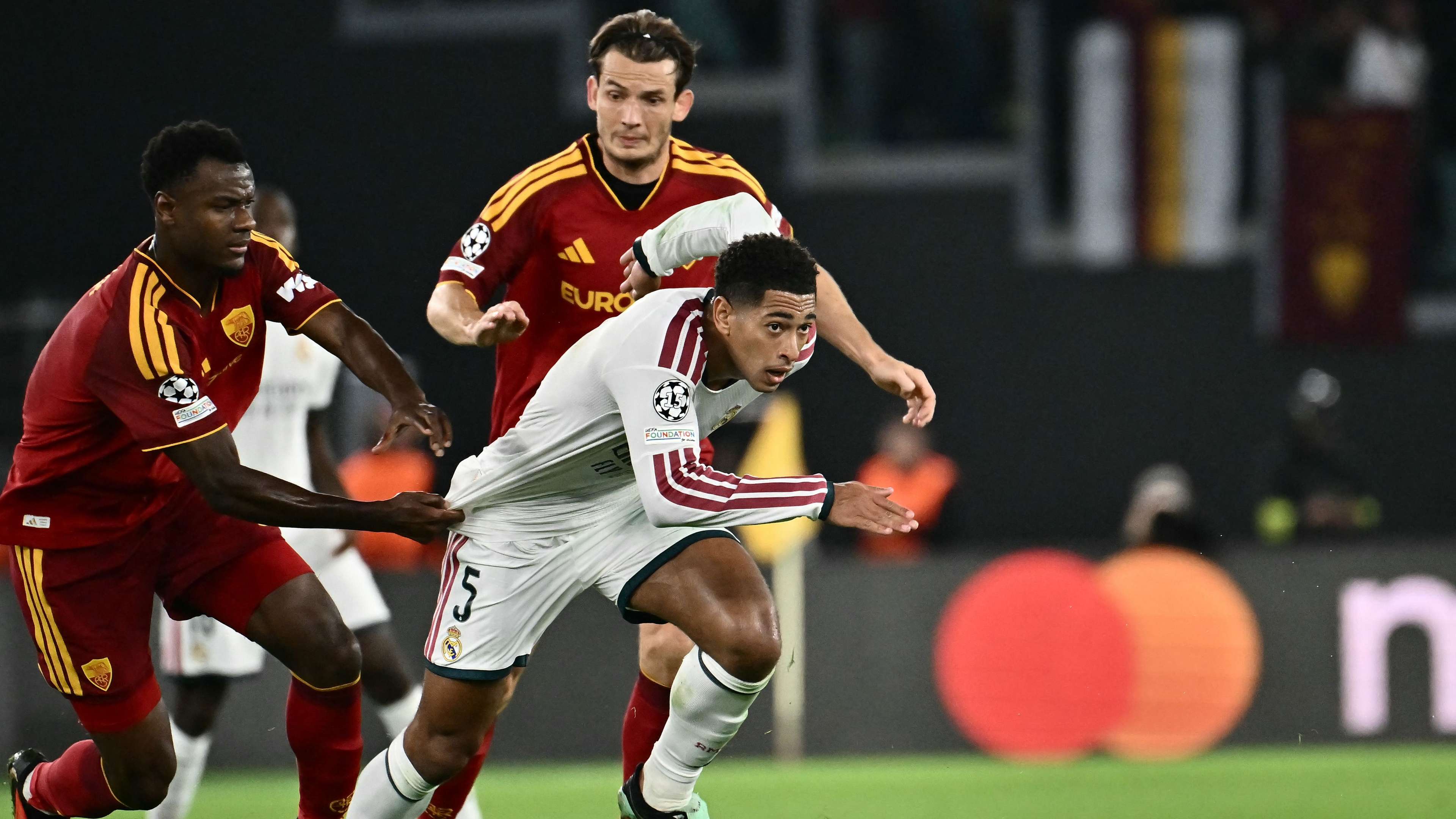
His latest start for Bayern Munich was less convincing. Karl was deployed as a number 10 in the 3-3 Champions League draw against Viking Stavanger, but struggled to make a sustained impact. After two early efforts that caused little danger, he was substituted at half-time. SPOX rated his display at 5.
One difficult outing does not define an 18-year-old’s development, particularly after an injury layoff. Still, the match highlighted the challenge facing Karl as he attempts to regain rhythm. Playing in a central attacking role demands quick decisions, close control in crowded areas and the ability to influence the game between the lines. Bayern will want to see him turn his potential into consistent contributions.
There may be opportunities to do so. Bayern’s squad is relatively small, while the club’s schedule remains demanding across domestic and European competitions. Several attacking players are also dealing with fitness, form or availability concerns, creating a chance for Karl to earn more minutes if he responds well in training and makes the most of his appearances.
Ismael Saibari replaced Karl at half-time against Stavanger but was himself withdrawn late in the match. Jamal Musiala is still working towards a return, while Serge Gnabry is rebuilding his form after injury. Luis Díaz has appeared short of his best in recent weeks, and Michael Olise will miss Bayern’s upcoming Champions League meeting with Arsenal through suspension after being sent off against Stavanger.
November selection could hinge on the weeks ahead
That combination of circumstances gives Karl a realistic route back into the spotlight, but it does not guarantee him a place. Bayern need reliable performances, and Klopp will be assessing not only attacking output but also the defensive effort he has made a central part of his football philosophy. Karl’s ability to apply those lessons could prove as important as his goals or assists.
For supporters following the young forward, the coming weeks will offer a clearer indication of how quickly he can recover his previous level. His return from injury, first international appearance under Klopp and changing role at Bayern are all part of a broader development process. A strong run of club performances could strengthen his chances of being selected when Germany’s squad is reduced in November.
Any prediction about Karl’s immediate role should therefore be cautious. His talent and Bayern’s need for attacking options work in his favour, while his recent form and fitness remain questions to answer. What is clear is that Klopp’s demanding style is giving him a new test: combine his attacking instincts with relentless energy, defensive responsibility and consistent performance. If he can meet that challenge, Karl may yet turn a difficult comeback into an important step forward.