
Brahim Díaz’s Real Madrid Role Shrinks as Endrick Makes His Case
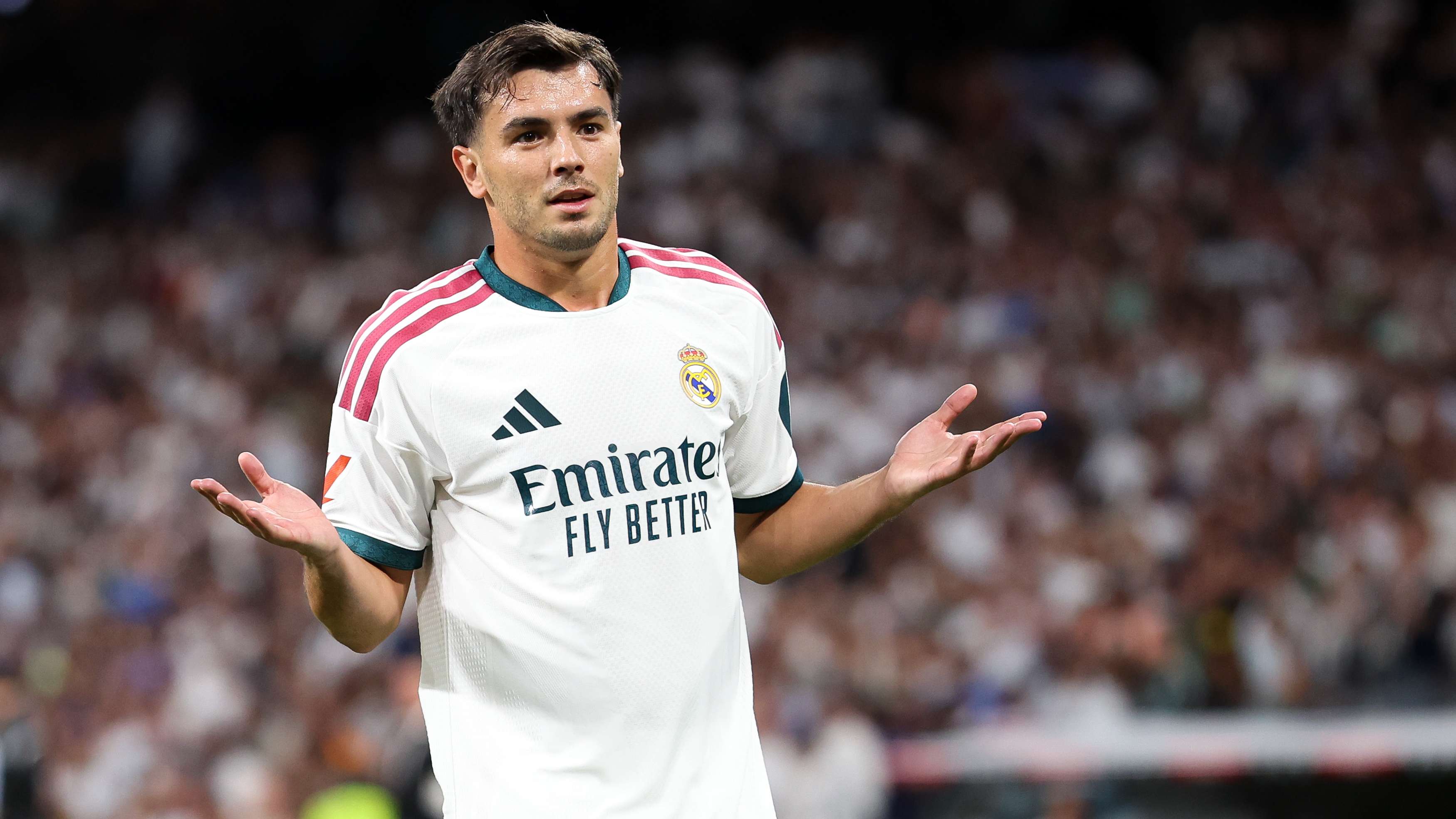
Brahim Díaz’s place in Real Madrid’s attacking plans is becoming increasingly uncertain. The Morocco international has struggled to earn regular minutes this season, and Endrick’s impressive contribution against Roma has added another obstacle in his bid for a consistent role.
Madrid’s comeback offered a vivid example of the current pecking order. Trailing 3-1 with more than 30 minutes remaining, the team needed fresh attacking energy. José Mourinho turned to several options on the bench, including Endrick, but Díaz remained unused as he watched the match unfold.
Endrick entered on the right, a position Díaz has often occupied, and made an immediate impression. His goal, direct dribbling and ability to combine with teammates helped revive Madrid’s attack. The performance strengthened the Brazilian’s case for more opportunities—and intensified competition for a place in a crowded forward line.
Limited Minutes Raise Questions About Díaz’s Standing
According to a report published by Spanish newspaper Marca, Díaz has played only 178 minutes across four appearances in Madrid’s first 10 matches of the season. That figure places him among the squad’s least-used players, despite his experience and ability to operate in several attacking positions.
His reduced involvement began during pre-season. Díaz had returned to training early after Morocco’s elimination from the World Cup quarter-finals and appeared to have an opportunity to make an impression under Mourinho. Once competitive fixtures began, however, his chances remained limited. He was left on the bench against Espanyol and did not feature, even as Madrid looked for attacking solutions.
Díaz did start twice: in a Spanish league match against Málaga at the Santiago Bernabéu and in the opening Champions League fixture against Inter Milan. The Inter appearance was particularly notable. He played 79 minutes and showed commitment despite appearing to be in physical discomfort, underlining his willingness to contribute even when not at full fitness.
Those two starts account for 143 of his 178 minutes. His most recent appearance came on 15 September, when he entered as a substitute against Elche with 23 minutes remaining. Before that, he played 12 minutes against Real Sociedad at the end of August. Since then, he has not returned to the pitch.
Endrick’s impact changes the selection picture
Endrick’s display against Roma was more than a promising cameo. The young Brazilian offered pace and confidence on the right, attacked defenders directly and connected effectively with teammates. His goal also gave Madrid a tangible reward for introducing him at a decisive moment.
That combination makes him a direct competitor for minutes in areas where Díaz can play. Mourinho’s reported position on a possible winter loan is also significant: after the Roma match, the coach said Endrick leaving during the January transfer window was not an option. While that does not guarantee the Brazilian a starting place, it suggests Madrid intend to keep him available as part of the squad.
Other young attackers are also making their case. Carlos Espi, for example, has reportedly played 38 minutes across six matches and scored three goals, while Endrick has recorded 35 minutes in two games and scored once. Their playing time remains modest, but their scoring returns give the coaching staff reasons to consider them when selecting substitutes and shaping match plans.
The comparison needs context: neither Espi nor Endrick has started a match, while Díaz has been trusted from the beginning on two occasions. Still, recent form matters in a squad where opportunities can be brief and competition is intense. A decisive substitute performance can quickly influence the next selection decision.
A crowded attack leaves little room for error
Díaz’s challenge is not simply about Endrick. Real Madrid’s attacking structure includes several players competing for overlapping roles, and the Moroccan must convince Mourinho that he offers something distinct. The report points to the presence of high-profile options such as Jude Bellingham and Arda Güler, while Kylian Mbappé occupies a central place in the forward setup. It also references Diomande, whose reported €140 million arrival would add further competition.
That depth can make it difficult for a versatile player to establish a clear position. Díaz can contribute in advanced areas and from the right, but flexibility alone does not guarantee minutes when other players are producing strong performances. Mourinho must balance individual form, tactical needs and the demands of a long season across domestic and European competitions.
Díaz has not yet rediscovered the influence he showed during the 2023-24 campaign. At that time, he emerged as an important attacking option for Carlo Ancelotti, taking advantage of absences elsewhere and providing creativity, movement and goals. His decision to represent Morocco came during a period when his club form was attracting attention, making his current lack of involvement particularly striking.
What the latest football prediction suggests
Any prediction about Díaz’s future at Madrid should remain cautious. A single match can change a player’s momentum, while injuries, fixture congestion and tactical adjustments can create new openings. His experience and ability to play in multiple positions remain valuable assets, and a strong training spell or an effective substitute appearance could put him back into Mourinho’s plans.
For now, though, the available signs point to a difficult period. Díaz has gone weeks without playing, Endrick has delivered a compelling performance, and the coach has indicated that the Brazilian is expected to stay. The winter transfer window could bring fresh questions about squad balance, but it may also offer Díaz a chance to reassess his options if his role does not improve.
Madrid’s upcoming fixtures will be important in determining whether this is a temporary dip or a deeper shift in the hierarchy. For supporters following the club’s season, the key indicators will be whether Díaz is included in matchday squads, whether he receives meaningful minutes and whether Mourinho uses him in the same right-sided role that Endrick occupied against Roma.
The competition is far from settled, but the pressure is growing. Díaz now needs to turn limited opportunities into clear evidence of his value. Until that happens, Endrick’s rise and Madrid’s crowded attack are likely to keep the Morocco international’s playing time—and his long-term role at the club—under close scrutiny.