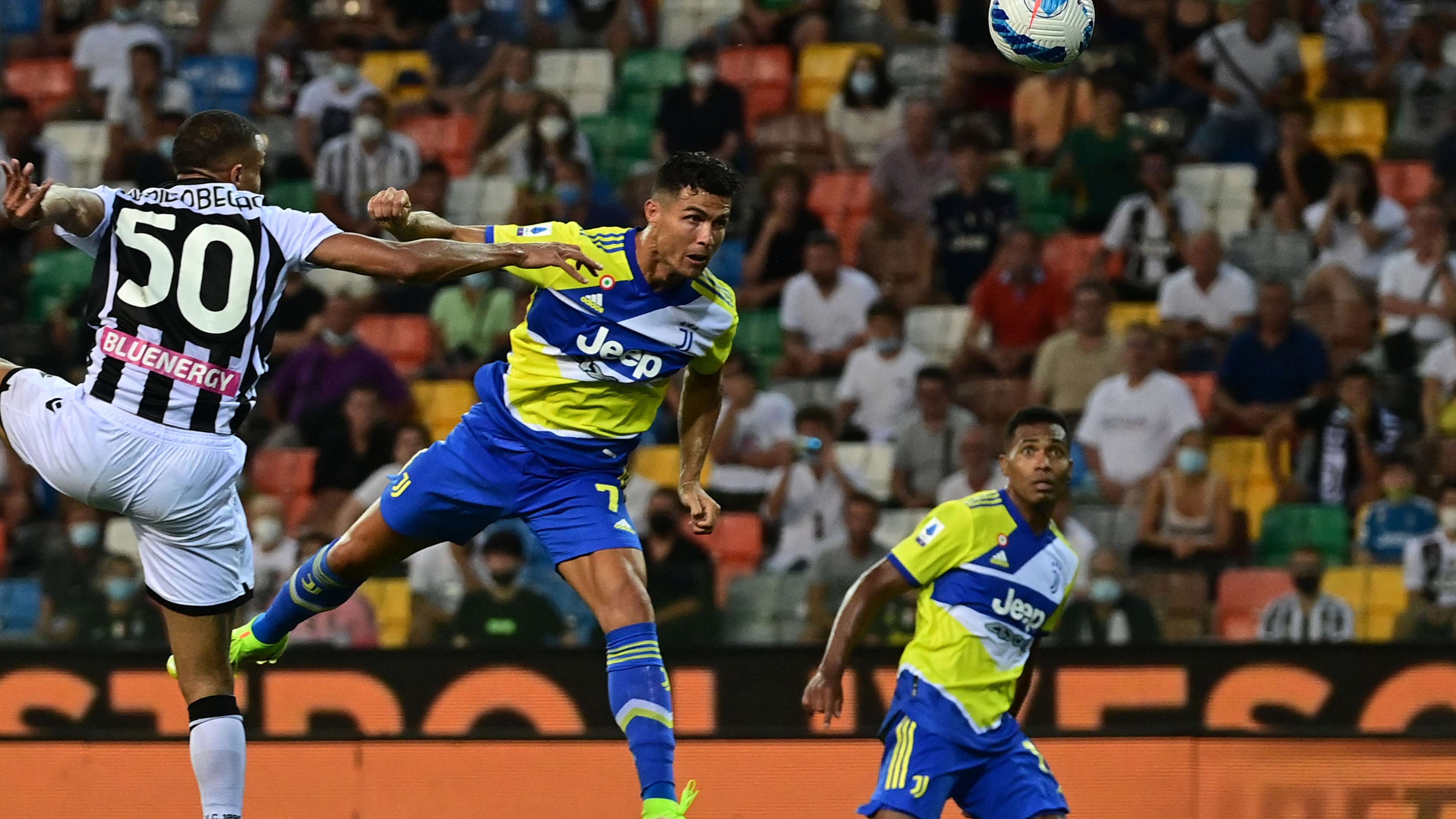

Juventus Take Cristiano Ronaldo Wage Dispute to Italy’s Highest Court
Juventus have escalated their long-running legal dispute with Cristiano Ronaldo, appealing to Italy’s Court of Cassation in an effort to overturn a ruling that requires the club to pay the former forward €9.8 million in unpaid wages, plus related adjustments. The move marks another chapter in a case rooted in the financial arrangements Juventus made during the coronavirus pandemic.
The dispute has attracted attention beyond the money involved. It touches on how football clubs handled player salaries during a period of severe financial uncertainty—and how private wage agreements may be examined years after they were made. For Juventus, the latest appeal is a final attempt to challenge a decision that has already survived arbitration and a labour-court review.
How the Juventus and Ronaldo Dispute Began
The case dates back to 2021, when Ronaldo left Juventus and returned to Manchester United. During the pandemic, the Italian club had negotiated arrangements with players concerning the timing of salary payments. Reports say Juventus agreed to defer €19.5 million in wages owed to Ronaldo.
The arrangement later became part of a wider investigation into Juventus’ finances and what was described as the club’s “wage manoeuvre.” Investigators examined agreements between the club and its players, including a private document commonly referred to as the “Ronaldo letter.” The document came to light as authorities scrutinised how Juventus recorded and managed salary obligations during the pandemic.
At the heart of the legal question is the difference between wages being temporarily deferred and wages being permanently waived. The precise terms and legal effect of the agreement have been contested, making the case a significant example of how football contracts can become complicated when clubs face extraordinary financial pressure.
Why Ronaldo Was Awarded €9.8 Million
Ronaldo initially sought a larger payment. In April 2024, an arbitration panel ruled by majority that Juventus must pay him €9.8 million, together with interest and inflation-linked adjustments. That figure represented roughly half of the amount he had claimed.
The panel’s decision did not find that Juventus had deliberately misled the Portuguese international. It also noted that Ronaldo had not pursued the payment when he departed Italy in 2021. Those points formed part of the panel’s reasoning, but they did not prevent it from concluding that a payment was still due.
The ruling therefore delivered a mixed outcome: Ronaldo did not receive the full sum he had sought, while Juventus was nevertheless ordered to pay a substantial amount. The club challenged the decision, arguing that it should not stand.
Juventus’ Appeals and the Court of Cassation
Juventus’ first major challenge was rejected by a labour court in Turin in January 2026. The court upheld the arbitration outcome, leaving the club liable for the €9.8 million award and associated adjustments.
According to reporting by Italian newspaper La Gazzetta dello Sport, Juventus has now taken the matter to the Court of Cassation, Italy’s highest court for appeals. The club’s financial report for the 2025–26 season states that the appeal was lodged on 27 March 2026. A hearing date has not yet been announced.
The Court of Cassation is the final stage of Italy’s ordinary judicial appeal system. Its role is generally focused on reviewing whether the law was applied correctly, rather than simply rehearing every factual detail of a case. That means the next stage may centre on legal arguments about the earlier decisions and the interpretation of the wage agreement.
For supporters following the case, a key question is whether the court will identify grounds to overturn or revise the previous ruling. However, the existence of a final appeal does not guarantee that Juventus will succeed. Until the court issues its decision, the arbitration award and the Turin labour court’s ruling remain the central outcomes in the dispute.
What the Case Means for Juventus’ Finances
Juventus has also addressed the potential financial impact. The club has said the costs connected with the ruling have already been included in its accounts since the 2023–24 financial year. In practical terms, that accounting treatment is intended to reduce the risk of a new, unexpected charge appearing in later financial statements.
This disclosure is relevant to investors as well as fans. Football clubs must balance sporting ambitions with financial reporting obligations, and legal disputes can create uncertainty around future costs. By recording the expense earlier, Juventus is signalling that it has already recognised the liability in its accounts, even as it continues to challenge the ruling.
The amount is significant, but the broader consequences may be just as important. The case draws attention to the documentation of salary deferrals, the handling of player agreements and the importance of clear written terms. Clubs across European football faced difficult choices during the pandemic, when matchday income disappeared or fell sharply. Disputes over how those choices were recorded can continue long after normal operations resume.
What Happens Next?
The immediate next step is for the Court of Cassation to set a hearing date and consider Juventus’ appeal. Until then, there is no new ruling to change the existing outcome. The club is seeking to overturn a decision that has already been upheld once, while Ronaldo’s position is supported by the arbitration award and the labour court judgment.
Any prediction about the final result should be treated cautiously. The outcome will depend on the legal arguments presented and the court’s assessment of the earlier proceedings—not simply on Ronaldo’s status as one of football’s most prominent players or Juventus’ desire to avoid the payment.
For now, the case remains a reminder that football’s biggest transfers and headline-making careers often leave complex issues behind. Ronaldo’s departure from Turin in 2021 may have closed one chapter on the pitch, but the dispute over deferred wages has continued through multiple legal stages. Juventus’ latest appeal could determine whether the club’s challenge ends at the country’s highest court or whether the existing payment order remains in place.