
Former Arsenal Midfielder Jorginho Reveals Struggles Leading to Departure
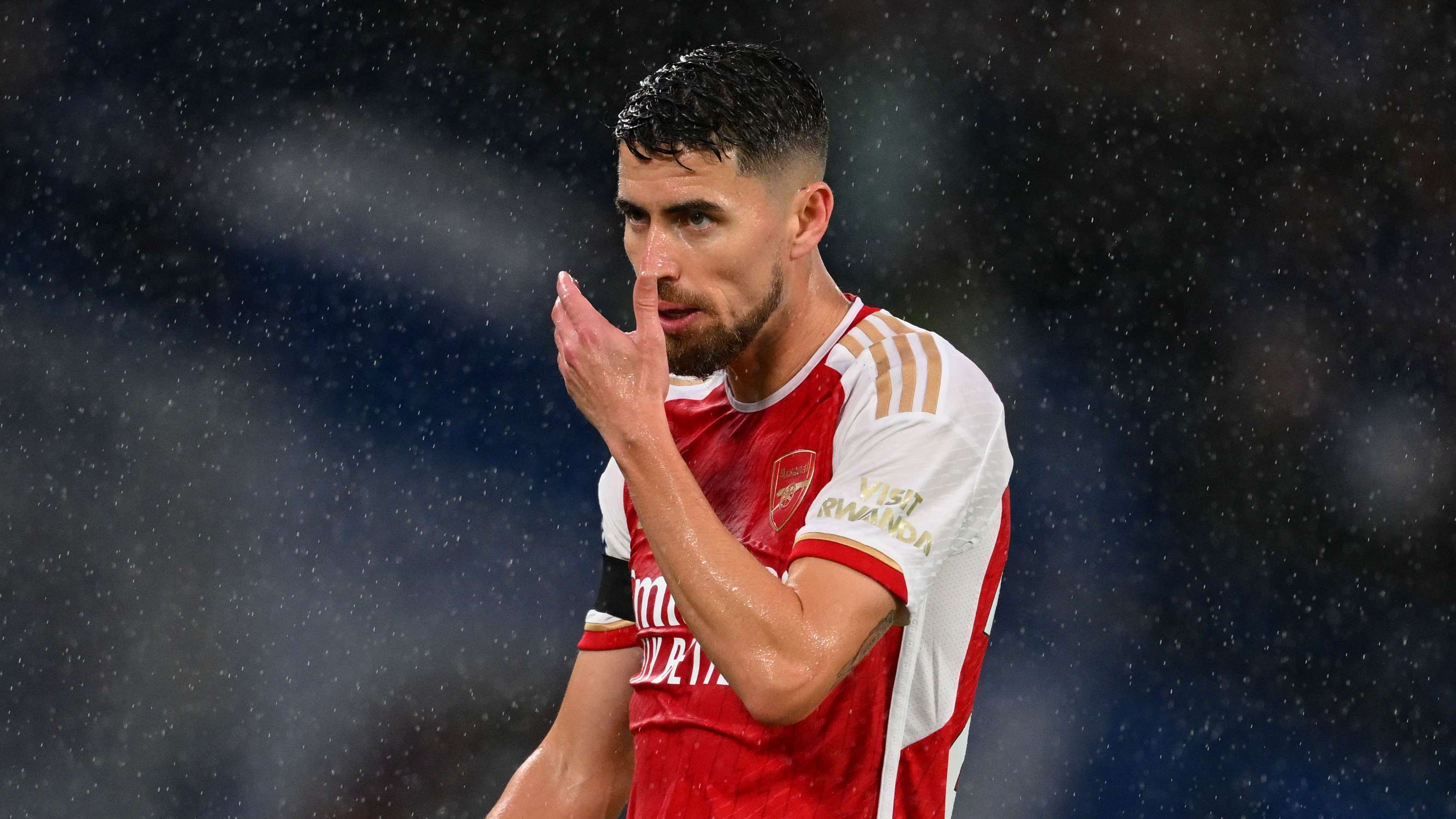
Former Arsenal midfielder Jorginho recently shed light on the reasons behind his departure from the North London club, citing a loss of passion for the game as a key factor. The Italian player, who found himself in a reduced role under manager Mikel Arteta, expressed that limited playing time and a strict tactical approach made it challenging for him to feel valued within the squad.
Struggles with Playing Time and Tactical Focus
Jorginho, who once showcased his talent and skill on the field for Arsenal, faced a period of frustration towards the end of his time at the Emirates Stadium. As he struggled to secure regular playing minutes under Arteta’s management, the midfielder found it increasingly difficult to maintain his enthusiasm for the game.
The Italian player revealed that the emphasis on a rigid tactical system at Arsenal further contributed to his sense of disconnect from the team. With a focus on specific roles and strategies, Jorginho felt marginalized and struggled to find a sense of importance within the squad.
Impact on Passion for the Game
Jorginho’s candid admission about his waning passion for football highlights the challenges that professional athletes often face behind the scenes. Despite his initial excitement and dedication to Arsenal, the midfielder’s struggles with playing time and tactical constraints ultimately took a toll on his love for the sport.
Reflecting on his decision to part ways with Arsenal, Jorginho emphasized the importance of feeling valued and motivated in order to perform at his best. The midfielder’s honesty about his struggles serves as a reminder of the mental and emotional aspects that can impact a player’s performance on the field.
Looking Ahead
As Jorginho embarks on a new chapter in his career, the midfielder remains optimistic about the opportunities that lie ahead. With a fresh start and the chance to rediscover his passion for the game, the Italian player is eager to showcase his talents and make a positive impact at his next club.
While his time at Arsenal may have come to an end, Jorginho’s honesty about his struggles opens up important conversations about the challenges faced by professional footballers. By speaking out about his experiences, the midfielder sheds light on the complexities of life as a professional athlete and the importance of maintaining passion and motivation in the face of adversity.
In conclusion, Jorginho’s decision to leave Arsenal was influenced by a combination of factors, including limited playing time and a rigid tactical focus. The midfielder’s candid revelations about his struggles serve as a reminder of the mental and emotional challenges that can impact a player’s career in football. As he moves forward, Jorginho remains determined to reignite his passion for the game and make a positive impact at his next club.
Impact on Team Dynamics
Jorginho’s departure from Arsenal also had an impact on team dynamics and morale within the squad. As a player who had previously been an integral part of the team, his struggles and subsequent exit may have created ripples in the locker room. The loss of a player with Jorginho’s experience and skill set could have left a void in the team, affecting the overall performance and cohesion on the field.
Furthermore, the departure of a player can also lead to shifts in leadership within the team. Jorginho’s absence may have opened up opportunities for other players to step up and take on more significant roles both on and off the field. This transition in team dynamics can have a lasting impact on the squad’s chemistry and effectiveness in upcoming matches.
Mental Health in Professional Sports
Jorginho’s revelation about his struggles with passion and motivation sheds light on the importance of mental health in professional sports. The pressures and demands of elite-level competition can take a toll on athletes, impacting their mindset and emotional well-being. It is essential for clubs and managers to prioritize the mental health of their players, ensuring they have the support and resources needed to navigate challenges and maintain their love for the game.
By speaking out about his experiences, Jorginho brings attention to the mental health struggles that professional athletes may face behind the scenes. It is crucial for players to feel valued, supported, and motivated in order to perform at their best, highlighting the significance of mental resilience and well-being in the world of football.
The Importance of Player-Manager Communication
Jorginho’s departure from Arsenal also underscores the importance of open and transparent communication between players and managers. Clear dialogue and feedback channels can help address issues such as playing time, tactical concerns, and overall well-being within the squad. Effective communication can prevent misunderstandings, alleviate frustrations, and foster a positive environment where players feel valued and understood.
Managers play a vital role in nurturing their players’ talents, managing their emotions, and fostering a cohesive team culture. By fostering a supportive and communicative relationship with their players, managers can help prevent situations like Jorginho’s departure and ensure that athletes feel empowered and motivated to perform at their best.
Conclusion
Jorginho’s departure from Arsenal not only sheds light on the challenges faced by professional footballers but also underscores the importance of mental health, team dynamics, and effective communication within a club. As the midfielder looks towards the future with optimism and determination, his experiences serve as a valuable lesson for both players and managers in the world of football. By prioritizing mental well-being, fostering strong team dynamics, and maintaining open communication, clubs can create an environment where players can thrive and achieve their full potential on the field.