
Tanja Dik Denies Marc Overmars Photo Claim and Criticises Johan Derksen
Johan Cruyff ArenA chief executive Tanja Dik has firmly rejected a claim that she received an inappropriate photograph from former Ajax director of football Marc Overmars. In a wide-ranging interview with Het Parool, Dik said the story was untrue and criticised television commentator Johan Derksen for bringing it into the public conversation.
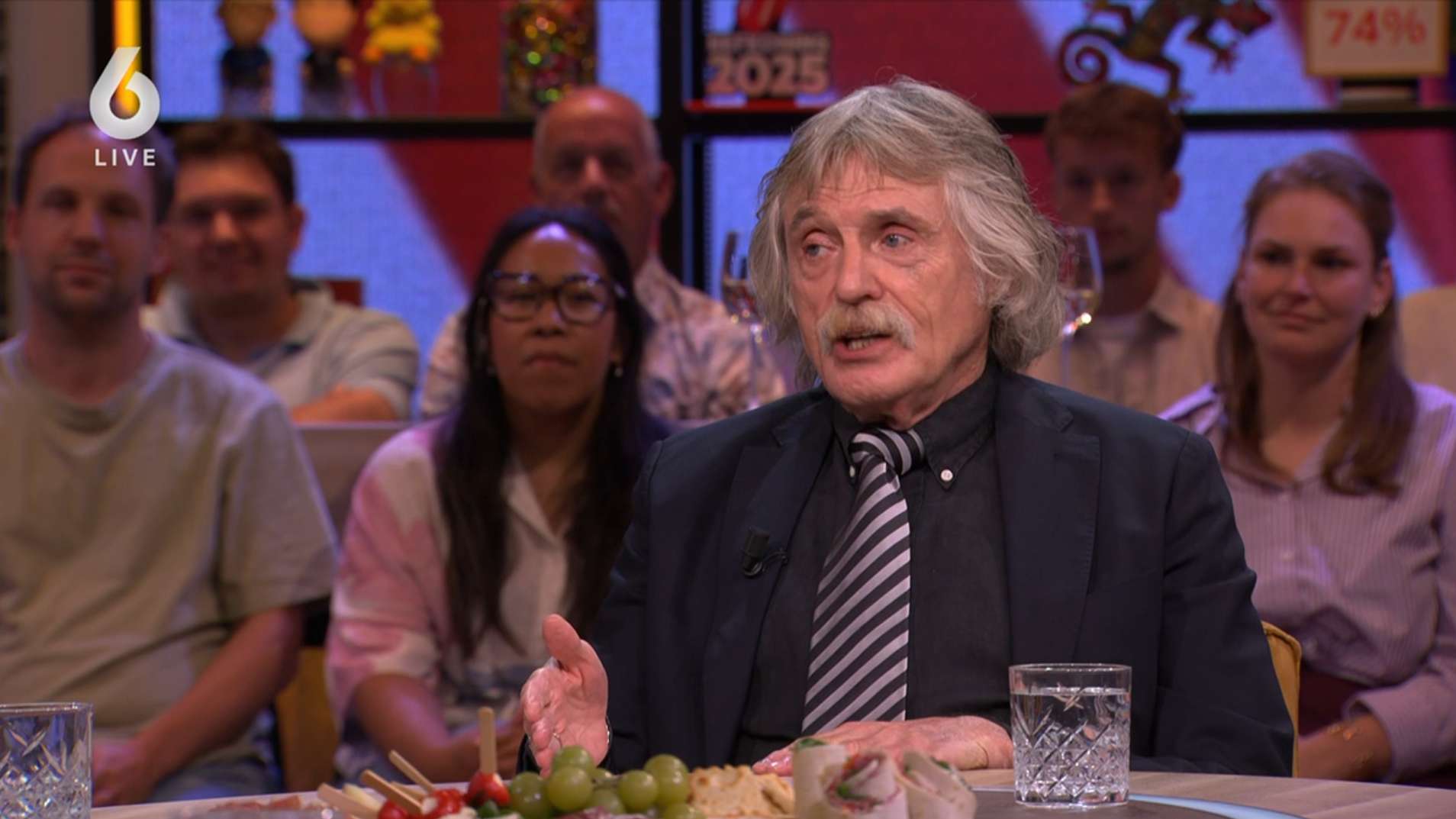
The claim dates back to December 2023, when Derksen discussed the Overmars controversy on the Dutch programme Vandaag Inside. He suggested that Dik had been the first woman to receive an explicit image from the former football executive. More than two years later, Dik has spoken directly about the allegation, explaining why she found it both false and damaging.
What Dik Said About the Allegation
Asked whether she had received a so-called “dick pic” from Overmars, Dik gave an unequivocal answer: “No, of course not.” She also rejected the idea that she would have quietly tolerated such conduct if it had happened.
“What Marc Overmars did is so crazy,” she said, adding that anyone who had heard her speak would understand how she would have responded. Dik said she would have confronted him directly and made clear that the behaviour was unacceptable.
Her point, she stressed, was not simply about whether the rumour was believable. She was particularly troubled that a prominent broadcaster had presented it as a story about her without first establishing whether it was true. Dik said she would have challenged Overmars immediately if he had acted inappropriately toward her.
Derksen’s 2023 Remarks
On 22 December 2023, Derksen said on Vandaag Inside that the first explicit image sent by Overmars had supposedly gone to “Mrs Dik,” referring to the ArenA director. He also made a joke about her surname, adding a reference to her father and the former Dutch postal and telecommunications organisation PTT.
The comments linked Dik to a serious and highly publicised episode in Dutch football. Overmars left Ajax in 2022 after the club said he had sent inappropriate messages to several female colleagues. The case prompted renewed discussion about workplace conduct, power imbalances and the responsibility of football organisations to protect staff.
Dik’s denial does not alter the established facts about the allegations that led to Overmars leaving Ajax. Instead, it addresses a separate claim about her own involvement. Her interview makes clear that she considers the suggestion that she was a recipient to be entirely false.
Why She Regrets Staying Silent
Dik said she did not respond publicly when Derksen made the claim. At the time, she was advised that speaking out could give the story more attention. Looking back, however, she regrets following that advice.
“Not responding does not suit me at all,” she said, questioning the logic that a response would make the situation worse. For Dik, silence left an inaccurate claim unanswered and allowed others to discuss her as though the allegation had been confirmed.
She said people who knew her did not believe the story. In her view, the idea that Overmars had sent her an inappropriate image was absurd. Even so, she felt a responsibility to address the rumour inside the Johan Cruyff ArenA, where she leads a large workforce.
Dik said she contacted the ArenA’s female employees by email to make clear that the claim was untrue. The step reflected a concern beyond her own reputation: she did not want staff to think that their chief executive would ignore misconduct or fail to act if an employee’s safety was at risk.
Workplace Safety and Leadership in Football
That concern sits at the heart of Dik’s criticism. She said the most upsetting implication was that a female executive responsible for supporting staff might have received such an image and done nothing about it. She rejected that suggestion in strong terms, saying she would never have allowed inappropriate behaviour to continue.
The episode highlights how rumours about misconduct can affect more than the people directly named. In high-profile football environments, public discussion can shape perceptions of clubs, executives and workplace culture. It can also make it harder to distinguish between verified reporting, speculation and jokes presented on television.
For organisations across professional sport, the wider lesson is that clear reporting channels and trusted leadership matter. Employees need to know that concerns will be taken seriously, while public figures should be given a fair opportunity to correct false claims. Dik’s account underscores the importance of both accountability and accuracy when discussing allegations of workplace misconduct.
Dik Says She Would Respond Differently Now
If a similar situation arose today, Dik said she would not stay away from the programme where the claim was aired. She would go on Vandaag Inside and address the matter directly, describing herself as a fighter. She also voiced concern that conditions for women are becoming more difficult, making it even more important to challenge harmful behaviour and misleading narratives.
Her comments arrive as football continues to face scrutiny over how clubs handle complaints, protect employees and respond when powerful figures are accused of misconduct. The Overmars case remains part of that broader conversation, but Dik’s interview draws a clear distinction between the allegations involving him and the false claim that she was personally targeted.
For readers following Dutch football, the story is a reminder that a headline or television remark is not the same as a verified fact. Dik has now put her position on record: she says she never received an inappropriate photograph from Overmars, would have confronted him if she had, and regrets not correcting the claim publicly sooner.
There is no football prediction or match result attached to this developing media story. Its significance lies instead in the questions it raises about responsible commentary, workplace safety and how women in sport are represented when allegations become part of the public debate.