
Oussama Targhalline Earns Praise After Feyenoord’s Narrow Defeat to Real Betis
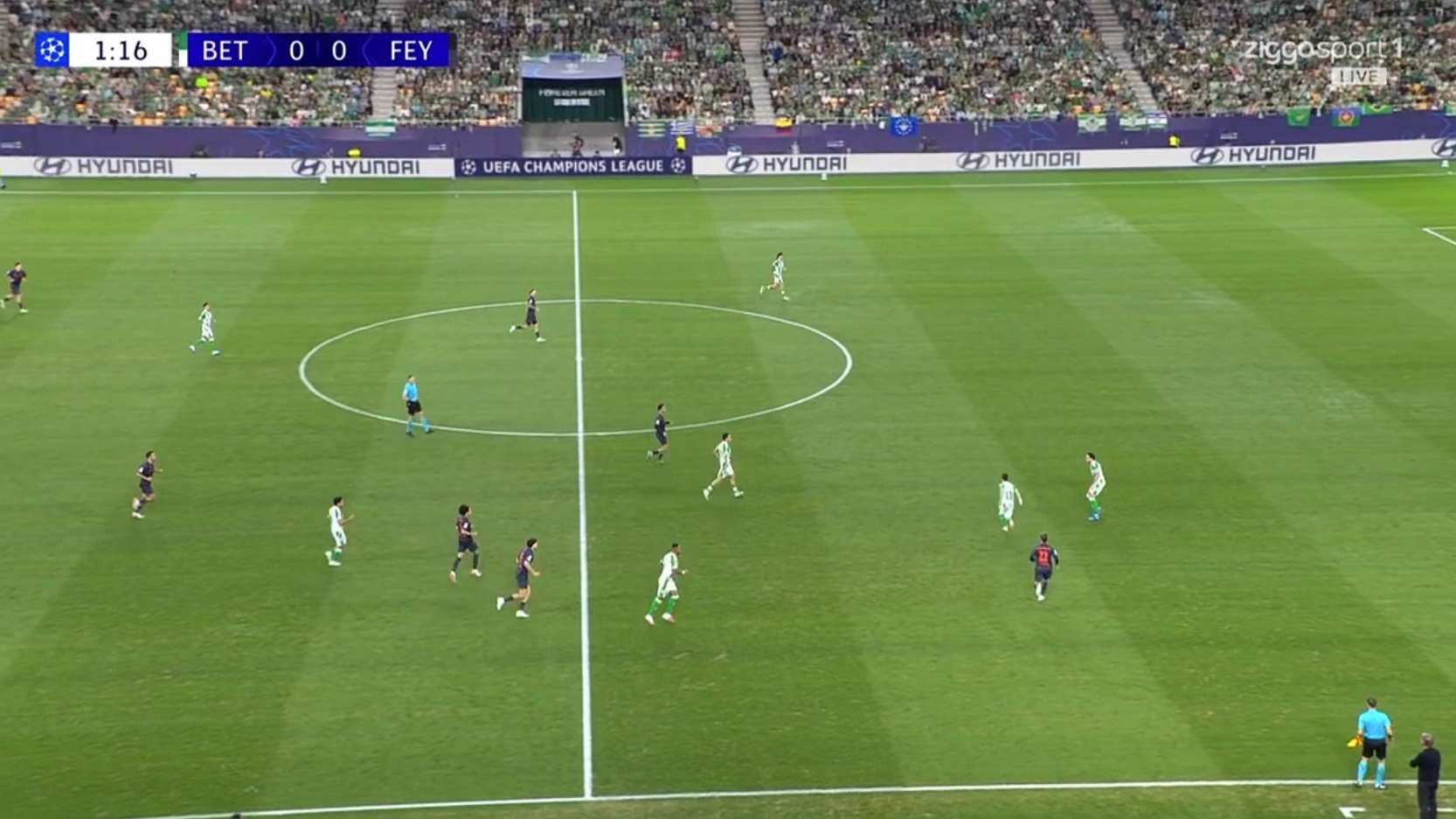
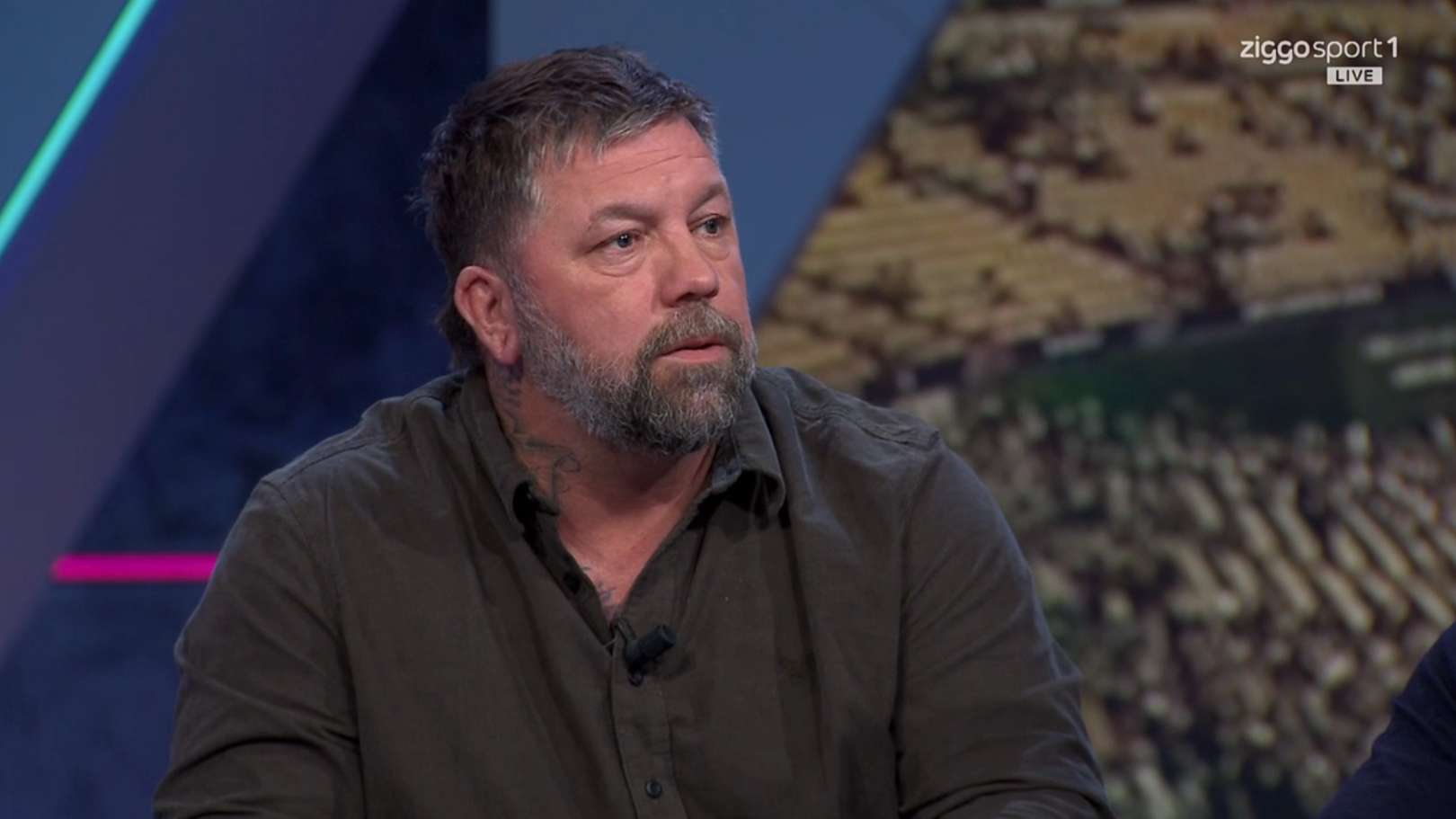
Feyenoord left Seville empty-handed after a 1-0 defeat to Real Betis, but former midfielder Theo Janssen saw reasons for encouragement in the Rotterdam side’s performance. Speaking on Ziggo Sport, Janssen singled out Oussama Targhalline as one of Feyenoord’s strongest players, particularly for his work without the ball.
While the result was a setback in European competition, Janssen’s assessment offered a more detailed picture than the scoreline alone. He praised Targhalline’s defensive discipline and ability to disrupt Betis’ attacks, while also pointing to areas where Luciano Valente and Gjivai Zechiël could improve. The analysis gives Feyenoord supporters plenty to consider as the team turns its attention to a major Eredivisie clash with PSV.
Janssen Highlights Targhalline’s Defensive Contribution
Targhalline stood out to Janssen because he consistently stayed close to his opponent, anticipated passes and stepped in to win possession. Those actions helped Feyenoord regain the ball and create opportunities to counter-attack against a Betis side playing at home.
“I actually thought Targhalline was one of the best players,” Janssen said, particularly praising the midfielder’s performance when Feyenoord did not have possession. His positioning and timing, Janssen explained, allowed him to get ahead of his marker and intercept the ball before Betis could build another attack.
Winning possession was only the first part of the job. Feyenoord needed to turn those interceptions into quick, effective attacks, and Janssen acknowledged that the team was not always tidy in transition. Some counter-attacks broke down through loose touches or rushed decisions. Even so, he considered Targhalline’s overall contribution very strong.
That distinction matters in modern football, where a midfielder’s value is not measured only by goals and assists. Reading the game, closing passing lanes and recovering possession can shape the flow of a match, especially against opponents who look to control the ball. Targhalline’s performance offered Feyenoord a useful platform, even if the team could not convert its moments into a goal.
Valente Worked Hard but Forced the Issue
Janssen’s comments on Valente were more mixed. He did not describe the midfielder as poor, noting that Valente worked hard and appeared eager to influence the contest. However, that desire to take responsibility may have led him to attempt too much.
“He tried to be dominant and important for the team, but perhaps that led him to force things a little too much,” Janssen said. The observation points to a familiar challenge for players asked to make an impact in a difficult away fixture: ambition can be valuable, but it needs to be balanced with patience and sound decision-making.
Against a well-organised opponent, a rushed forward pass or an unnecessary attempt to beat a defender can quickly hand possession back. Valente’s effort was clear, according to Janssen, but Feyenoord will want that energy to translate into more controlled choices in its next match. The midfielder’s ability to recognise when to accelerate and when to keep the ball could be particularly important against PSV.
Zechiël Misses a Major First-Half Opportunity
Zechiël also had a difficult evening, though Janssen stopped short of calling his display a bad one. The midfielder had a chance to give Feyenoord the lead shortly before half-time, but his close-range effort sailed over the crossbar. In a match decided by a single goal, that moment inevitably became one of the night’s defining talking points.
It would be unfair to judge the entire performance on one missed chance, and Janssen described Zechiël’s game as decent overall. Still, the opportunity showed how fine the margins can be in European football. A goal before the break might have changed the atmosphere, forced Betis to take greater risks and given Feyenoord a different platform for the second half.
Janssen also noted that Zechiël can struggle in defensive situations, sometimes allowing his direct opponent to escape. That is an area Feyenoord may need to address, particularly against teams that use movement and quick combinations to pull midfielders out of position. Improving his awareness when tracking runners could help Zechiël become more complete and consistent.
What the Result Means for Feyenoord’s Next Challenge
The 1-0 loss to Betis leaves Feyenoord with plenty to review, but it also provides specific lessons rather than a vague sense of disappointment. Targhalline’s defensive work was a positive, while the team’s transition play, Valente’s decision-making and Zechiël’s defensive positioning are all areas that can be sharpened.
There is little time for the Rotterdam club to dwell on the European defeat. Feyenoord are scheduled to travel to face PSV in a high-profile Eredivisie fixture, making the next match a demanding test of focus, fitness and tactical discipline. A quick recovery will be essential, especially after an intense contest in Spain.
Against PSV, Feyenoord may need the same commitment Targhalline showed when tracking opponents and breaking up attacks. But winning the ball will not be enough: the team must also make better use of possession once it has been regained. More composed counter-attacks could help turn defensive work into genuine scoring chances.
Feyenoord vs PSV: Key Prediction Factors
Any football prediction for the PSV–Feyenoord showdown should account for the short turnaround, the emotional impact of Feyenoord’s European defeat and the quality of both teams. PSV will be looking to make the most of home advantage, while Feyenoord will want to respond quickly and demonstrate that the Betis result has not affected its confidence.
Feyenoord’s defensive structure could be a deciding factor. If Targhalline and his teammates can limit PSV’s space between the lines, they may create opportunities to break forward. At the other end, the visitors will need greater precision in front of goal than they showed in Seville. Zechiël’s missed chance underlined how costly a lack of composure can be in a tight match.
Janssen’s review ultimately offers a balanced view of Feyenoord’s performance: one player earned strong praise, while two others received constructive criticism rather than harsh verdicts. The challenge now is to carry the positives into the Eredivisie and correct the details that proved costly in Europe. For supporters, the PSV fixture promises a compelling test—and an early chance to see how Feyenoord responds.