
PV Sindhu Reaches French Open Badminton Semifinals After a Composed Quarterfinal Win
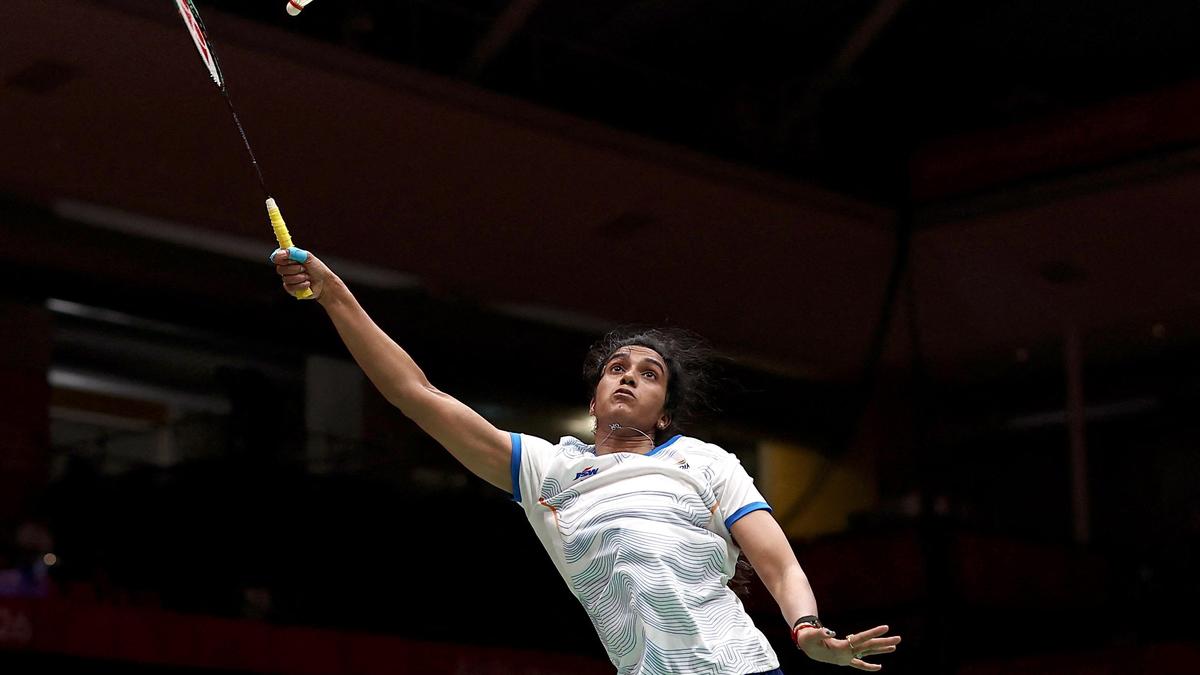
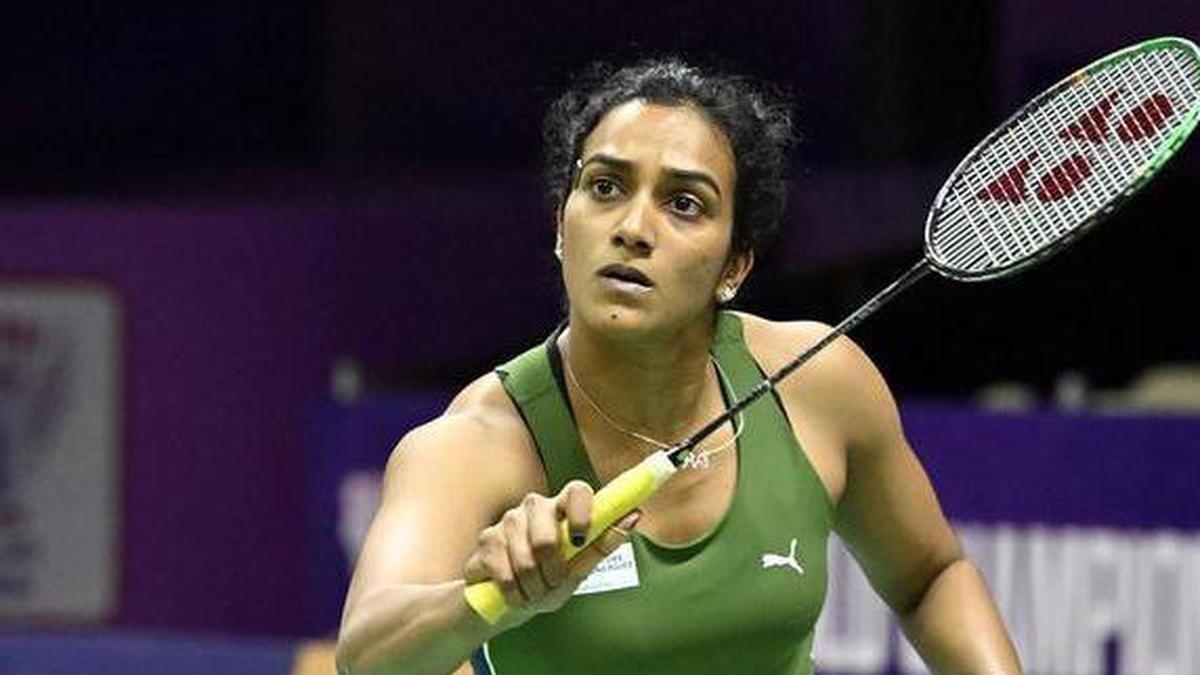
India’s two-time Olympic medallist PV Sindhu is through to the women’s singles semifinals at the French Open, delivering a controlled performance against Chiu Pin-Chian on Friday. Sindhu won 21-13, 21-14 at the Super 750 badminton tournament, showing the discipline and focus she said she had sharpened after a difficult opening-round match.
The result puts Sindhu one win away from the final and gives her another opportunity to challenge for a title she has yet to claim. She will face Japan’s Hina Akechi, who advanced after defeating Indonesia’s Putri Kusuma Wardani in the other quarterfinal. Sindhu said she would prepare for the next match without placing too much importance on her opponent’s identity: her priority, she explained, is to stay focused and give her full effort.
A First-Round Scare Became a Valuable Lesson
Sindhu’s route to the semifinals has included a reminder of how quickly momentum can shift in badminton. In her first-round match on Wednesday, she built a substantial advantage in the deciding game against Thailand’s Supanida Katethong, only to let her opponent back into the contest. Sindhu eventually secured the win after 64 minutes, but the close finish left her with a clear lesson.
“I’ve learned my lesson in the first round,” Sindhu said. She recalled that after taking the lead, she allowed Katethong to regain confidence and make the match difficult. From that point on, Sindhu was determined not to assume a contest was over simply because she was ahead on the scoreboard.
That mindset was evident in her next two matches. On Thursday, she beat Japan’s Riko Gunji 21-12, 21-16 in the round of 16. Against Chiu in the quarterfinal, she again maintained her concentration, closing out both games without allowing the match to become a prolonged battle.
Staying Present, One Point at a Time
Sindhu said she made a conscious effort to keep competing even when rallies or points did not go her way. Rather than dwell on a mistake, she focused on what she could do next. Her approach reflects a central challenge in elite badminton: players must quickly reset between points, because a brief lapse in concentration can change the rhythm of a game.
“I kept telling myself it’s okay, focus on the next point,” she said. “So I just kept fighting the next point.” That simple instruction helped her remain patient and avoid treating a lead as a guarantee of victory. In a tournament where matches can turn on a handful of rallies, the ability to recover mentally can be as important as movement, timing and shot selection.
Sindhu also highlighted the value of her coach’s guidance from the sidelines. Although the coach appeared frustrated at moments during the match, she described his role as helping her settle, identify mistakes and remember that there was always another point to play.
“The communication between a coach and a player is very, very important,” Sindhu said. The exchange, she suggested, is not only about technical instructions. A coach can help a player manage emotions, adjust tactics and stay composed when pressure rises—particularly in the later stages of a major badminton tournament.
Chasing a First French Open Title
The French Open remains a significant target for Sindhu. She has not won the tournament, and her previous semifinal appearance came years ago at a different venue. Reaching the last four this week therefore gives the Indian star a chance to make a fresh run at the title, while also building momentum after an early exit at last week’s Denmark Open.
Sindhu acknowledged that winning in France would be special but was careful not to look beyond the next match. “It would be wonderful if I win here, and I’m really hoping for it,” she said. “Of course, it’s not over yet. I need to go back, recover well for tomorrow and come back stronger.”
That focus on recovery is especially important in a demanding Super 750 event, where players may have limited time between matches. Rest, hydration, physical treatment and preparation all contribute to performance, particularly for athletes who must cover the full court and sustain repeated high-intensity exchanges. Sindhu’s ability to recover well could be a key factor as she pursues a place in the final.
What to Expect in the Semifinal
Sindhu’s semifinal opponent, Hina Akechi, earned her place in the last four by beating Putri Kusuma Wardani. With the matchup confirmed, Sindhu will now turn her attention to studying Akechi’s game and preparing for the different challenges she may present. The Indian player had already made clear that her preparation would not depend on who advanced: she intended to focus on her own performance and bring full commitment to the court.
For Sindhu, a successful approach to big matches requires both physical readiness and mental strength. She said players must be prepared for long rallies and develop a plan based on understanding an opponent’s style. At the same time, she stressed that preparation cannot begin only when the knockout rounds arrive.
“Every match is important, from the first point and from the first round,” she said. That principle has shaped her response to the opening-round scare. Instead of allowing the close finish to undermine her confidence, she used it to sharpen her attention and improve her match management.
A Test of Focus as the Tournament Intensifies
With a semifinal place secured, Sindhu’s French Open campaign has gained momentum. Her straight-games win over Chiu showed the benefits of staying patient, while her comments revealed how deliberately she has approached the tournament after learning from an earlier near-slip.
The next challenge will demand the same balance: aggressive badminton when opportunities arise, careful recovery between rallies and steady concentration when the score becomes tight. Sindhu is not taking anything for granted, but her recent performances have put her in a strong position to pursue a long-awaited French Open final—and, potentially, a first title in Paris.