
P.V. Sindhu Reaches French Open Semifinals with Commanding Win
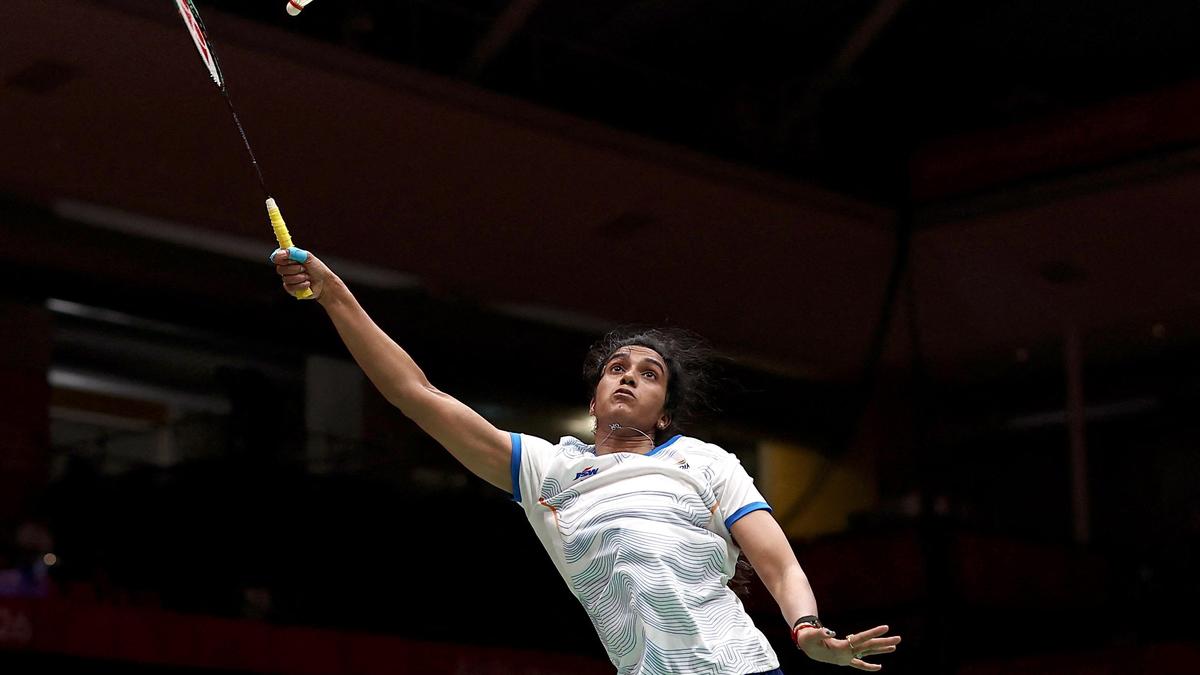
India’s P.V. Sindhu advanced to the women’s singles semifinals at the French Open 2026, defeating Chinese Taipei’s Chiu Pin-Chian in straight games on Friday. The double Olympic medallist secured a 21-13, 21-14 victory, producing a composed performance that underlined her growing control of the tournament.
Sindhu established her authority early, using her attacking strength and court coverage to keep Chiu under pressure throughout the opening game. She took the first 21-13, then carried that momentum into the second, racing to an 11-2 lead at the interval. Chiu attempted to narrow the gap after the break, but Sindhu remained steady and closed out the match 21-14.
The result sends Sindhu into the last four of one of badminton’s major international events and gives her another opportunity to build momentum on the BWF World Tour. Her performance was particularly convincing after a more demanding path through the earlier rounds, where she had to manage both a difficult opponent and a sudden shift in match momentum.
A Strong Response After a Testing Earlier Round
Before facing Chiu, Sindhu earned a place in the quarterfinals with a straight-games win over Japan’s Riko Gunji. She prevailed 21-12, 21-16 in 44 minutes, combining her familiar attacking game with disciplined shot selection. The victory was a useful step forward, allowing her to progress without being drawn into a deciding game.
Her opening match, however, proved far more dramatic. Sindhu overcame Thailand’s Supanida Katethong 21-14, 8-21, 23-21 in a contest that swung sharply in both directions. After comfortably taking the first game, Sindhu lost control in the second as Katethong raised her pace and levelled the match.
The decider brought an especially tense finish. Sindhu moved within two points of victory but then surrendered 11 consecutive points, allowing Katethong to turn the contest into a genuine test of nerve. Sindhu eventually recovered and edged the game 23-21, showing the resilience needed to survive a match that could easily have gone either way.
That escape may prove valuable as the tournament advances. In elite badminton, the ability to reset after a difficult spell can be as important as speed or power. Sindhu’s response against Chiu suggested she had put the earlier wobble behind her, returning to a more controlled rhythm and limiting the opportunities available to her opponent.
Hina Akechi Awaits in the Semifinal
Sindhu’s next challenge is Japan’s Hina Akechi, a left-handed player who has earned a reputation for tactical discipline and patience in extended rallies. Akechi booked her semifinal place by defeating Indonesia’s Putri Kusuma Wardani 21-17, 21-18 in the quarterfinals.
The Japanese shuttler has also made an impression on the international circuit. A former junior world No. 1, Akechi claimed her first BWF World Tour title at the Syed Modi International in November last year. Her progress reflects the depth of emerging talent in women’s badminton, where younger players are increasingly capable of challenging established stars with consistency and carefully constructed tactics.
Akechi’s left-handed style could create different angles for Sindhu to manage, while her willingness to extend rallies may test the Indian’s patience. Rather than relying solely on power, Akechi is known for making opponents work for openings, varying her placement and waiting for chances to take control. Sindhu will need to balance aggression with accuracy, choosing the right moments to attack rather than forcing winners too early.
What Sindhu Must Do to Reach the Final
The semifinal is likely to hinge on how effectively Sindhu can dictate the pace. Her height, reach and ability to strike steeply from the back court remain major weapons, particularly when she can move an opponent away from the centre of the court. Against a patient defender, however, she may need to build points with a mix of clears, drops and smashes instead of trying to finish every rally quickly.
Keeping errors under control will also be important. Akechi’s rally tolerance could turn rushed shots into opportunities for the Japanese player, especially if Sindhu becomes impatient. The Indian’s performance against Chiu offered encouraging signs: she maintained her lead, responded to a brief fightback and closed the match without allowing the contest to become prolonged.
At the same time, Sindhu can draw confidence from her recovery against Katethong. Although the match exposed a difficult loss of momentum, she found a way to regroup in the deciding game. That experience could help if the semifinal becomes tight, where composure during crucial points often determines the outcome.
A Significant Opportunity at the French Open
Reaching the semifinals gives Sindhu a strong platform at the French Open, but the challenge is now set to intensify. A place in the final would require her to overcome an opponent with a contrasting game: less dependent on outright power and more focused on patience, placement and tactical control.
For badminton fans, the matchup promises an intriguing contest between Sindhu’s attacking experience and Akechi’s measured approach. Sindhu has shown that she can win efficiently, as she did against Gunji and Chiu, while also surviving a high-pressure battle. If she can combine those qualities—assertive attacking, disciplined rally construction and calm decision-making—she will have a strong chance of advancing to the French Open final.