
Michael Carrick Faces Growing Pressure at Manchester United After Poor Premier League Start
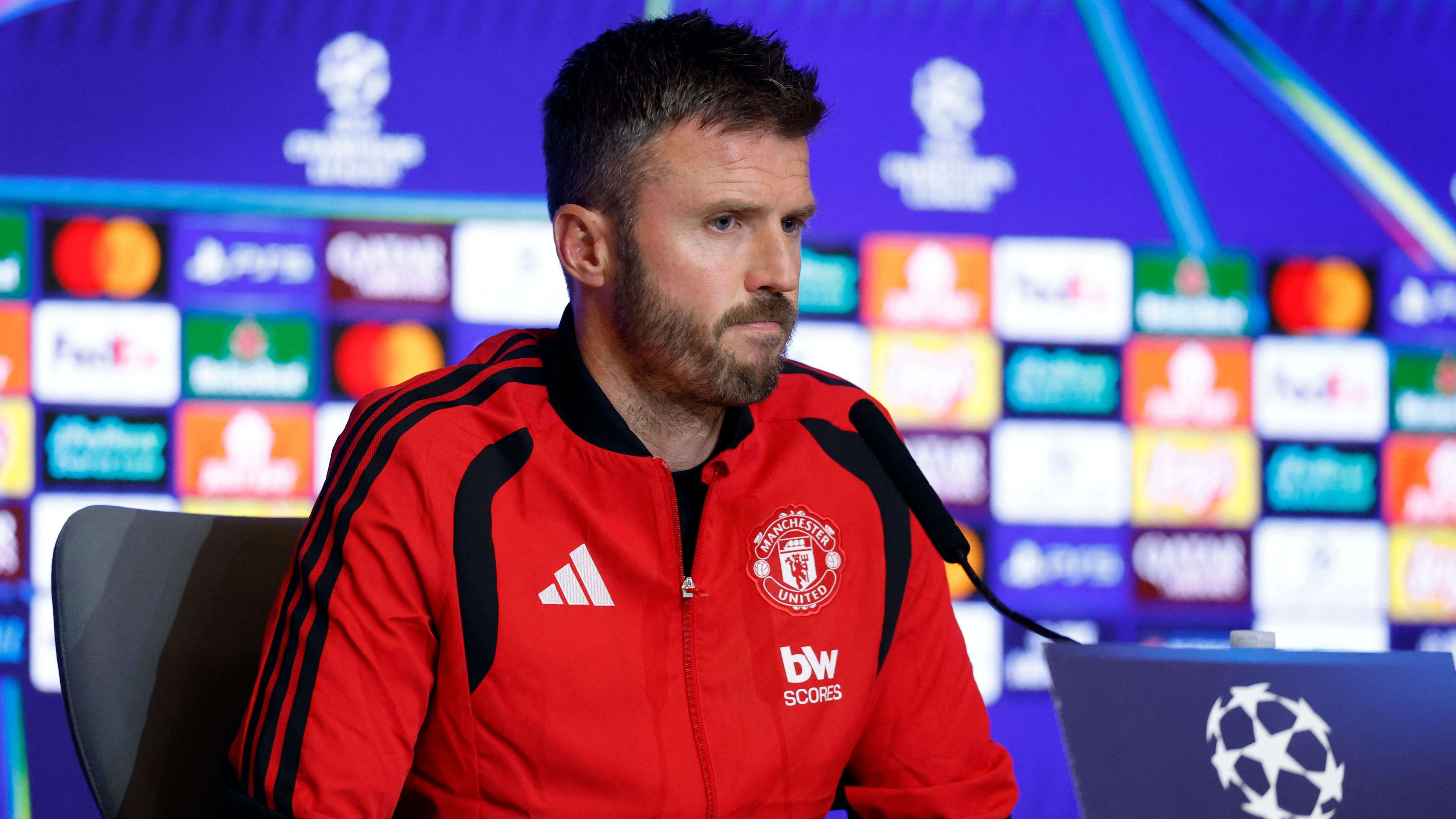
Michael Carrick is facing mounting scrutiny at Manchester United after a disappointing opening to the Premier League season left the club languishing in the bottom half of the table. Results have fallen short of expectations, and the early downturn has prompted questions about the team’s direction, the manager’s methods and whether he is the right person to lead the club through a demanding rebuilding period.
The pressure is especially significant at Old Trafford, where supporters expect Manchester United to compete near the top of English football. A slow start does not determine the outcome of an entire campaign, but a run of underwhelming performances can quickly intensify debate—particularly when the club is attempting to restore consistency after seasons of instability.
Results Put Carrick’s Position in the Spotlight
Manchester United’s position in the lower half of the standings has made every match more consequential. The league table is still taking shape, and there is time for a recovery, but the team needs to show clear signs of improvement. That means not only collecting points, but also producing performances that suggest Carrick has a workable plan and the players understand how to carry it out.
For a club with United’s ambitions, poor results rarely exist in isolation. They invite questions about tactical choices, player selection, squad balance and the atmosphere around the team. If the side continues to struggle, pressure is likely to build on both the manager and the football leadership responsible for constructing the squad.
Supporters will be looking for progress in several areas: greater defensive organisation, more control in midfield and a sharper attacking threat. United have often been judged not just on whether they win, but on whether their football appears purposeful. A team that loses while showing a coherent identity may retain patience; a team that looks uncertain can find that confidence in the manager’s project erodes much faster.
Reports of Initial Hesitation Add a New Dimension
Recent revelations that Carrick was initially hesitant about taking the Manchester United role have added another layer to the discussion. The reported reluctance has prompted fresh questions about his confidence in the opportunity and his readiness to accept the demands that come with managing one of the world’s most closely watched clubs.
However, hesitation before accepting a high-pressure job does not automatically indicate a lack of commitment. A manager may weigh the condition of the squad, the scale of the challenge, the expectations of the board and the level of support available before making a decision. In that sense, careful consideration can be a sign of realism rather than uncertainty.
What matters now is how Carrick performs in the role and whether the club’s decision-makers remain aligned with him. The reported reluctance is relevant because it fuels debate, but it cannot replace evidence from the pitch. Results, player development and the team’s response to setbacks will ultimately provide a stronger measure of his suitability.
Why the Manchester United Job Is So Demanding
Managing Manchester United involves more than preparing a team for the next fixture. The manager must contend with intense media attention, a passionate global fan base, historic expectations and constant comparison with successful eras at the club. Every tactical decision can become a major talking point, while a brief run of poor form can lead to speculation about the future.
The challenge is made harder by the need to balance immediate results with longer-term development. United cannot afford to ignore the league table, yet rebuilding a competitive squad often requires patience, careful recruitment and a consistent footballing strategy. If those goals are not clearly connected, the club risks moving from one short-term fix to another without establishing a stable identity.
Carrick’s task, therefore, is not simply to improve performances from week to week. He must convince players, supporters and club executives that the team is moving towards a credible plan. That may involve making difficult selection calls, adjusting the tactical approach or finding a more reliable structure that allows the squad’s strengths to emerge.
What United Need to Improve
The first priority is consistency. A strong performance followed by a flat display can leave the impression that the team is still searching for answers. United need to reduce avoidable mistakes, protect leads more effectively and show greater resilience when matches become difficult. Those details often determine whether a side turns a promising performance into points.
There is also a need for clearer balance between attack and defence. A team that commits too many players forward can leave space for opponents to exploit, while an overly cautious approach can limit creativity and make scoring harder. Carrick will need to find a structure that gives United attacking freedom without making them vulnerable in transition.
Player confidence is another important factor. When results are poor, individual errors can become more frequent and players may hesitate in situations where quick decisions are essential. A manager’s response—through communication, training and team selection—can help restore belief. United’s senior players will also be expected to set the tone and provide leadership during a difficult spell.
Premier League Prediction: Can Carrick Turn the Season Around?
Any prediction about Carrick’s future remains uncertain while the campaign is still unfolding. Manchester United have the resources and squad quality to climb the table, but potential alone will not be enough. The team must translate its talent into steady performances, and the manager needs to demonstrate that he can adapt when the original plan is not producing results.
A short-term improvement could ease the immediate pressure, particularly if United respond with a convincing run of performances against a demanding schedule. Yet one or two wins may not settle the wider questions unless they are supported by better organisation and a more dependable style of play. Conversely, continued struggles would likely increase calls for the club to reassess its leadership and long-term direction.
For now, Carrick’s position appears to be under scrutiny rather than conclusively decided. The Premier League season offers time to recover, but the margin for uncertainty at Manchester United is limited. The coming matches will be important not only for the points available, but also for what they reveal about the manager’s authority, the players’ response and the club’s confidence in its current project.
A Defining Period at Old Trafford
The combination of a poor start and reports of initial hesitation has created a challenging moment for Carrick. Still, the most meaningful verdict will come from the football itself. If United become more organised, competitive and consistent, the early doubts may fade. If results and performances continue to disappoint, questions about Carrick’s long-term suitability will become harder to avoid.
Manchester United’s immediate objective is clear: stop the slide and give supporters evidence that the season can be redirected. Whether Carrick can deliver that response may shape not only his future at Old Trafford, but also the club’s broader effort to regain stability and return to the Premier League’s leading positions.