
Ousmane Dembélé Injury Raises Fresh Questions After PSG’s 4-2 Win Over Barcelona
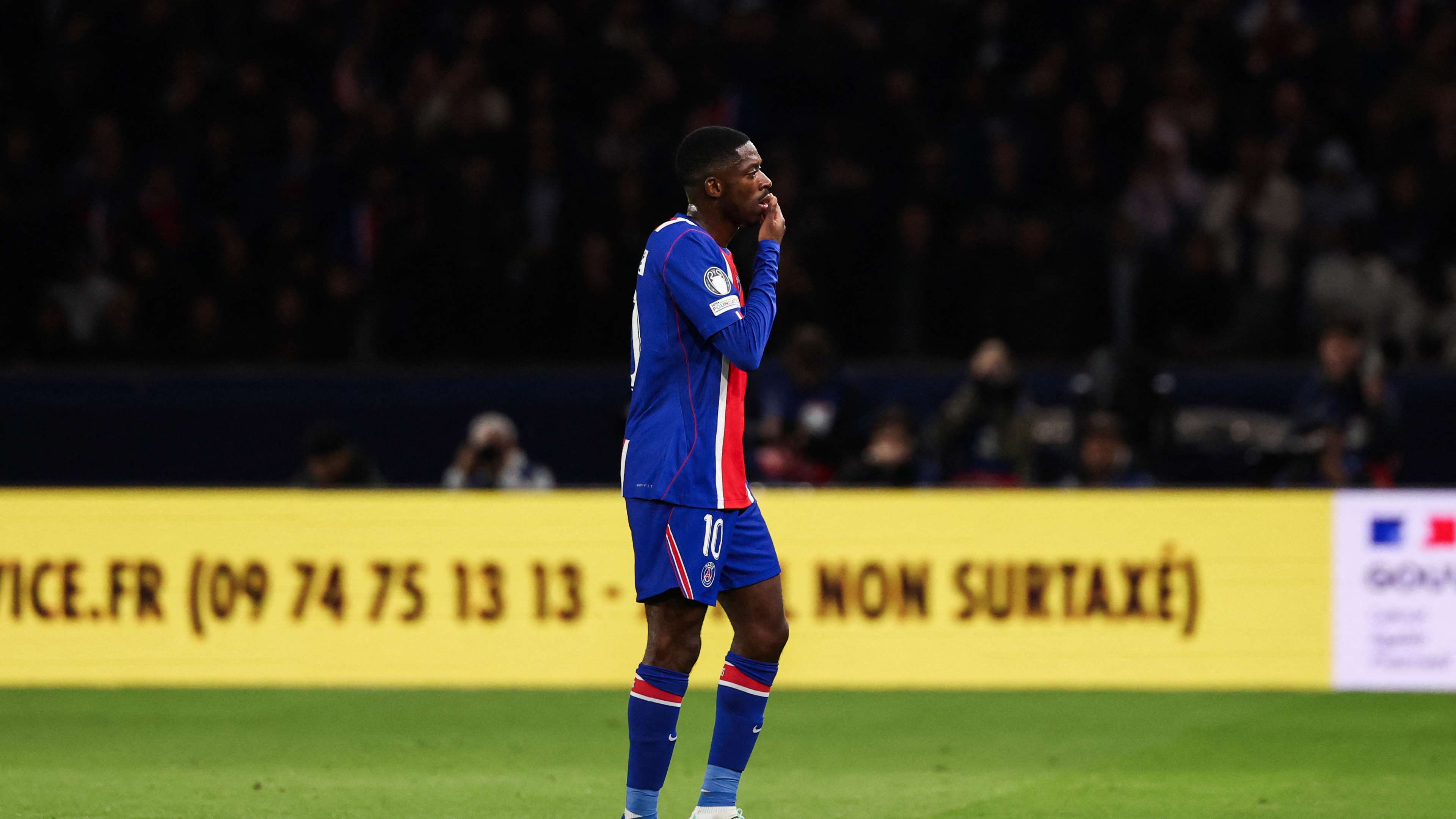
Paris Saint-Germain claimed another memorable 4-2 victory in the Champions League, overcoming Barcelona after previously beating Manchester City. Yet the result came with a worrying cost: Ousmane Dembélé left the pitch injured in the 19th minute, while Khvicha Kvaratskhelia and Marquinhos also suffered setbacks.
Dembélé’s early departure was the most concerning moment for PSG supporters. The French forward limped off before he had much chance to influence the contest, turning a major European win into a night of uncertainty. Initial expectations suggest he could miss around three matches, although the precise length of his absence will depend on medical assessments and how he responds to treatment.
Early Exit Casts a Shadow Over a Major European Result
PSG’s comeback and attacking display against Barcelona added valuable momentum to their Champions League campaign. Beating two high-profile opponents in succession is a significant statement, particularly at a stage of the season when results can shape confidence as well as qualification prospects. But injuries to three important players threaten to complicate the weeks ahead.
Dembélé’s injury is especially notable because of his importance to PSG’s attack. His speed, close control and ability to create chances from wide areas give the team a different dimension. He can stretch a defence, take on a full-back and help open space for teammates moving through the middle. Without him, coach Luis Enrique may need to adjust the front line or ask another player to provide similar width and one-on-one threat.
The timing is also significant. PSG have managed Dembélé’s playing time carefully since the start of the season, resting him on several occasions in an effort to keep him fresh. His latest setback therefore raises questions about whether workload management is enough to prevent injuries—or whether factors such as match intensity, recovery time and the demands of a congested schedule are also contributing.
What Dembélé’s Absence Could Mean for PSG
If Dembélé is unavailable for approximately three matches, PSG will need to find solutions across domestic and European competition. His absence could affect more than the team’s finishing. Dembélé often helps progress the ball, draw defenders out of position and create opportunities for others, so replacing his overall contribution may require a collective adjustment rather than a simple like-for-like change.
PSG have several attacking options, but each offers a different profile. A replacement might bring greater goal threat, more defensive discipline or a stronger ability to hold up the ball, while sacrificing some of Dembélé’s direct dribbling. The coaching staff will have to decide whether to maintain the same formation or alter the balance of the attack to make the most of the players available.
That tactical choice could influence PSG’s football prediction outlook for upcoming fixtures. A team can remain dangerous without a key winger, particularly when it has quality across the squad, but losing a player who unsettles opponents can change how rivals defend. Upcoming opponents may be more willing to press PSG’s build-up or concentrate their defensive attention on other attacking threats.
Kvaratskhelia and Marquinhos Add to PSG’s Injury Concerns
Dembélé was not the only player to leave the Barcelona match with an injury concern. Kvaratskhelia and Marquinhos also picked up problems, giving PSG’s medical team several situations to assess after an emotionally demanding European night. Their availability could be just as important when the club plans its next selection, depending on the seriousness of each issue.
Kvaratskhelia offers creativity and unpredictability in wide areas, while Marquinhos provides leadership and experience in defence. If either player is unavailable alongside Dembélé, PSG could face disruption in both attack and the back line. The club’s squad depth should help, but replacing established starters during a demanding run of fixtures is never straightforward.
For now, the key question is not only how many matches each player might miss, but how quickly they can return without risking a recurrence. Clubs often take a cautious approach when a player reports discomfort, especially during a season in which domestic and European commitments leave limited recovery time.
Workload Management Under the Spotlight
Dembélé’s injury has renewed discussion about how elite clubs manage players who combine explosive movement with frequent high-intensity actions. Wingers are regularly asked to sprint, change direction, accelerate past defenders and press aggressively. Even when their minutes are controlled, training demands and the accumulated strain of a long campaign can still affect their physical condition.
Resting a player can reduce exposure to match fatigue, but it does not guarantee that injuries will be avoided. Medical staff typically consider a range of factors, including recent minutes, training load, recovery indicators and a player’s individual history. The challenge is finding the right balance: keeping a key footballer sharp enough to perform while limiting the risk of overuse.
PSG’s approach to Dembélé will therefore be closely watched. The club may provide more information after further examinations, but until then, any estimate of his return remains provisional. Supporters and analysts will be looking for updates on whether the injury is minor and whether he can resume training quickly.
PSG’s Champions League Momentum Meets a Test
The 4-2 result against Barcelona remains a major boost for PSG, and the win over Manchester City adds to the sense that the team is building confidence against elite opposition. However, the latest injuries underline how quickly a successful European campaign can be affected by availability. Strong performances matter, but squad health often becomes decisive as the schedule intensifies.
PSG now face the task of protecting their momentum while assessing the condition of three influential players. Dembélé’s expected absence for around three matches would be a setback, but it does not automatically determine the outcome of the club’s next fixtures. The response from the squad—and the tactical choices made by the coaching staff—will be crucial.
For fans following Champions League football, the situation offers a reminder that even a convincing victory can bring difficult consequences. PSG have strengthened their campaign with back-to-back statement wins, but their next challenge is to maintain that level while managing injuries. Until medical updates confirm the recovery timelines, predictions for the team’s upcoming matches will need to account for uncertainty over Dembélé, Kvaratskhelia and Marquinhos.