
Besiktas Club in Turmoil as Resignation Drama Unfolds
The Turkish football club, Besiktas, finds itself embroiled in a dramatic crisis as a board member’s resignation was officially announced, only for the individual to vehemently deny the claims and threaten legal action.
The Resignation and Denial
Besiktas Sports Investments, Industry, and Trade Company released a statement via the Public Disclosure Platform (KAP) confirming the resignation of board member Faysal Ahmed Caglar. The statement read, “Mr. Faysal Ahmed Caglar, a member of our company’s board of directors, has resigned from his position as a board member as of 23 July 2026.”
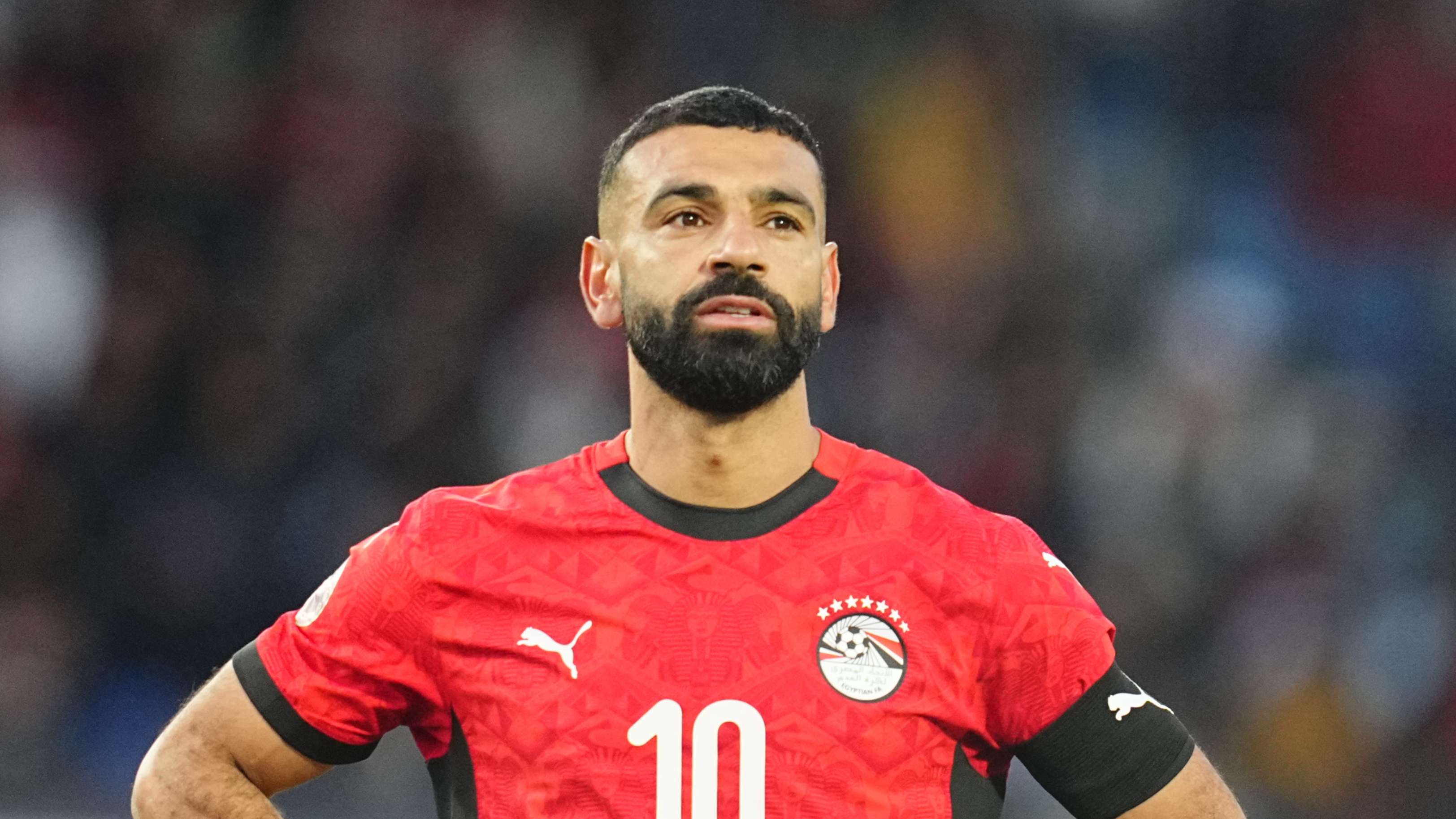
The timing of Caglar’s resignation is significant, as reports suggest it followed a controversial post made by him on the club’s social media accounts regarding Egyptian football star, Mohamed Salah. This incident reportedly led to Salah’s agent demanding higher financial compensation, causing friction within the club.
However, in a surprising turn of events, Caglar denied ever resigning from his position, labeling the club’s statement as false. He expressed his intention to pursue legal action to protect his rights, setting the stage for a heated dispute between the club and the board member.
Potential Legal Battle and Fan Reaction
The conflicting narratives surrounding Caglar’s alleged resignation have left Besiktas fans in a state of confusion and uncertainty. With an official announcement of his departure juxtaposed against his denial, the situation has escalated into a potential legal showdown between the club and the embattled board member.
The crisis comes at a crucial time for Besiktas, as they prepare for their upcoming Europa League Qualification match against FC Midtjylland on 31st July 2026. The unresolved turmoil within the club’s leadership could impact the team’s performance and overall stability going forward.
Impact on Besiktas and Future Predictions
The ongoing crisis at Besiktas has cast a shadow over the club’s operations and raised concerns about the management’s stability and decision-making process. The conflicting accounts regarding Caglar’s resignation highlight underlying tensions within the organization that could have far-reaching consequences.
As fans eagerly await the resolution of this dispute, the uncertainty surrounding Besiktas’ leadership raises questions about the team’s ability to navigate challenges effectively. The outcome of this situation could have a significant impact on the club’s future trajectory and performance on the field.
In conclusion, Besiktas faces a period of internal turmoil and uncertainty as the fallout from the disputed resignation of a board member unfolds. The resolution of this crisis will likely shape the club’s direction and prospects moving forward, with fans and stakeholders closely watching developments as they unfold.
Uncovering the Root Cause of the Conflict
While the public drama surrounding Faysal Ahmed Caglar’s resignation has captured headlines, the underlying reasons for the rift between the board member and Besiktas remain shrouded in mystery. Reports suggest that the controversy may stem from disagreements over the club’s transfer policies and financial decisions.
Sources close to the situation indicate that Caglar may have been at odds with the club’s leadership regarding the handling of transfer negotiations, particularly in light of the incident involving Mohamed Salah. The fallout from Salah’s agent’s demands may have exposed deeper divisions within Besiktas’ management structure, leading to Caglar’s purported resignation and subsequent denial.
The Role of Prediction Models in Football Transfers
In the world of football, transfer decisions can make or break a club’s fortunes. To navigate the complex landscape of player acquisitions, many teams turn to data-driven prediction models to assess potential signings and their impact on the squad.
By analyzing a player’s performance metrics, injury history, market value, and other relevant factors, clubs can make more informed decisions when entering into transfer negotiations. These prediction models offer valuable insights into a player’s potential contribution to the team, helping clubs like Besiktas optimize their transfer strategies and minimize risks.
Strategies for Overcoming Internal Turmoil
As Besiktas grapples with internal turmoil and leadership challenges, implementing effective conflict resolution strategies is crucial to restoring stability within the club. Open communication, transparency, and mediation efforts can help bridge the gap between conflicting parties and pave the way for a resolution that benefits all stakeholders.
Moreover, cultivating a culture of collaboration and mutual respect within the organization can prevent future conflicts from escalating and damaging the club’s reputation. By fostering a positive work environment and prioritizing teamwork, Besiktas can enhance its resilience in the face of adversity and emerge stronger from the current crisis.
Looking Ahead: Building a Sustainable Future for Besiktas
Despite the current challenges facing Besiktas, the club has an opportunity to turn the tide and chart a course towards a more stable and successful future. By addressing underlying issues, fostering a culture of accountability and transparency, and leveraging data-driven insights in transfer decisions, Besiktas can position itself for long-term success on and off the field.
As the club navigates the aftermath of the resignation drama and prepares for upcoming matches, fans and stakeholders alike will be closely watching how Besiktas responds to the crisis and shapes its trajectory moving forward. By learning from this experience and implementing proactive measures, Besiktas can emerge stronger and more resilient than ever before.
Ultimately, the resolution of the conflict surrounding Faysal Ahmed Caglar’s resignation presents Besiktas with an opportunity to redefine its leadership dynamics, strengthen its decision-making processes, and build a sustainable future for the club. By embracing change and learning from past challenges, Besiktas can set the stage for a new era of success and growth in Turkish football.