
Cesc Fabregas Turns Como Into a European Force—and a Rising Coaching Name
Cesc Fabregas has made one of the most remarkable coaching impacts in European football, transforming Como from a modest Italian club into a side competing near the top of Serie A and making waves on the continental stage. In just a few years, the former Barcelona, Arsenal and Chelsea midfielder has helped reshape the club’s ambitions—and put himself in the conversation about some of Europe’s biggest managerial jobs.
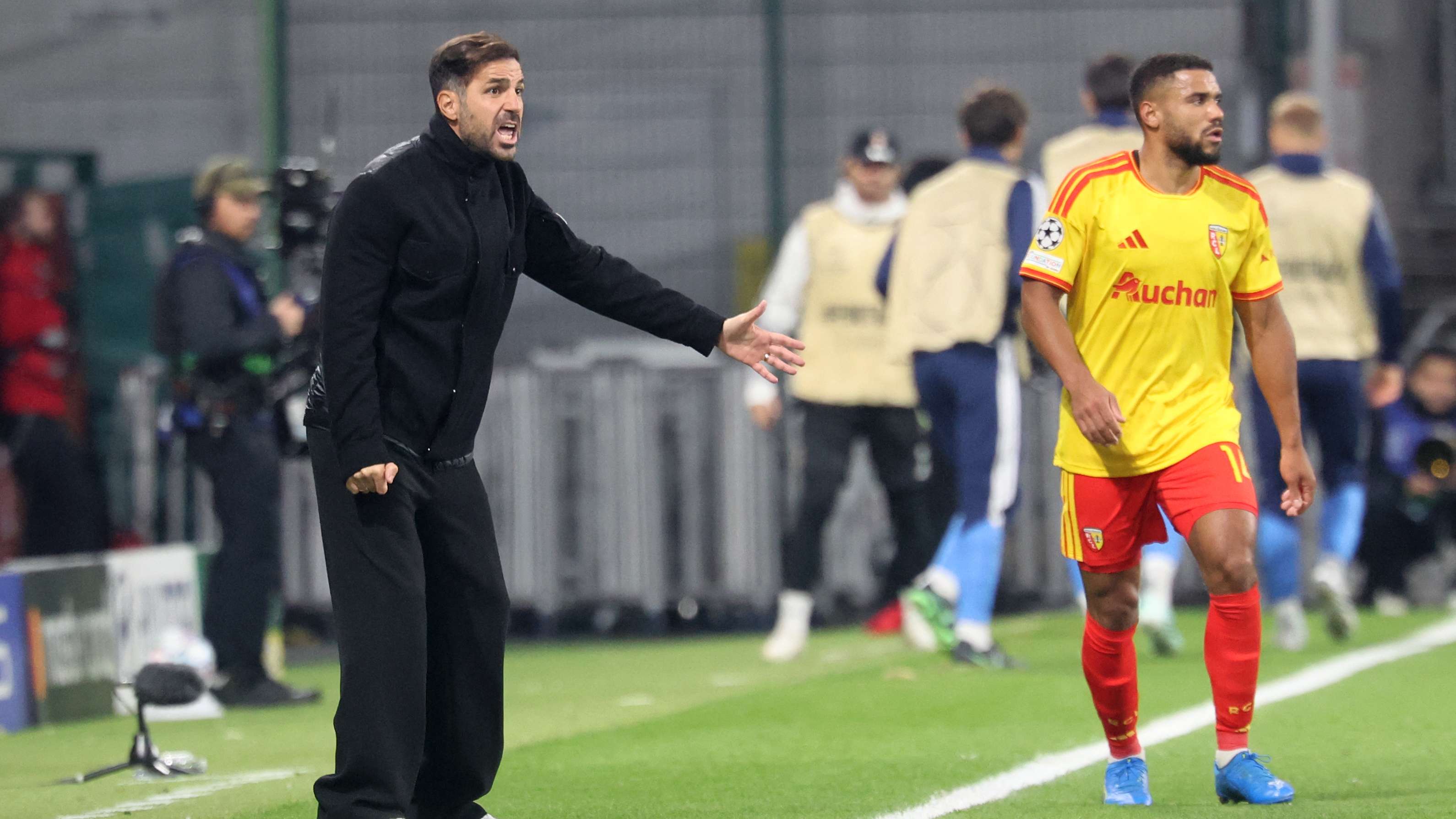
Como’s rise has been swift. After finishing tenth in their first Serie A season following promotion, the team climbed to fourth the following campaign, earning a place in the UEFA Champions League. Their European performances have added further momentum: a 4-1 victory over Manchester United was followed by a stunning 9-1 away win against Lens. Those results placed Como fourth in the competition standings and brought qualification for the knockout rounds within reach.
From Como’s youth team to the Champions League spotlight
Fabregas’s journey at Como began in July 2023, when he took charge of the club’s under-19 side. His first-team opportunity came only a few months later. Appointed on an interim basis, he helped guide the senior squad through a period of transition before joining Osian Roberts’s coaching staff as an assistant.
That experience proved an important step in his development. Fabregas was involved as Como secured promotion to Italy’s top division, giving him a close-up view of the club’s structure, players and expectations. In July 2024, he was appointed head coach on a permanent basis and given the chance to build a team in his own image.
The progress since then has been striking. Como’s tenth-place finish established them as a credible Serie A side, but their subsequent rise to fourth showed that the club could compete for far more than survival. Their football has also attracted attention: the team’s bold attacking displays and ability to produce big results have made them one of the season’s most compelling stories.
A coaching identity shaped by elite playing experience
Fabregas arrived in management with an unusually rich playing background. He came through Barcelona’s famed La Masia academy, became a Premier League star with Arsenal and later won major honours with Barcelona and Chelsea. He also represented Spain during one of the country’s most successful international eras.
That experience does not guarantee success on the touchline, but it gives Fabregas a deep understanding of different football cultures, dressing rooms and tactical approaches. At Como, the challenge has been to translate that knowledge into a clear team identity while helping players adapt to the demands of Serie A and European competition.
The results suggest that the project is working. Como’s performances against Manchester United and Lens offered a vivid demonstration of their attacking potential, while their league position reflects consistency across a longer campaign. For supporters, the combination of entertaining football and tangible progress has created a sense that the club’s ambitions are no longer merely aspirational.
Could Barcelona or another former club make a move?
Como’s success has inevitably prompted speculation about Fabregas’s future. Barcelona is one possible destination, given his connection to La Masia and his history with the club as a player. British newspaper The Sun has reported that his name could be considered as a potential successor to Hansi Flick if the German coach’s tenure were to falter.
Such talk remains speculation rather than confirmation of a formal approach. Barcelona’s managerial decisions would depend on results, timing and the club’s broader sporting plans. Still, Fabregas’s achievements at Como make it understandable that his name is attracting attention. A coach who has taken a newly promoted side into the Champions League conversation is likely to be monitored by clubs seeking an ambitious, modern manager.
Arsenal and Chelsea could also be mentioned if either club has a vacancy in the future. Fabregas has strong ties to both London sides, having played key roles in their histories, but a return to a former club would bring its own pressures and expectations. His reported decision to reject an offer from Inter Milan last summer also indicates that he may be selective about his next step.
Why Como may be difficult to leave
Even if interest from elite clubs grows, persuading Fabregas to leave Como may not be simple. His relationship with the club goes beyond his position on the touchline. He joined Como as a player in 2022 and later became a minority shareholder, giving him a personal and financial stake in the project.
That ownership connection could make his future decisions more complex than those of a coach with no ties to the club. Como have offered him the opportunity to shape a team and a wider sporting project, while the club’s rapid progress gives him a platform to continue developing as a manager. Leaving now would mean stepping away from a transformation he helped create.
There are also practical questions for any potential suitor. Como would need to consider the timing of a departure, the terms of his ownership stake and the challenge of replacing a coach closely associated with the club’s rise. For Fabregas, remaining could provide valuable continuity, especially as Como pursue success in both Serie A and Europe.
What comes next for Fabregas and Como?
The next stage will test whether Como can turn their breakthrough into sustained achievement. A Champions League campaign brings greater visibility, but it also demands squad depth, careful player management and the ability to balance domestic and European fixtures. Maintaining a top-four position in Serie A is difficult even for established clubs, while knockout football can quickly expose weaknesses.
For Fabregas, those challenges represent an opportunity to strengthen his reputation. The early evidence is impressive: Como have improved rapidly, delivered memorable results and established themselves as a serious force in Italian football. Whether he eventually moves to Barcelona, Arsenal, Chelsea or another major club will depend on future openings and his own ambitions.
For now, the most compelling prediction is that Fabregas’s name will remain part of the conversation whenever a high-profile coaching role becomes available. Yet the story is not simply about a former Barcelona player being linked with famous clubs. It is about a young manager building an ambitious project at Como—and proving that a club outside Europe’s traditional elite can make a genuine impact on the biggest stage.