
UEFA Rejects FIFA’s Plan to Bring in Private Investors for Tournaments
World football is currently facing one of the most dangerous crises in its modern history. The UEFA’s recent decision to reject FIFA’s plan to involve private-sector investors in the ownership of its tournaments, especially the World Cup, has sent shockwaves throughout the football community.
A Historic Clash Looms
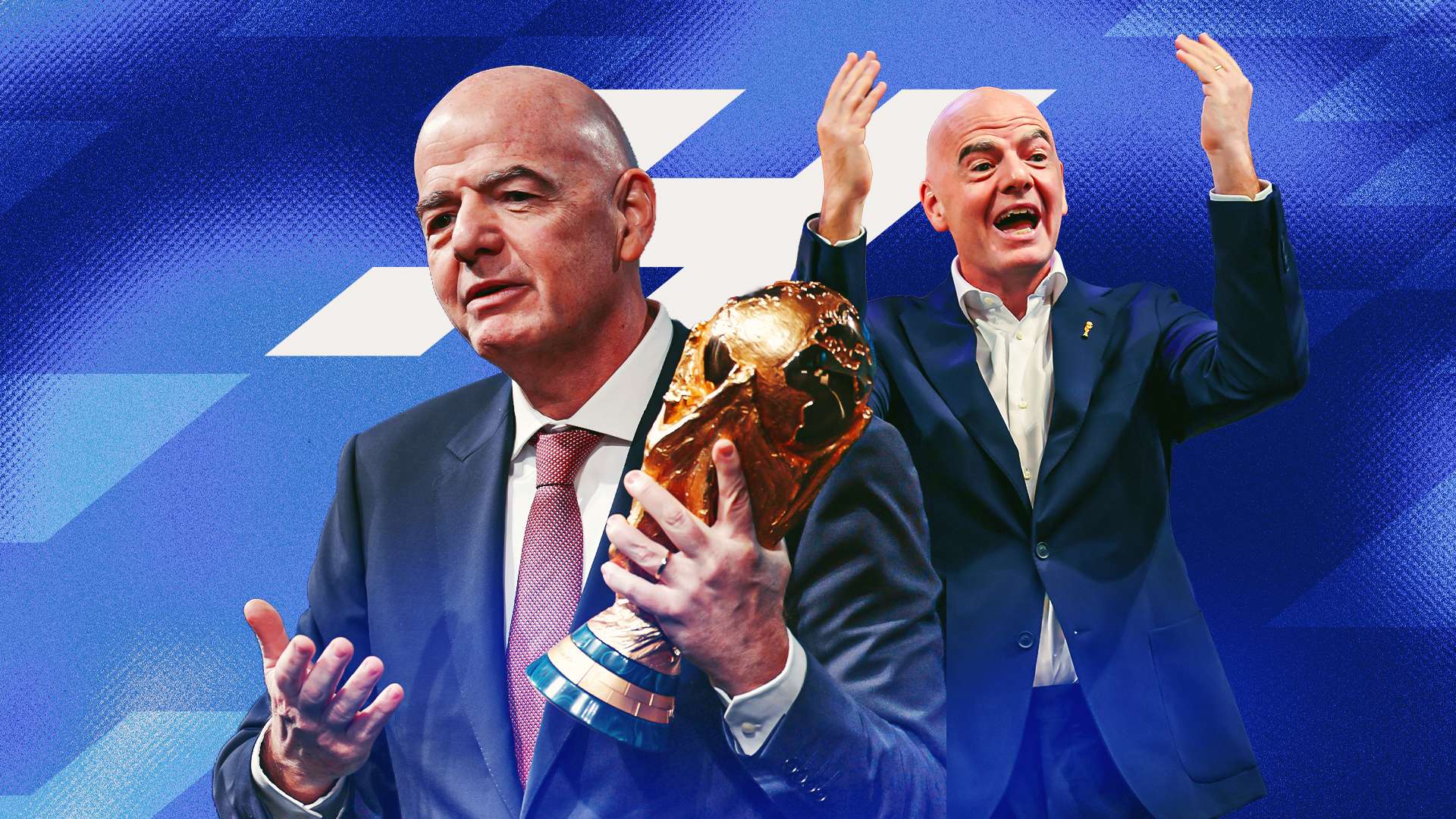
The rejection from UEFA is just the beginning of what could potentially lead to a historic clash between the two governing bodies. UEFA has even gone as far as threatening to boycott all FIFA tournaments if Gianni Infantino, the FIFA president, continues to push forward with his plan. This move could potentially reshape the future of the world’s most popular sport.
This unprecedented move by UEFA has put Infantino in the hot seat, facing the most serious test of his career since taking office. The governing body of European football made it clear with their statement, “Neither UEFA nor its national associations will take part in any of FIFA’s competitions.”
UEFA’s Firm Stance
The rejection by UEFA stems from Infantino’s proposal to sell a 20% stake in a new company that would oversee FIFA’s tournaments, with the World Cup being the focal point. This move has been met with strong opposition from UEFA, leading to the current standoff between the two organizations.
Infantino’s plan to bring in private investors has been met with skepticism and concern from various stakeholders within the football community. Many fear that such a move could compromise the integrity and values of the game, ultimately putting profits before the sport itself.
The Future of World Football Hangs in the Balance
As the standoff between FIFA and UEFA continues, the future of world football remains uncertain. The potential boycott of FIFA tournaments by UEFA could have far-reaching implications for the sport, impacting players, fans, and the overall landscape of football.
With both organizations standing their ground, the fate of the World Cup and other FIFA tournaments hangs in the balance. The clash between FIFA and UEFA represents a pivotal moment in the history of football, with the outcome likely to shape the direction of the sport for years to come.
It remains to be seen how this unprecedented crisis will unfold and what steps will be taken by both FIFA and UEFA to resolve the conflict. In the meantime, football fans around the world are left waiting anxiously for the next chapter in this unfolding saga.
Impact on Football Clubs and Players
One of the major concerns surrounding FIFA’s plan to involve private investors in tournaments like the World Cup is the potential impact on football clubs and players. Many clubs rely on international tournaments like the World Cup to showcase their talent, attract sponsors, and generate revenue. If UEFA follows through with its threat to boycott FIFA tournaments, clubs and players could suffer significant financial losses and missed opportunities for exposure on the global stage.
Additionally, players may face challenges in competing at the highest level if UEFA and FIFA cannot come to a resolution. The World Cup, in particular, is a pinnacle event for players from around the world, providing them with a platform to represent their countries and compete against the best in the sport. A boycott of the tournament could deprive players of this prestigious opportunity and impact their careers and legacies.
Global Football Landscape
The clash between FIFA and UEFA not only affects the two governing bodies but also has repercussions for the global football landscape as a whole. The World Cup is a unifying event that brings together nations and fans from all corners of the world. A boycott of the tournament could divide the football community and lead to significant disruptions in the sport’s calendar and competitive structure.
Furthermore, the potential fallout from the conflict between FIFA and UEFA could create rifts between different regions and football associations. The power struggle between the two organizations may influence alliances and relationships within the sport, impacting the way football is governed and regulated on a global scale.
Fan Engagement and Support
Football fans play a crucial role in the success and popularity of the sport. The uncertainty surrounding the future of FIFA tournaments could affect fan engagement and support for the game. A boycott of the World Cup by UEFA, for example, could lead to disillusionment among fans and a decline in viewership for one of the most-watched sporting events in the world.
Fans may also have to contend with the possibility of missing out on witnessing their favorite players and national teams compete at the highest level. The standoff between FIFA and UEFA has the potential to alienate fans and create a sense of division within the football community, impacting the overall experience and enjoyment of the sport.
Resolution and Way Forward
As the stalemate between FIFA and UEFA persists, the need for a resolution and a way forward becomes increasingly urgent. Both organizations must find a common ground and work towards a mutually beneficial agreement that upholds the integrity and values of football while also addressing the financial concerns and interests of stakeholders.
Dialogue and compromise are essential in overcoming the current impasse and preventing further escalation of the conflict. The future of world football hinges on the ability of FIFA and UEFA to navigate this crisis and find a sustainable solution that ensures the continued success and growth of the sport for generations to come.
Ultimately, the clash between FIFA and UEFA highlights the complexities and challenges of governing a global sport like football. The decisions made by these organizations in the coming days and weeks will have a lasting impact on the sport and its stakeholders, shaping the future of football in ways that are yet to be fully realized.