
French Open 2026: What India’s Badminton Campaign Revealed
India’s French Open campaign ended with one finalist and a familiar outcome. P.V. Sindhu reached her second BWF Super 750 final of the season, but world No. 1 An Se-young recovered from a slow start to win 16-21, 21-11, 21-12. The victory extended An’s unbeaten record against Sindhu to 11 matches.
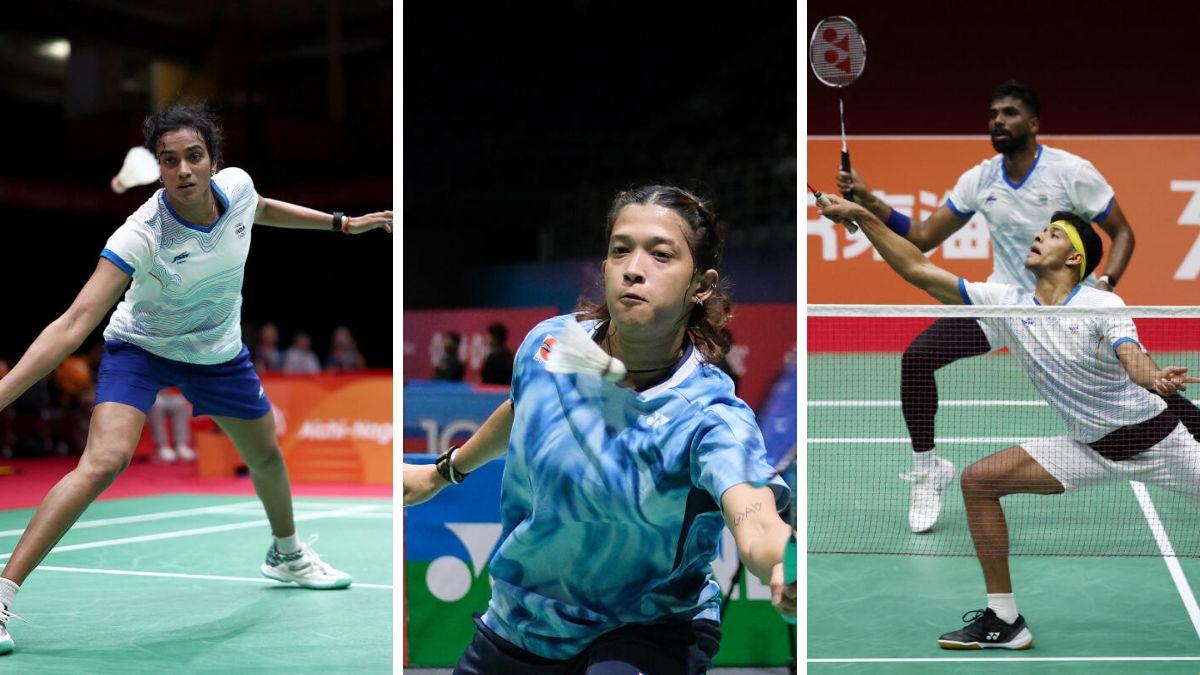
The final captured both the promise and the challenge facing Indian badminton. Sindhu showed she can still trouble the world’s best, while other Indian players produced encouraging breakthroughs, valuable experience and reminders of the small margins that decide matches at the highest level. Here is a closer look at the team’s week in Paris and the wider lessons from the tournament.
P.V. Sindhu: A strong start, but another final defeat
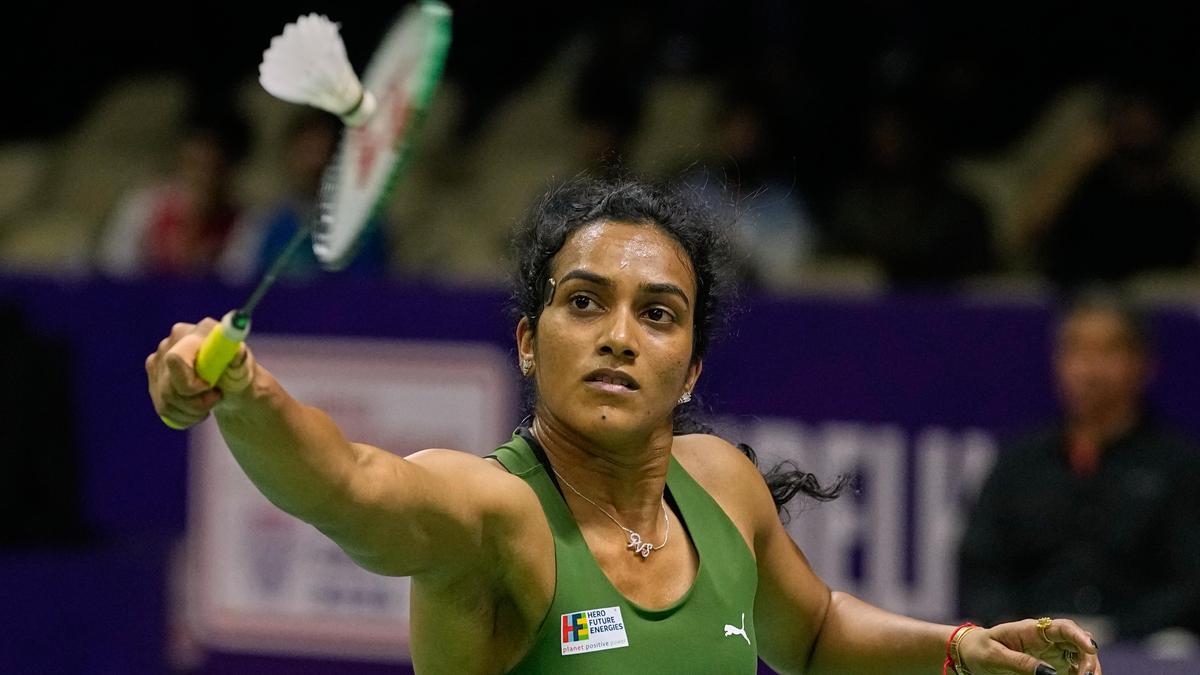
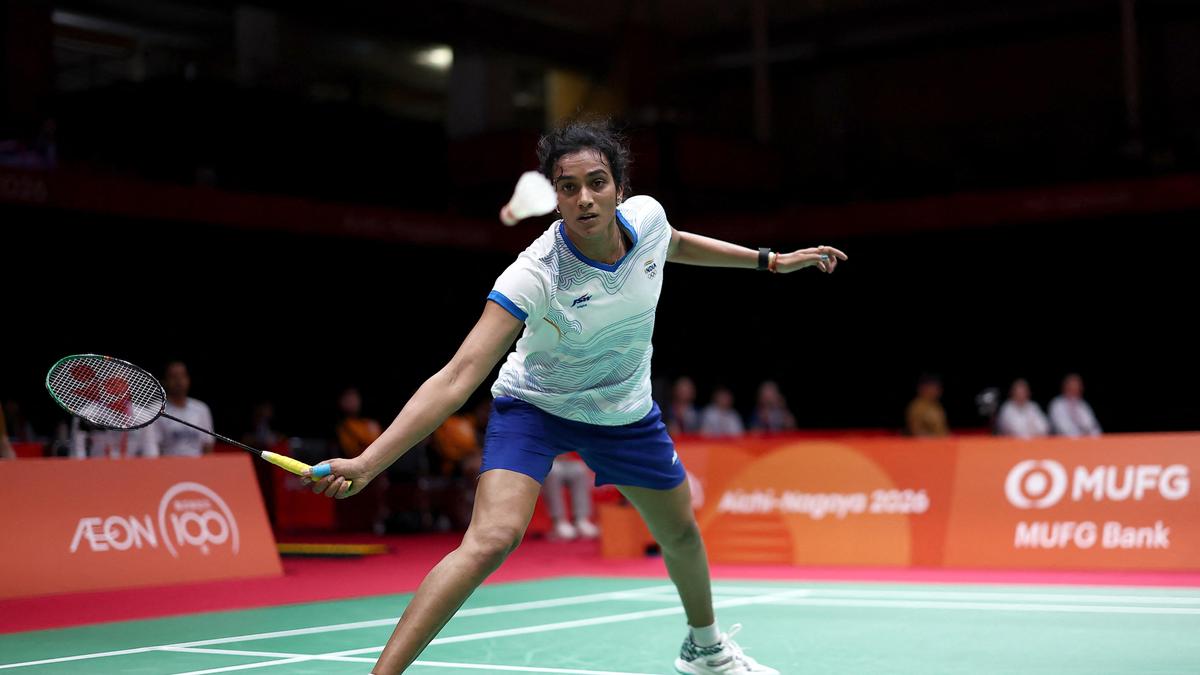
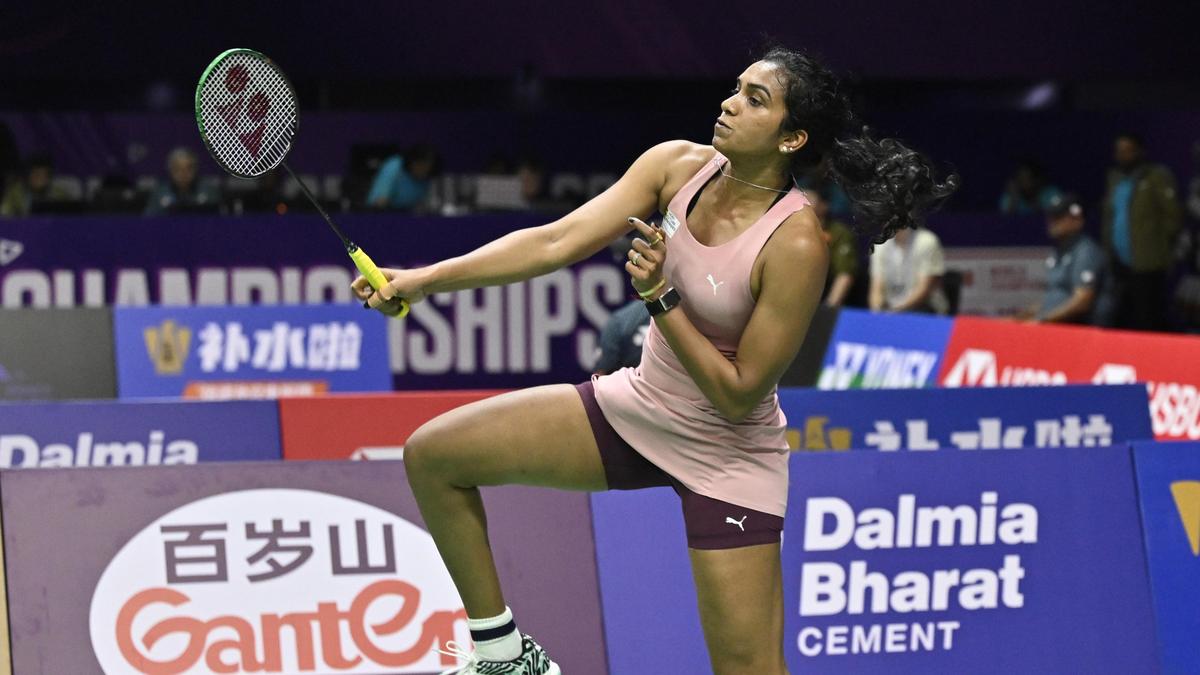
Sindhu’s French Open run reflected the rhythm of her season: flashes of commanding attacking play, followed by periods when controlling the match became more difficult. Her shoulders and movement often reveal the difference. When she is relaxed, she gets behind the shuttle early and can finish rallies with a powerful jump smash. When pressure builds, her footwork can become less fluid, and opponents gain opportunities to dictate the exchanges.
There have been plenty of positives this year. Sindhu reached the semifinals of the Malaysia Open in January and the Australian Open in June, then won the Japan Open Super 750 in Tokyo by defeating Japan’s Akane Yamaguchi. In Paris, she survived a difficult opening-round decider after letting a substantial lead slip, before moving past Riko Gunji and Chiu Pin-chian. She also had to respond after losing a game to Hina Akechi in the semifinal, tightening her play to reach the final.
Against An, Sindhu began with purpose. She kept the rallies short, attacked decisively and took the first game 21-16. The world No. 1 then adjusted, extending rallies and pressuring Sindhu’s returns. As the Indian’s shots became less precise, An seized control of the court and won the next two games 21-11 and 21-12.
The result underlined the gap Sindhu still needs to close against An, but the opening game offered a useful blueprint: take the initiative, protect the quality of the first attack and avoid allowing the world No. 1 to settle into a steady rhythm.
Ashmita Chaliha’s biggest statement
Ashmita Chaliha delivered one of the tournament’s most striking results by beating three-time world champion Akane Yamaguchi 21-19, 21-18. The win was a sign of how much her game has developed. Earlier in the season, her speed could sometimes look like a response to nerves. After winning the Korea Masters Super 300, however, she began using that pace more deliberately, creating pressure while choosing her shots rather than simply reacting.
That composure mattered against Yamaguchi, an opponent known for absorbing attacks and waiting for rivals to overreach. Chaliha kept her tempo, resisted the temptation to force winners and earned a place in the quarterfinals. Nozomi Okuhara ended her run there, but the upset and the quality of her performance made Paris one of the strongest weeks of Chaliha’s career.
Tanvi learns against the world No. 1
Tanvi Sharma’s game features cross-court drops, changes of pace and fearless play from the back of the court. Those tools helped her enjoy a strong week at the Taipei Open Super 300 in August. But her meetings with An Se-young at the Denmark Open and French Open showed how quickly elite players can read a pattern.
After beating Isharani Baruah in Paris, Tanvi lost to An 11-21, 14-21. Her early variations were met with equally quick responses. The next step is not simply to add more attacking options, but to disguise them: build the rally, move the opponent and reveal the surprise later. Against the very best, timing can be as important as shot selection.
Satwiksairaj Rankireddy and Chirag Shetty face a fitness test
Satwiksairaj Rankireddy and Chirag Shetty began the season strongly, including a run to the Thailand Open final. Their Singapore Open title in May, secured after a three-game win over Fajar Alfian and Muhammad Shohibul Fikri, ended a lengthy wait for a trophy. But Satwik’s shoulder problems forced withdrawals at the Indonesia Open and Japan Open, disrupting their momentum.
The pair still reached the World Championships quarterfinals and won the China Masters in September. Yet early exits at the Asian Games and Denmark Open meant they arrived in Paris short of their best rhythm. Against French favourites Toma Junior Popov and Christo Popov, the Indians lost the first game 19-21, fought back to level the match and then fell away in the decider, 13-21.
Their familiar formula remains potent: Satwik’s power creates openings, while Chirag looks to finish at the net. But that approach depends on movement, fitness and sustained pressure. The French Open was a short campaign, and a reminder that even a proven attacking partnership needs healthy bodies and enough match sharpness to make its first-strike game count.
Women’s doubles: World Championship promise meets a Paris setback
India’s women’s doubles pair built consistency through regular appearances at major events, including the India Open, All England and US Open. That experience helped them win bronze at the World Championships in August, becoming only the second Indian women’s pair to earn a medal at the event. Their quarterfinal run at the Denmark Open, where they pushed Malaysia’s Pearly Tan and Thinaah Muralitharan to three games, further showed that the medal was no fluke.
Paris brought an early exit, with Chinese Taipei’s Lin Chih-Chun and Yang Chu-Yun winning in straight games. The Indian pair’s attacking rhythm never fully settled. Their next challenge is to add another reliable route through rallies—such as flatter exchanges or a change of pace—so they can adapt when their preferred attacking pattern is blocked.
Ayush Shetty’s progress cut short by injury
Ayush Shetty arrived in Paris after a season that had elevated his standing in men’s singles. At the Badminton Asia Championships in Ningbo, he defeated Li Shi Feng, Jonatan Christie and world No. 1 Kunlavut Vitidsarn before taking silver behind Shi Yuqi. It was India’s first men’s singles medal at the championships in eight years.
He also beat reigning world champion Shi in the opening round of the World Championships, before losing to Alwi Farhan in the round of 16. Those landmark wins were supported by a demanding schedule and a series of solid tour results. In Paris, Ayush’s opening-round win over Kidambi Srikanth showed his tactical growth: after Srikanth took the first game with wristwork and disguise, Ayush used his height and reach to reduce the time available for those variations.
Unfortunately, an injury forced Ayush to retire against Kodai Naraoka in the next round. His campaign ended just as it appeared to be building, making recovery and workload management important priorities for the months ahead.
Other Indian results and the lessons from Paris
Lakshya Sen withdrew before his opening match, leaving little to assess from his French Open campaign. Devika Sihag lost a deciding game to Putri Kusuma Wardani after holding a lead, while Unnati Hooda also fell in a decider to Riko Gunji. Both results highlighted the challenge of converting promising positions into wins against opponents who can withstand pressure.
Isharani Baruah lost to Tanvi in the first round, and doubles players Rutaparna and Swetaparna Panda found the level of the main draw a step above their recent success in Lagos. These outcomes are part of the learning curve on the international badminton circuit, where a lead is only an opportunity until the final point is won.
Overall, the French Open offered India a mix of achievement and unfinished business. Sindhu reached another major final, Chaliha scored a career-defining win, and the doubles and singles campaigns revealed areas for tactical and physical growth. For India’s shuttlers, the next gains may depend less on dramatic changes than on consistency: maintaining footwork under pressure, varying attack patterns and staying fit through a crowded season.