
Irish Football Shake-Up: Training Postponed Amid Player-Federation Tensions and Geopolitical Concerns
In a surprising development that has sent ripples through the football community, the Irish national team’s training sessions have been abruptly postponed, raising questions about the future of upcoming matches and the broader team dynamic. This unexpected pause in preparations comes amid intense discussions between players and federation officials, highlighting underlying tensions and strategic disagreements within Irish football.
What’s Behind the Training Halt?
Sources close to the Irish Football Association (FAI) suggest that the decision to postpone training was not made lightly. It stems from a complex mix of player concerns, leadership decisions, and external geopolitical factors. The postponement comes at a critical juncture, just ahead of the Republic of Ireland’s upcoming fixture in the UEFA Nations League, where they are scheduled to face Israel.
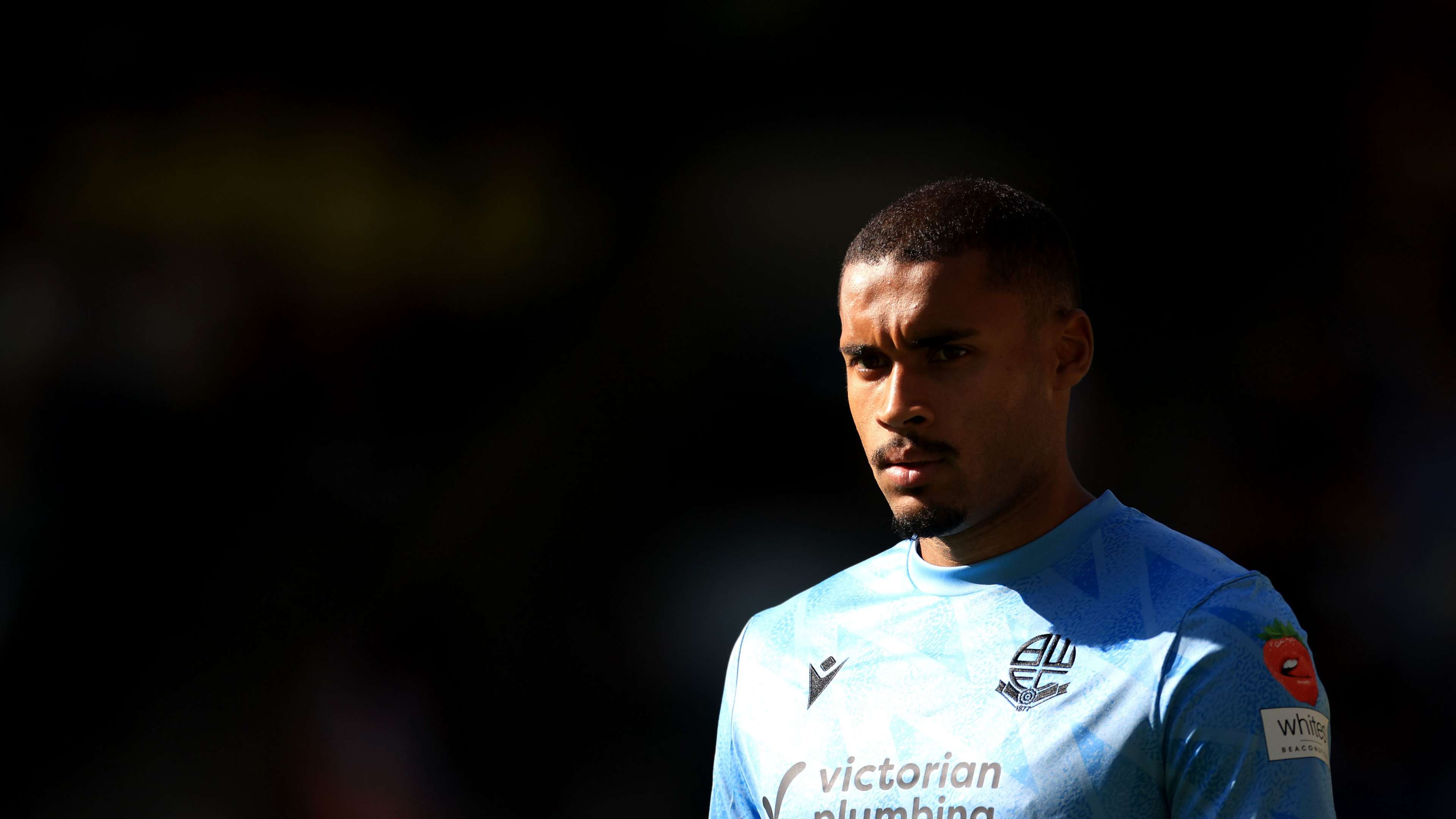
According to Daniel McDonnell, a seasoned football journalist with the Irish Independent, the pause in training is linked to a significant internal debate involving the national team’s leadership and key players. Central to this controversy is Gavin Bazunu, Ireland’s star goalkeeper and a pivotal figure in the squad’s defensive line.
Gavin Bazunu’s Stance: A Player’s Perspective on Geopolitical Issues
Reports indicate that Gavin Bazunu has expressed a personal reluctance to participate in the upcoming match against Israel, citing concerns rooted in the current geopolitical climate. The young goalkeeper, who has garnered widespread acclaim for his performances at both club and international levels, is reportedly advocating for a boycott or at least a reconsideration of playing in the fixture.
While the specifics of Bazunu’s stance remain private, his position has sparked a broader debate within the Irish football community about the intersection of sports and politics. Many players and fans have voiced support for Bazunu’s perspective, emphasizing the moral and ethical implications of participating in matches against nations embroiled in regional conflicts.
Implications for the Irish Team and Future Predictions
This internal conflict raises critical questions about the future of Irish football and its role on the international stage. Will other players follow Bazunu’s example and opt out of the upcoming fixture? The possibility of a collective boycott could have significant repercussions, including potential penalties from UEFA and the disruption of the team’s preparations.
From a strategic perspective, the postponement of training sessions could impact Ireland’s overall performance in the Nations League. Coaches and analysts will need to reassess their predictions for the team’s success in the tournament, considering the current unrest and the potential absence of key players.
The Broader Context: Football’s Role in Political and Social Movements
This situation exemplifies a growing trend where football players are increasingly using their platforms to voice social and political concerns. Across the globe, athletes are challenging traditional notions of neutrality, advocating for causes they believe in, and sometimes refusing to participate in matches that conflict with their values.
In the context of the Ireland-Israel fixture, the debate underscores how sporting events are not isolated from international issues. Fans and analysts are now paying closer attention to how teams navigate these sensitive situations, adding a new layer of prediction and uncertainty to football predictions for upcoming matches.
Expert Insights: What Could This Mean for Football Predictions?
Football experts and commentators are closely monitoring the situation, pondering how these internal conflicts might influence match outcomes. If key players like Bazunu choose to sit out, Ireland’s chances in the upcoming Nations League game could diminish, altering predictions and betting odds.
Furthermore, the strategic implications extend beyond individual matches. The ongoing debate could influence team cohesion, morale, and leadership, factors that are crucial for forming accurate football predictions in a competitive environment.
Looking Ahead: Potential Resolutions and Impact on Irish Football
While the current tension remains unresolved, there are hopes that dialogue between the players and federation officials will lead to a consensus. The Irish Football Association faces the challenge of balancing national integrity, player welfare, and international sporting commitments.
In the meantime, fans and analysts are advised to stay tuned for updates on the situation. The unfolding events could serve as a precedent for other national teams grappling with similar issues, emphasizing the evolving role of football in reflecting and shaping social values.
Conclusion: A Pivotal Moment for Irish Football and Beyond
The postponement of Ireland’s training sessions amid internal disputes and geopolitical considerations marks a pivotal moment in the sport’s history. It highlights how football, often seen solely as a game, intersects with broader societal issues and personal convictions of players. As the situation develops, the football prediction landscape for Ireland’s upcoming matches will inevitably be influenced by these unprecedented events.
Ultimately, this episode underscores the importance of dialogue, understanding, and strategic foresight in managing national teams facing complex external pressures. Whether this leads to a resolution or deeper divides, it will undoubtedly leave a lasting impact on Irish football and serve as a compelling case study for the global sporting community.