
Iraola Blames Naive Defending as Liverpool Fall 3-2 to Fenerbahce
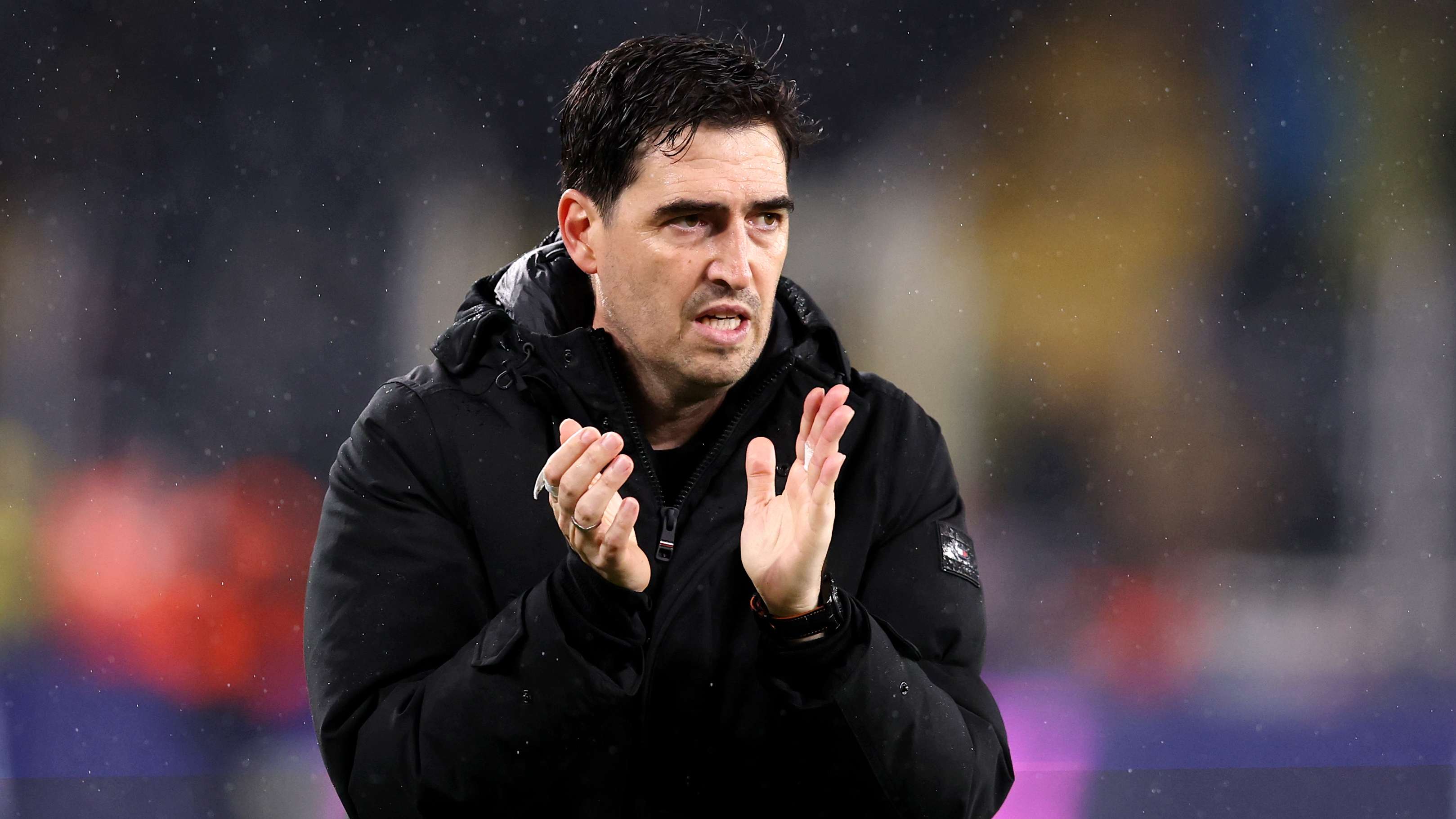
Liverpool manager Andoni Iraola did not hide his frustration after his side suffered a 3-2 defeat away to Fenerbahce in the fourth round of the Champions League league phase. The result ended Liverpool’s unbeaten start in the competition and left the coach questioning how his team had allowed three preventable goals to decide a fiercely contested match.
Speaking after Wednesday’s game, Iraola described the goals conceded as avoidable, calling them “naive” and “messy.” The Spanish coach pointed to the intense atmosphere at Fenerbahce’s home ground as a possible factor, saying communication between players was difficult and that it was almost impossible for him to get instructions across from the touchline.
Set Pieces Prove Liverpool’s Costly Weakness
For Iraola, the most troubling aspect of the defeat was not simply the number of goals Liverpool conceded, but how they arrived. Fenerbahce scored from a free kick, a corner and a long throw-in—three situations the visitors had identified as potential dangers before kick-off.
“We knew it was one of Fenerbahce’s strengths,” Iraola said, reflecting on the home side’s ability to threaten from dead-ball situations. The manager added that Liverpool had generally defended set pieces well in league matches, making the performance in Istanbul especially disappointing.
Fenerbahce’s goals highlighted the fine margins that can shape a Champions League fixture. A moment of poor marking, hesitation or confusion can quickly turn a manageable set piece into a scoring opportunity. Against a team comfortable using its physical presence and a charged home crowd, Liverpool were unable to maintain the organisation Iraola expected.
Noise, Pressure and Communication
The atmosphere at Fenerbahce’s stadium was another important element of the contest. Iraola said the noise made it difficult for players to communicate on the pitch and for him to deliver instructions from the sidelines. In high-pressure European matches, that can make clear defensive responsibilities even more important: players need to recognise danger and respond quickly without waiting for a shouted command.
However, the coach did not present the crowd as an excuse. His comments focused on Liverpool’s own mistakes and the need to learn from them. A hostile away environment can complicate a team’s work, but experienced sides are expected to stay composed, particularly when defending free kicks, corners and long deliveries into the penalty area.
Back-to-Back Defeats Raise Questions
The loss to Fenerbahce was Liverpool’s second defeat in a row, following a 1-0 home reverse against Arsenal. It also marked the third consecutive Champions League match in which the team had conceded three goals, a pattern that will concern Iraola as Liverpool look to recover their defensive stability.
Conceding regularly in Europe can put pressure on every part of a team’s game. Liverpool may be forced to chase matches more often, leaving space for opponents to counterattack and making it harder to control possession. The recent run therefore points to more than one bad night: it gives the coaching staff a clear area to address before the next round of fixtures.
Fenerbahce, meanwhile, earned a significant result by turning their strengths into decisive moments. Their success from three different set-piece situations showed the value of preparation and delivery, while the home crowd helped sustain pressure throughout the match. For Liverpool, the challenge now is to ensure that the defeat becomes a warning rather than the start of a longer slump.
Champions League Standings and What Comes Next
Fenerbahce handed Liverpool their first Champions League defeat of the season. Liverpool remain on nine points and sit eighth in the league-phase standings after the result. With the competition’s league phase placing added importance on every point, the club will be eager to respond quickly and protect its position as the table develops.
The next fixtures also offer Liverpool an opportunity to reset, although the schedule leaves little time for prolonged reflection. The team will need to balance recovery with focused work on defensive organisation, particularly when dealing with deliveries into the box. Iraola’s immediate priority is likely to be restoring confidence while making sure players understand their roles in crowded, noisy away matches.
Prediction: Liverpool Must Tighten Up at the Back
Any prediction about Liverpool’s next European performance depends on how quickly the side corrects its set-piece defending. The squad has shown it can compete at a high level, but recent results suggest that individual errors and lapses in organisation are costing too much. If Liverpool improve their communication and track runners more effectively, they should be better equipped to turn close contests in their favour.
Fenerbahce’s win will be remembered for its attacking resolve, but Liverpool’s response may prove just as important to the story of their Champions League campaign. Iraola’s blunt assessment makes the message clear: the goals were preventable, and the team must take responsibility. The coming matches will show whether Liverpool can convert that frustration into sharper defending and a more convincing return to form.