
Inter and AC Milan Secure Stadium Sponsorship Before Construction Begins
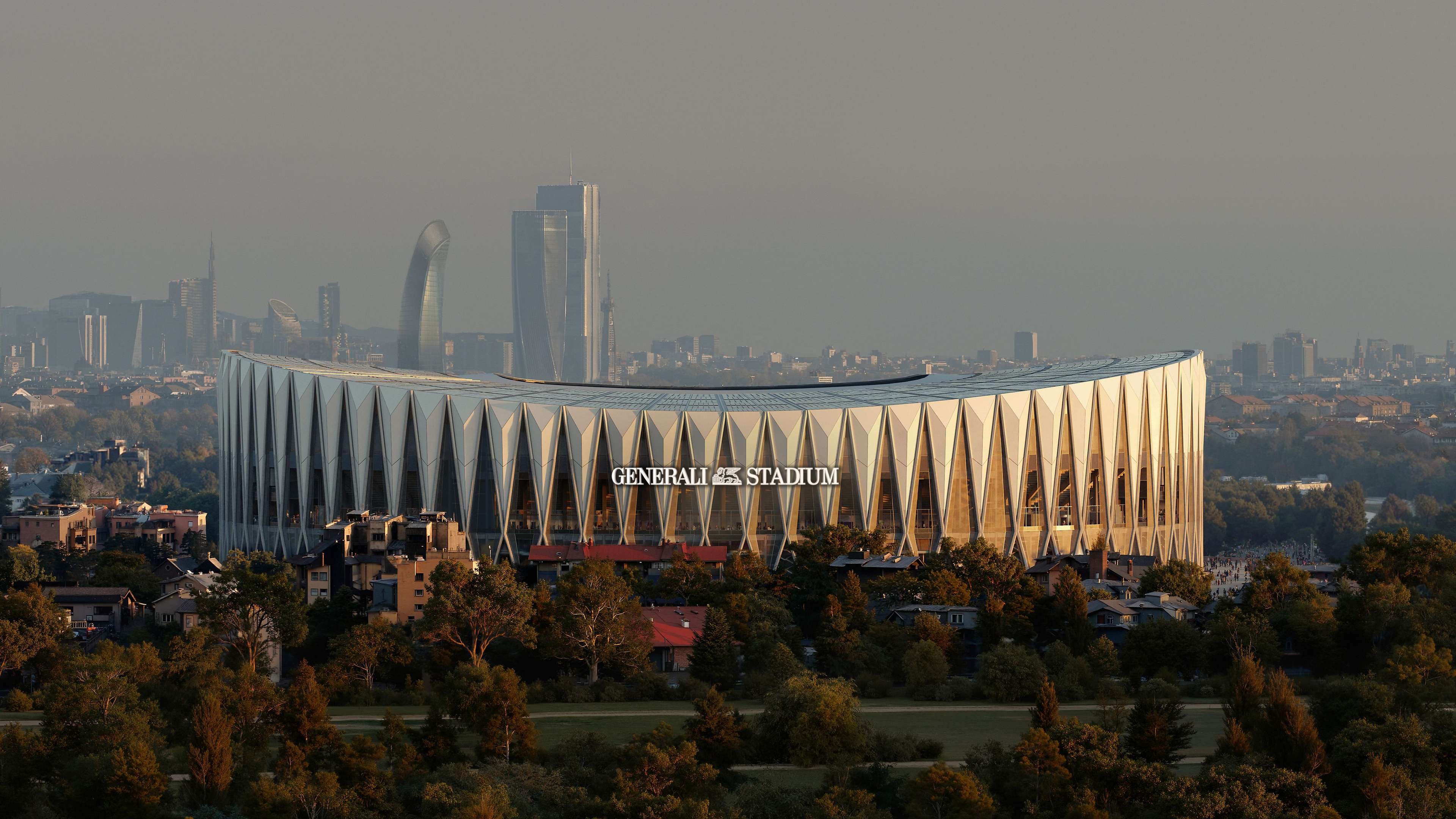
Inter and AC Milan have moved quickly to turn their proposed new home into a commercial opportunity. Just days after unveiling plans for a shared stadium, the two Serie A rivals have reportedly reached a financial agreement with Italian insurance company Generali, even though the venue remains at the concept and scale-model stage.
According to La Gazzetta dello Sport, Generali has agreed to support the project from its earliest phase. The arrangement signals that the proposed Generali Stadium is already attracting major business interest before construction has started—and before supporters have seen a finished design beyond the initial plans.
A Stadium Project Already Drawing Commercial Interest
Inter and AC Milan presented their stadium plans around 10 days ago, setting out a vision for a modern venue that would serve both clubs. The announcement was followed by a memorable moment on the pitch: AC Milan defeated Inter in a derby, adding an immediate sporting twist to an already busy period for the city’s football rivals.
The reported Generali agreement gives the project an early financial boost. Stadium sponsorship can involve more than placing a company’s name on a building. Depending on the final terms, a partnership may include branding, hospitality opportunities, community initiatives, promotional campaigns and visibility across club and stadium communications. The precise details of this agreement have not been made public, so it remains unclear which elements are included.
Even at this preliminary stage, the reported deal underlines how important commercial planning has become to large-scale football infrastructure. A new ground requires substantial investment, and clubs often seek partners well before opening day to help build a sustainable business model around the venue.
Why Early Sponsorship Matters
Securing a commercial partner before construction begins can help clubs demonstrate that the project has support beyond the football pitch. For Inter and AC Milan, a commitment from a prominent Italian insurer may strengthen the proposal’s profile as discussions continue over design, financing and delivery.
Early sponsorship can also help create a long-term identity for a stadium. Naming rights are among the most visible forms of sports marketing, connecting a company with matchdays, major events and the everyday life of a city. If Generali’s name remains attached to the venue, the company could gain repeated exposure whenever the stadium features in football coverage or hosts other events.
However, a commercial agreement does not mean that every planning, funding or construction question has been settled. The stadium is still a proposal rather than an operating venue, and major infrastructure projects typically involve multiple stages, including approvals, detailed design, financing arrangements and construction planning. The announcement is therefore best understood as an early business milestone—not confirmation that supporters will soon be entering a new ground.
Two Rivals, One Shared Stadium Vision
Inter and AC Milan are among Italy’s most prominent clubs, and their shared history has made the prospect of a joint stadium especially significant. The two sides compete fiercely on the field, but collaborating on infrastructure offers a different kind of opportunity: pooling resources and developing a venue intended to meet the needs of both organisations.
A shared stadium could create efficiencies in operations and help attract investment, while giving the clubs a platform to improve the matchday experience. Modern venues are increasingly designed to operate throughout the week, with hospitality, retail, food and beverage services, tours and non-football events contributing to revenue beyond ticket sales.
For supporters, the central questions will be practical as well as emotional. They will want to know how the proposed ground compares with the clubs’ current home, what the atmosphere will feel like, how seating and access will work, and whether the stadium’s design reflects the traditions of both teams. Those details will become clearer only as the project develops.
What the Deal Could Mean for the Clubs
Football finance has changed significantly in recent years. Clubs are under pressure to grow income from commercial partnerships, matchday operations and global audiences, rather than relying solely on television payments and player sales. A new stadium can support that strategy, but only if its costs, capacity and revenue opportunities are carefully balanced.
The reported Generali partnership may help Inter and AC Milan build momentum around the project and attract further commercial attention. It also shows that companies are willing to engage with a stadium concept before the first foundations are laid, particularly when the project is linked to clubs with large fan bases and international reach.
Still, the financial value and duration of the agreement have not been disclosed. Without those figures, it is too early to assess how much the partnership will contribute to the overall cost of the stadium or how it compares with other naming-rights deals in European football.
Stadium Prediction: What Happens Next?
The most reasonable prediction is that the project will continue to advance through planning and commercial negotiations before any firm construction timetable can be confirmed. Further announcements may clarify the stadium’s design, funding structure and the exact role of Generali. Until then, the sponsorship report represents an encouraging sign of business interest, but not a guarantee of a particular completion date.
For Inter and AC Milan, the challenge will be to turn an ambitious concept into a venue that works financially and earns the support of both fan bases. The derby result has already given the story an entertaining sporting backdrop, but the stadium’s long-term success will depend on decisions made away from the pitch: planning, investment, design and the quality of the experience offered to supporters.
For now, the proposed Generali Stadium exists chiefly in plans and a scale model. Yet the reported agreement suggests that its commercial future is being shaped before the building itself exists. If the project progresses as intended, Inter and AC Milan could eventually gain a modern shared home—and Generali could become part of one of Italian football’s most closely watched infrastructure stories.