
Paolo Di Canio Praises Milan’s Response After Europa League Setback
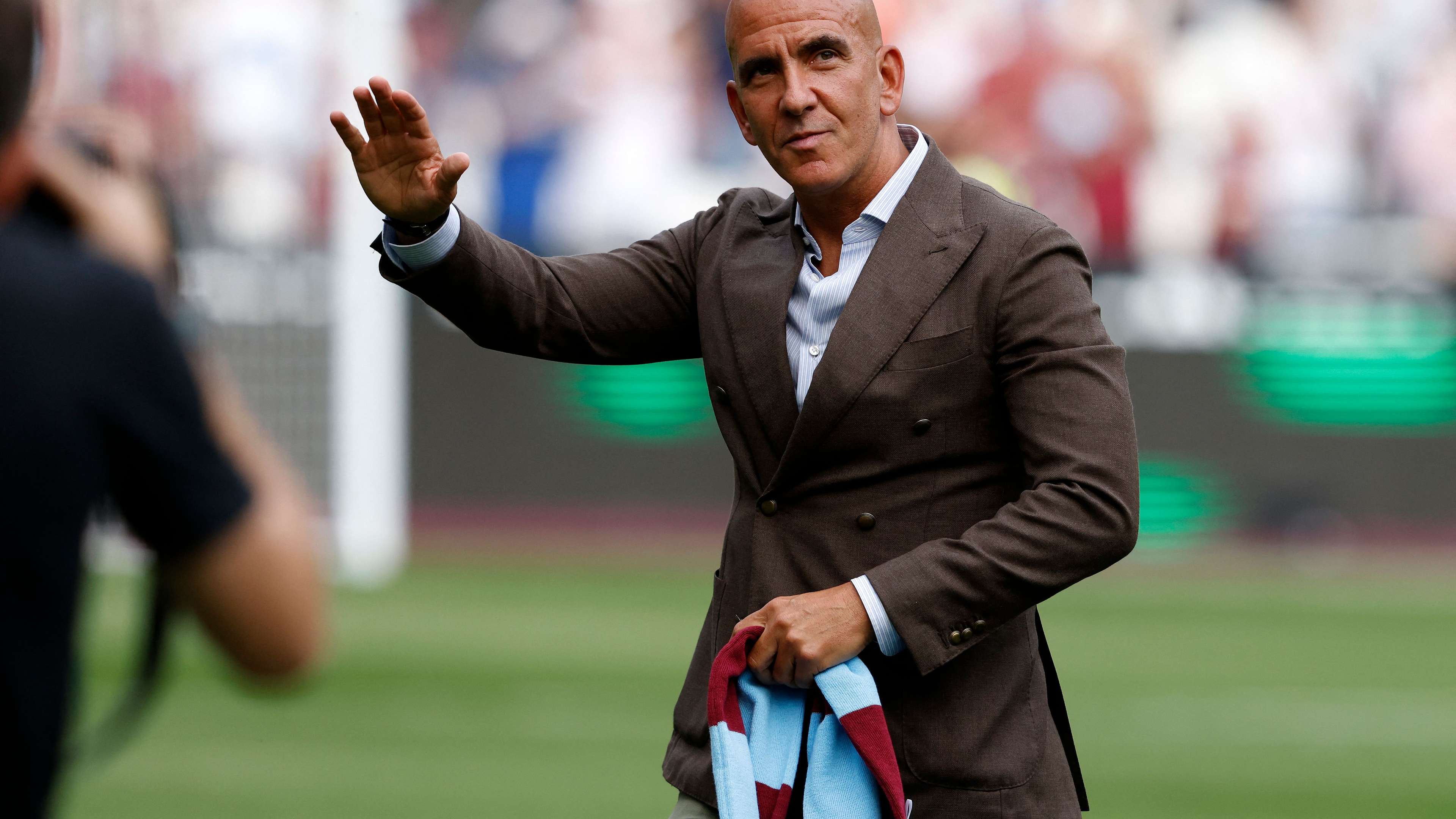
AC Milan answered a disappointing Europa League defeat with a hard-earned league victory away to Genoa, offering an encouraging sign of resilience at a demanding point in the season. Goals from Cisse and Christian Pulisic secured the Rossoneri’s win at the Marassi, but the result was anything but comfortable. For Paolo Di Canio, the performance showed that the team’s character remains intact despite pressure surrounding the club.
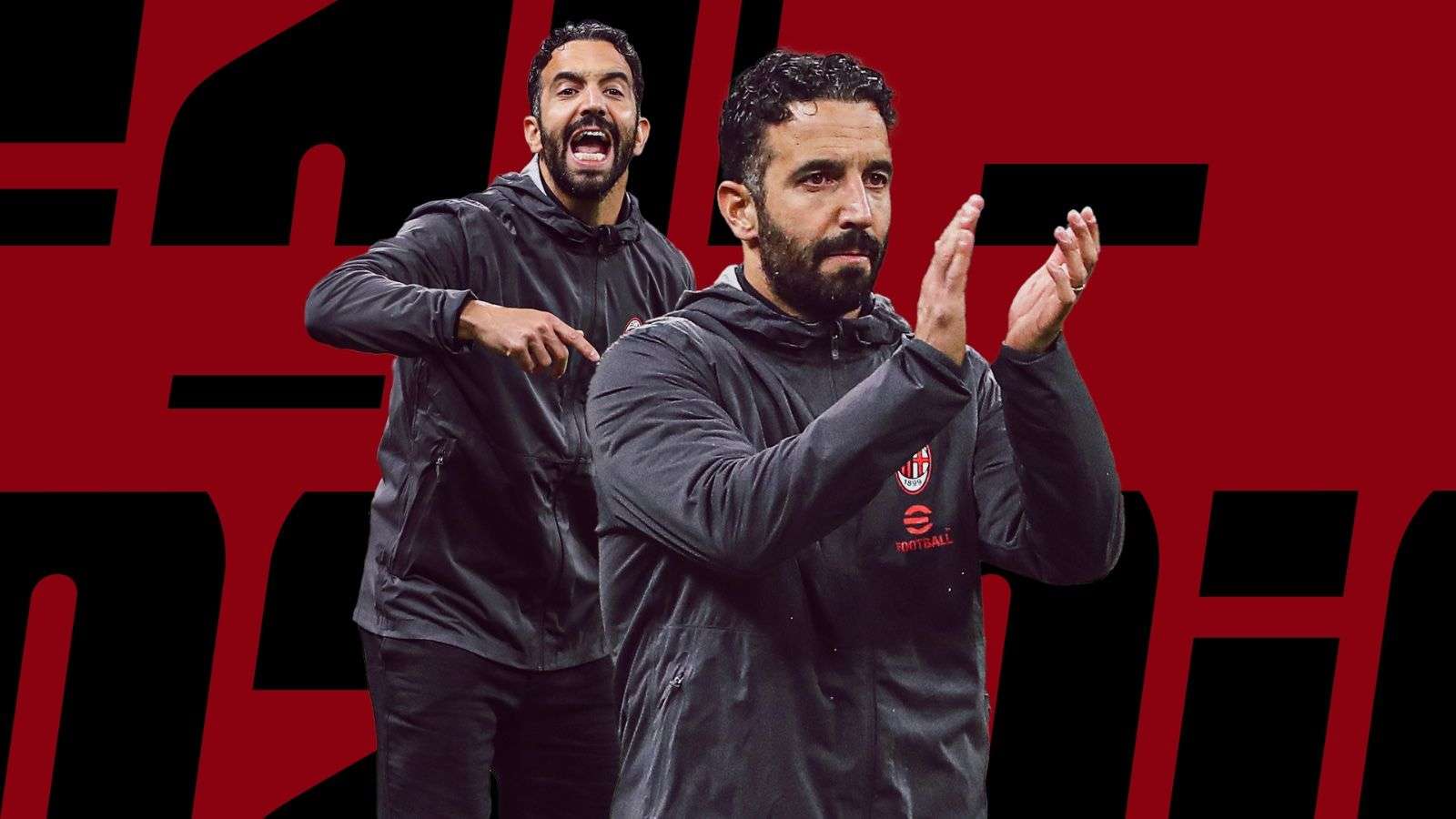
Speaking on Sly Calcio Club, the former Italy international assessed Milan’s response after their loss to Ferencváros in Europe. He pointed to the demanding message delivered by Ruben Amorim during the week, saying the coach had been particularly hard on himself and his players. In Di Canio’s view, the team’s performance in Genoa was evidence that criticism had been met with action rather than excuses.
A Difficult Away Match, and an Important Result
Winning at Genoa is rarely straightforward. The home side can make the Marassi an intense venue, with a passionate crowd and a physical style that often turns matches into tests of concentration and stamina. Milan had to cope with that pressure while also carrying the weight of a recent European disappointment.
Cisse and Pulisic supplied the goals that made the difference, giving Milan a valuable three points on the road. Yet the scoreline alone does not capture the challenge of the match. The Rossoneri had to stay composed, manage difficult spells and keep working when victory was not guaranteed. That ability to remain competitive in an uncomfortable setting was central to Di Canio’s assessment.
For Milan, the result mattered beyond the league table. A defeat in Europe can affect confidence, especially when it arrives amid questions about form and the atmosphere around the club. Responding with a win in the next fixture does not erase the problems exposed in the previous match, but it can help prevent one setback from becoming a longer run of poor results.
Di Canio: “The Response Came on the Pitch”
Di Canio argued that Milan’s victory reflected the strength of the group. He noted that the club’s atmosphere had been strained in recent years, but said the players’ display in Genoa suggested a healthy and united dressing room. His point was simple: a team lacking togetherness would find it much harder to produce a result of this kind under pressure.
“This is a healthy, strong group. Otherwise, you don’t win in Genoa like that,” Di Canio said, praising the players for responding through their performance. He also highlighted the role of Amorim’s direct approach during the week. The coach’s criticism, he suggested, was not simply an expression of frustration; it was a challenge intended to demand more from the squad.
That distinction matters at a club with Milan’s expectations. Public scrutiny can intensify quickly after a poor result, and every performance is examined for signs of deeper trouble. A demanding coach may raise standards, but the players must then show they have absorbed the message. Against Genoa, Milan’s effort and eventual goals provided a practical answer.
What the Win Could Mean for Milan’s Season
The victory offers Milan a platform to rebuild momentum, although it should not be treated as proof that every concern has disappeared. The Europa League defeat remains a reminder that the side must improve its consistency, particularly when balancing domestic and European commitments. Strong teams are judged not only by how they recover from a setback, but by whether they can sustain that response across several matches.
For Amorim, the Genoa result may reinforce the value of clear standards and honest feedback. Coaches often face a delicate task after a loss: they must identify shortcomings without undermining confidence. Di Canio’s comments suggest that Amorim’s tough message was followed by a productive reaction, with the squad showing enough resolve to turn a difficult fixture into a win.
The next challenge will be maintaining that level. Milan will need to carry the same focus into upcoming matches, where opponents may target weaknesses exposed in Europe or attempt to disrupt the Rossoneri’s rhythm. The team’s attacking options, including Pulisic, can make a difference, but sustained results also depend on defensive discipline, midfield control and the ability to handle pressure late in games.
Football Prediction: Momentum Is Encouraging, but Consistency Is Key
Any football prediction about Milan’s immediate prospects should account for both sides of the picture. The win over Genoa is a positive indicator: it suggests the players can respond to criticism and perform in a challenging away environment. At the same time, one league victory cannot fully settle questions raised by the defeat to Ferencváros.
If Milan continue to show the unity and determination Di Canio identified, they should be capable of building a stronger run of form. Their prospects will depend on turning resilience into repeatable performances, rather than relying on a single emotional response after a setback. The most encouraging sign from Genoa was not simply that Cisse and Pulisic scored, but that the team stayed engaged in a match where the outcome remained uncertain.
For supporters, that makes the result meaningful without making it definitive. Milan have demonstrated that they can absorb pressure and answer criticism on the field. Now the task is to prove that the win at the Marassi marks the beginning of steadier progress, rather than a brief pause in a season still full of tests.