
A Legal Bombshell Rocks Real Madrid
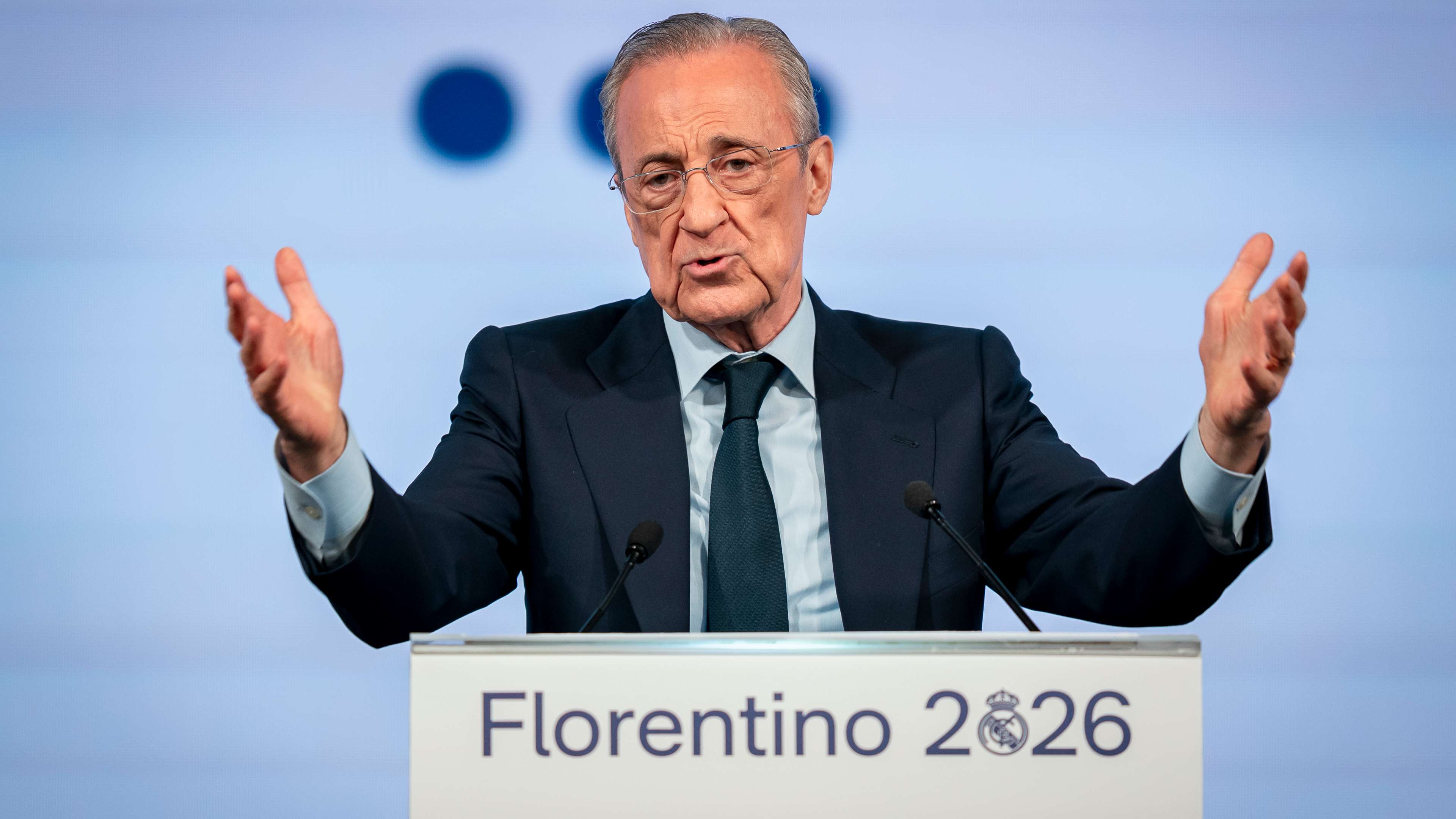
A Spanish lawyer has ignited a firestorm within the walls of Real Madrid’s administration with his scathing critique of the club’s new social conduct regulations. César Romero de la Osa Martínez has raised serious concerns about the implications of the rules, which he argues could stifle freedom of expression among the club’s members and season ticket holders.
A Threat to Freedom of Expression
In an article published in the Spanish newspaper “Sport,” Romero highlighted two particularly contentious articles in the new regulations. Article 9.7 prohibits “disrespect and/or offence” towards club representatives, while Article 10.18 takes it a step further by punishing any statement that could damage the club’s image or the individuals associated with it.
Romero contends that the vague language of these articles could be used to suppress opinions protected by the Spanish constitution. He warns that allowing a football club to judge and penalize personal opinions sets a dangerous precedent, suggesting that matters of defamation should be handled by the legal system rather than an internal disciplinary committee.
The Rise of “Social Inquisition Courts”
Perhaps most alarming is the lawyer’s assertion that the new regulations empower a disciplinary committee to monitor members’ social media activity and impose sanctions based on their posts. Romero likened this mechanism to “social inquisition courts,” expressing concerns about the potential for abuse and suppression of dissenting voices.
He raised the alarm that criticizing the club’s leadership could lead to severe consequences, such as the loss of membership for years, a move he deemed a blatant violation of legal principles like the presumption of innocence and proportionality.
An Appeal for Intervention
Not content with merely raising objections, Romero has taken his concerns to the authorities. He has called on the Ministry of Education, the Higher Sports Council, and the Spanish League association to intervene and prevent clubs from implementing what he considers “arbitrary and illegal” internal regulations.
Furthermore, Romero has urged the Spanish Data Protection Agency to investigate the collection and analysis of fans’ personal opinions, questioning the legality of tracking data without clear authorization.
In a direct challenge to Real Madrid’s management, Romero asserted that while he is willing to be held accountable for any wrongdoing, the club has no right to silence dissenting voices. He emphasized that constitutional rights and freedoms should not be curtailed within the confines of a football stadium.
Conclusion
The legal bombshell dropped by César Romero de la Osa Martínez has ignited a contentious debate within Real Madrid and the broader football community. As the club grapples with accusations of stifling freedom of expression, all eyes are now on how the authorities and governing bodies will respond to these serious allegations of overreach and potential infringement of fundamental rights.
The Impact on Fan Engagement
Real Madrid’s controversial social conduct regulations not only raise legal concerns but also have significant implications for fan engagement. In the age of social media, football clubs rely heavily on the interaction and support of their fans. By restricting freedom of expression and potentially punishing dissenting opinions, Real Madrid risks alienating a portion of their fan base.
Fans are the lifeblood of any football club, and their passion and loyalty drive the success and visibility of the team. However, when fans feel censored or silenced by the club they support, it can lead to a breakdown in trust and a disconnect between the organization and its supporters. This could ultimately impact attendance at matches, merchandise sales, and overall fan morale.
The Role of Social Media in Sports
Social media has revolutionized the way fans interact with their favorite sports teams and athletes. Platforms like Twitter, Instagram, and Facebook provide fans with direct access to players, coaches, and club updates in real-time. This instant communication has democratized the sports industry, allowing fans to voice their opinions, share their excitement, and connect with like-minded supporters around the globe.
However, the flip side of this open dialogue is the potential for abuse, harassment, and misinformation. Real Madrid’s attempt to regulate social media behavior among its fans may be seen as a way to combat these negative aspects of online interaction. Nevertheless, the challenge lies in striking a balance between protecting the club’s image and respecting the rights of fans to express their views in a respectful manner.
The Future of Fan Relations in Football
Real Madrid’s clash with legal experts and fans over its social conduct regulations reflects a broader trend in the sports industry. As clubs grapple with the complexities of managing their brand reputation in a digital age, they must navigate the fine line between enforcing standards of conduct and preserving freedom of expression.
Moving forward, football clubs may need to reassess their approach to fan relations, taking into account the evolving landscape of social media and online communication. By fostering a culture of open dialogue, transparency, and mutual respect, clubs can strengthen their bond with fans and create a more inclusive and engaging community.
Conclusion
The debate sparked by César Romero de la Osa Martínez’s critique of Real Madrid’s social conduct regulations sheds light on the complexities of balancing legal rights, freedom of expression, and fan engagement in the world of football. As clubs grapple with the challenges of the digital age, finding a harmonious relationship between regulating behavior and fostering a vibrant fan community will be crucial for their long-term success and sustainability.