
Montagliani Reportedly Set to Withdraw From FIFA Presidential Race, Leaving Infantino Without a Rival
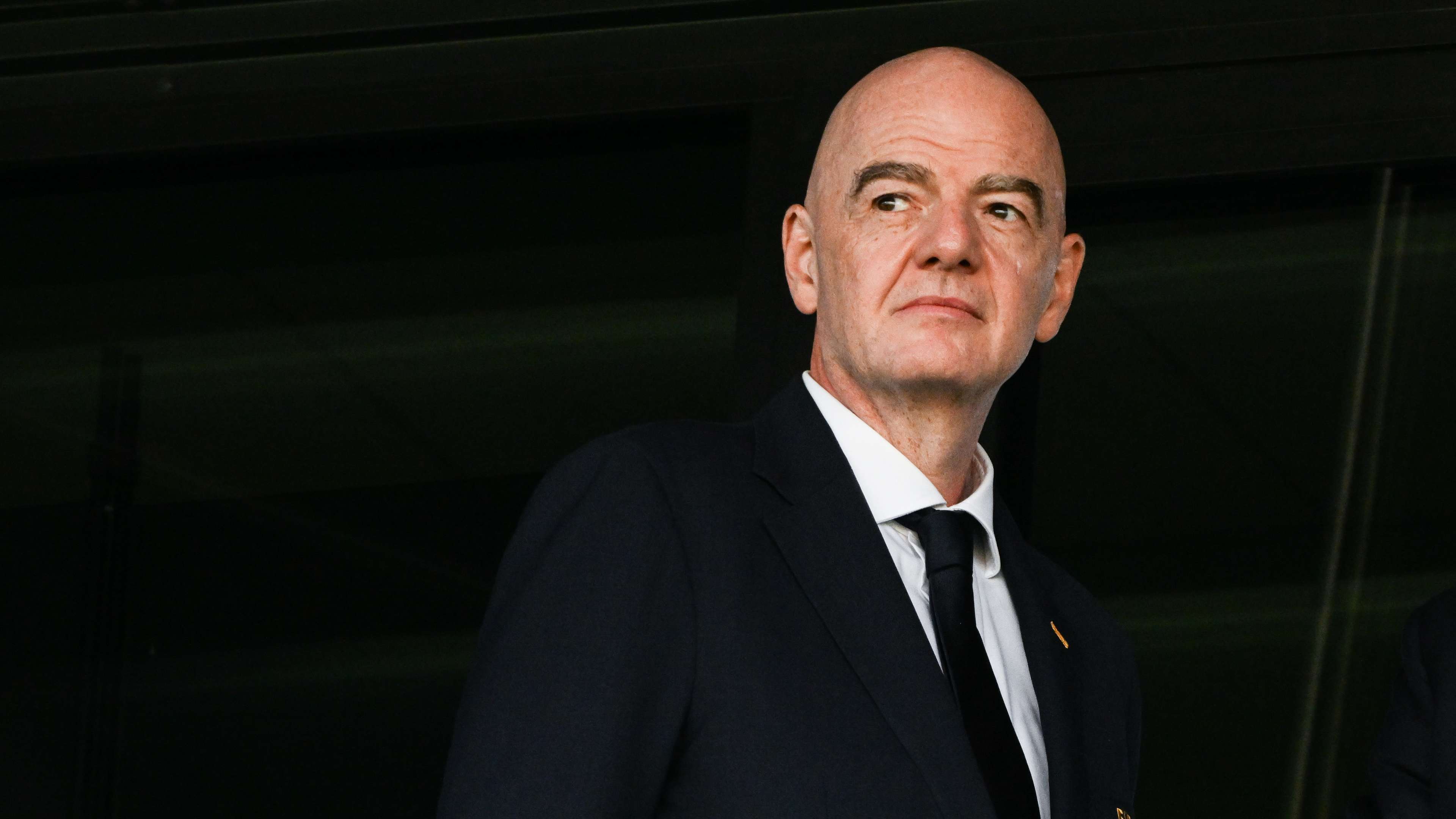
FIFA president Gianni Infantino appears to be moving closer to an uncontested bid for a fourth term after reports that Victor Montagliani is preparing to withdraw from the race. British media reported on Thursday evening that the Canadian is unlikely to challenge Infantino, preferring to remain president of CONCACAF, the governing body for football in North and Central America and the Caribbean.
The next FIFA presidential election is scheduled for 2027, and Infantino has already indicated that he intends to stand again. If Montagliani does not enter the contest—and no other candidate emerges—Infantino could face little or no opposition, despite signs that support for his leadership is far from unanimous.
Why Montagliani’s Decision Matters
Montagliani had been viewed as one of the most plausible figures to mount a challenge. As head of CONCACAF and a vice-president of FIFA, he has experience within the international game and access to the networks that shape football politics. His reported preference to stay in his current role would remove a potential challenger with significant influence in a major confederation.
A decision to remain at CONCACAF would not necessarily signal support for Infantino. It would, however, leave opponents of a fourth term without an obvious candidate around whom to unite. In FIFA elections, the ability to secure backing across several regions can be as important as a candidate’s public profile. Without a challenger, dissatisfaction with the incumbent may not translate into a competitive ballot.
Infantino’s Bid Faces Regional Opposition
Infantino’s path to another term is complicated by reported resistance from several confederations. UEFA, European football’s governing body, announced earlier this week that its member associations would not vote for him. The Asian Football Confederation and CONCACAF have also been described as strongly opposed to a fourth term.
That leaves Africa as the main region where Infantino is still seeking to build support, according to the reports. The continent represents a substantial share of FIFA’s membership, making its national associations important in any presidential contest. But opposition across Europe, Asia and CONCACAF would create a significant political challenge if those positions hold and are reflected in the voting.
FIFA’s presidential election is decided by its member associations, rather than by fans or national leagues. That means the eventual result will depend on how football federations assess the candidates, their policies and the relationships they have built with FIFA. Public criticism can influence the debate, but it does not automatically determine the outcome.
World Cup Decisions Have Added to Scrutiny
Infantino has faced criticism during the most recent World Cup, including over FIFA’s handling of a disciplinary matter involving American striker Folarin Balogun. The decision to reverse Balogun’s suspension drew a negative reaction and became a prominent talking point around the tournament.
Disputes over disciplinary rulings can quickly become larger questions about consistency, transparency and governance. For supporters and national associations, the issue is not only whether a particular decision benefits one team. It is also whether FIFA applies its rules clearly and fairly across the sport. Such controversies may therefore add to wider scrutiny of the president’s leadership, even if they do not determine the election on their own.
More broadly, any fourth-term campaign is likely to prompt debate about FIFA’s direction. Supporters may point to the organisation’s global reach and the importance of continuity, while critics may ask whether leadership changes are needed to strengthen accountability and confidence in decision-making. The absence of a rival would make those questions more significant, not less.
Candidate Deadline Leaves the Race Open
Potential candidates still have until 18 November to put themselves forward, so the contest is not formally settled. As of the reported developments, however, no challenger has publicly entered the race. Montagliani’s possible withdrawal would deepen that uncertainty by removing the figure most often identified as a likely alternative.
The months ahead will show whether opposition to Infantino can produce a candidate with enough support to run. Any challenger would need to secure backing across a diverse membership, present a credible vision for the sport and persuade associations that a change in leadership would serve their interests. That is a formidable task, particularly if the incumbent begins the campaign with strong institutional relationships.
What an Uncontested Election Could Mean for Football
If no one challenges Infantino, the election could become less a contest between competing programmes and more a test of confidence in the current leadership. A lack of opposition might indicate that potential candidates believe they cannot win, or that influential associations prefer to avoid a divisive campaign. It would not necessarily prove that every member association supports a fourth term.
For football fans, the presidency can seem distant from the action on the pitch, but FIFA’s leadership affects the organisation of international tournaments, the sport’s global development and the rules and policies that shape the game. Decisions made at the top can influence national federations, players and supporters across every region.
For now, the prediction is that Infantino remains the clear favourite to continue as FIFA president, especially if Montagliani stays at CONCACAF and no alternative candidate emerges. But the election is still more than a year away, and the deadline for nominations has not passed. Until the field is confirmed, the possibility of a late challenger—and a more competitive race—remains open.