
FIFA President Gianni Infantino Defends Ticket Prices for 2026 World Cup
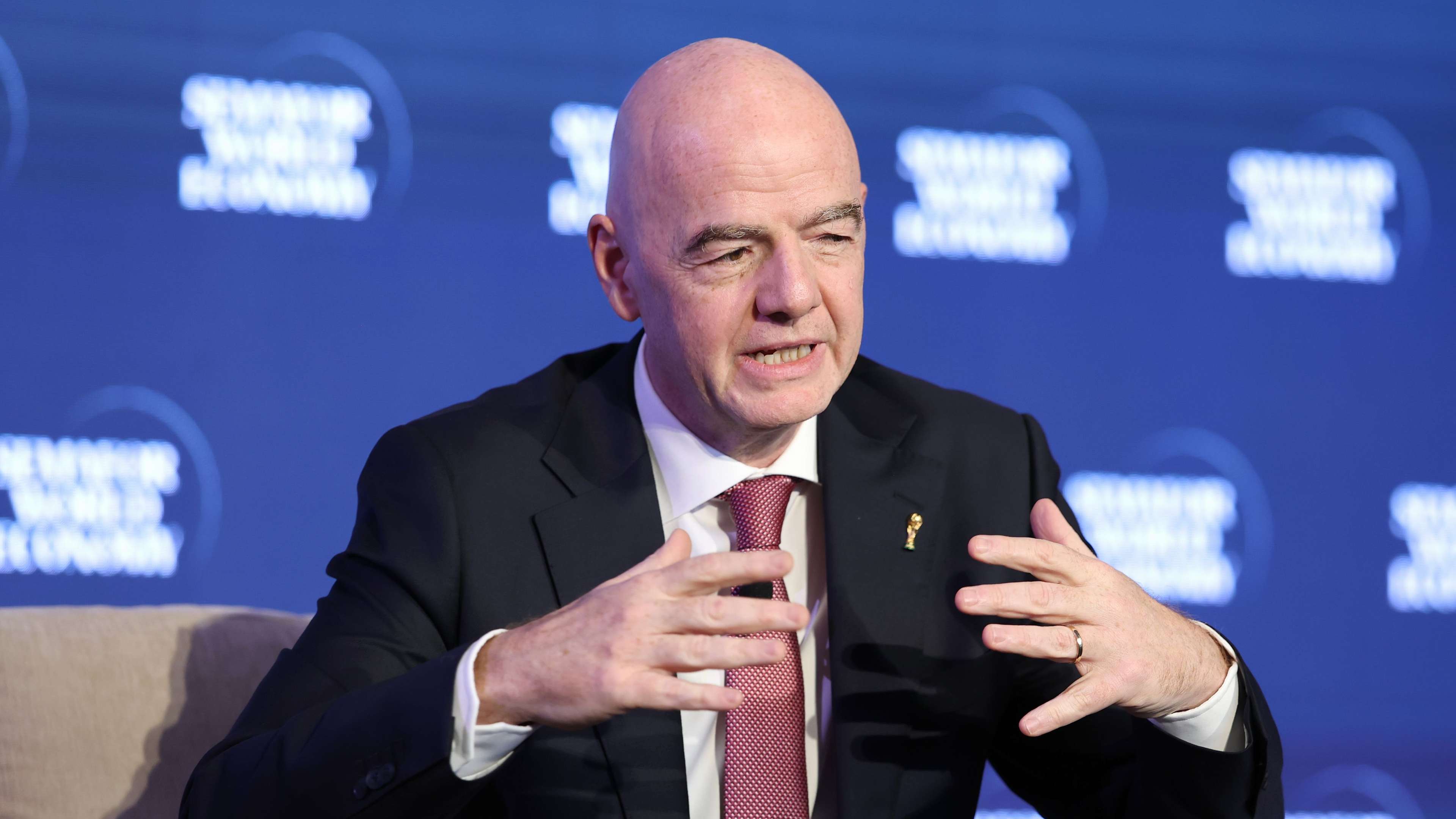
FIFA president Gianni Infantino is standing firm in his defense of the high ticket prices for the upcoming 2026 World Cup. Despite facing backlash from fans who have criticized the costs as “shameful,” Infantino maintains that the pricing is essential for the financial success of the tournament.
Financial Necessity
Infantino has reiterated that the pricing strategy for the 2026 World Cup is a financial necessity. The revenue generated from ticket sales plays a crucial role in covering the costs of organizing a global event of this magnitude. From securing venues and ensuring top-notch security to providing a world-class experience for players and fans alike, the financial demands of hosting a World Cup are substantial.
Infantino emphasized that without sufficient revenue from ticket sales, FIFA would struggle to meet the financial requirements of organizing the tournament. He pointed out that the funds generated from ticket sales are also used to support grassroots football development programs around the world, highlighting the broader impact of ticket pricing on the sport.
Global Criticism
Despite Infantino’s explanations, the pricing of tickets for the 2026 World Cup has faced widespread criticism from fans and supporters. Many have expressed outrage at what they perceive as exorbitant costs that could prevent ordinary football enthusiasts from attending matches.
Infantino’s defense of the ticket prices comes amidst growing concerns about the commercialization of football and the increasing financial barriers to accessing the sport at the highest levels. Critics argue that pricing out ordinary fans could lead to a loss of the game’s soul and its connection to grassroots communities.
Balancing Act
Infantino faces the challenging task of balancing the financial needs of FIFA with the expectations and demands of football fans worldwide. While ensuring the financial sustainability of the organization is crucial, maintaining the integrity and accessibility of the sport is equally important.
As preparations for the 2026 World Cup continue, Infantino will need to navigate these competing interests to ensure that the tournament is a success both on and off the field. Finding the right balance between financial viability and fan engagement will be key to the long-term success of the event.
Looking Ahead
As the debate over ticket prices for the 2026 World Cup rages on, FIFA and Infantino will need to address the concerns raised by fans while also upholding the financial stability of the tournament. Finding creative solutions to ensure that the event is inclusive and accessible to all football enthusiasts will be crucial in maintaining the spirit of the beautiful game.
With the eyes of the world on the 2026 World Cup, the decisions made by FIFA and its president will shape the future of football for years to come.
Emerging Technologies in Ticket Pricing
One way FIFA could potentially address the concerns over ticket pricing for the 2026 World Cup is by leveraging emerging technologies. For instance, the use of dynamic pricing algorithms could allow for more flexible and fair pricing based on factors such as demand, seat location, and timing. This approach could help ensure that tickets are priced appropriately to maximize revenue while also making them more accessible to a wider range of fans.
Additionally, blockchain technology could be utilized to enhance transparency in ticket sales and distribution. By implementing blockchain-based ticketing systems, FIFA could reduce the likelihood of scalping and ensure that tickets are allocated fairly to genuine fans. This move could help alleviate some of the criticisms surrounding ticket pricing and promote a more equitable distribution of tickets for the World Cup.
Social Responsibility and Fan Engagement
In response to the backlash over ticket prices, FIFA could also emphasize its commitment to social responsibility and fan engagement. By allocating a portion of ticket sales towards community initiatives, grassroots football programs, and fan experiences, FIFA could demonstrate its dedication to supporting the broader football ecosystem.
Moreover, engaging with fans through interactive platforms, behind-the-scenes content, and interactive experiences could help foster a stronger connection between supporters and the World Cup. By prioritizing fan engagement and involvement, FIFA could create a more inclusive and welcoming environment for fans of all backgrounds and financial means.
Sponsorship and Partnerships
Another strategy to address concerns over ticket pricing could involve seeking additional sponsorship and partnerships to offset costs and reduce the financial burden on fans. By collaborating with brands, companies, and organizations that align with the values of the World Cup, FIFA could secure additional funding to support the tournament without excessively burdening fans with high ticket prices.
Strategic partnerships could also open up opportunities for discounted ticket packages, exclusive fan experiences, and promotional offers that make attending the World Cup more affordable and appealing to a wider audience. By leveraging the support of sponsors and partners, FIFA could strike a balance between financial sustainability and fan accessibility.
Community Outreach and Inclusivity
FIFA could further demonstrate its commitment to inclusivity and community outreach by organizing events, programs, and initiatives that bring the excitement of the World Cup to fans who may not be able to attend matches in person. By hosting viewing parties, fan zones, and interactive experiences in cities around the world, FIFA could extend the reach of the tournament and engage with fans on a global scale.
Additionally, initiatives such as ticket donation programs, scholarships for underprivileged fans, and special accommodations for fans with disabilities could help make the World Cup more accessible and inclusive for everyone. By prioritizing community outreach and inclusivity, FIFA could create a more positive and welcoming environment for fans of all backgrounds.
Conclusion
As FIFA and Gianni Infantino navigate the complexities of ticket pricing for the 2026 World Cup, exploring innovative solutions, promoting social responsibility, fostering fan engagement, seeking strategic partnerships, and prioritizing inclusivity will be key to addressing the concerns raised by fans and critics. By balancing financial considerations with the values of accessibility, fairness, and community, FIFA can ensure that the World Cup remains a celebration of football that inspires and unites fans around the world.