
FIFA President Gianni Infantino Condemns Racist Incidents During Guatemala vs. Suriname Match
In a recent and highly charged CONCACAF Nations League fixture, the football community was shaken by distressing reports of racial abuse directed at Surinamese players during their match against Guatemala. The incident has sparked widespread condemnation across the globe, prompting swift action from FIFA and raising urgent questions about the need to eradicate racism from the beautiful game.
Unfolding of Events: A Match Marred by Racism and Violence
The match, held in Guatemala, was supposed to be a competitive clash between two talented national teams. However, it became notorious for the ugly scenes that unfolded in the stands, overshadowing the on-field action. Suriname’s players faced relentless racist insults from sections of the crowd, which not only tarnished the integrity of the game but also highlighted the ongoing challenge of tackling discrimination in football.
As the game progressed, tensions escalated. Suriname’s midfielder Richonell Margaret was shown a red card early on in the second half after reacting emotionally to the racist taunts. His dismissal was a stark reminder of how deeply entrenched the problem is, affecting players’ mental health and performance.
Climactic Moments and Emotional Fallout
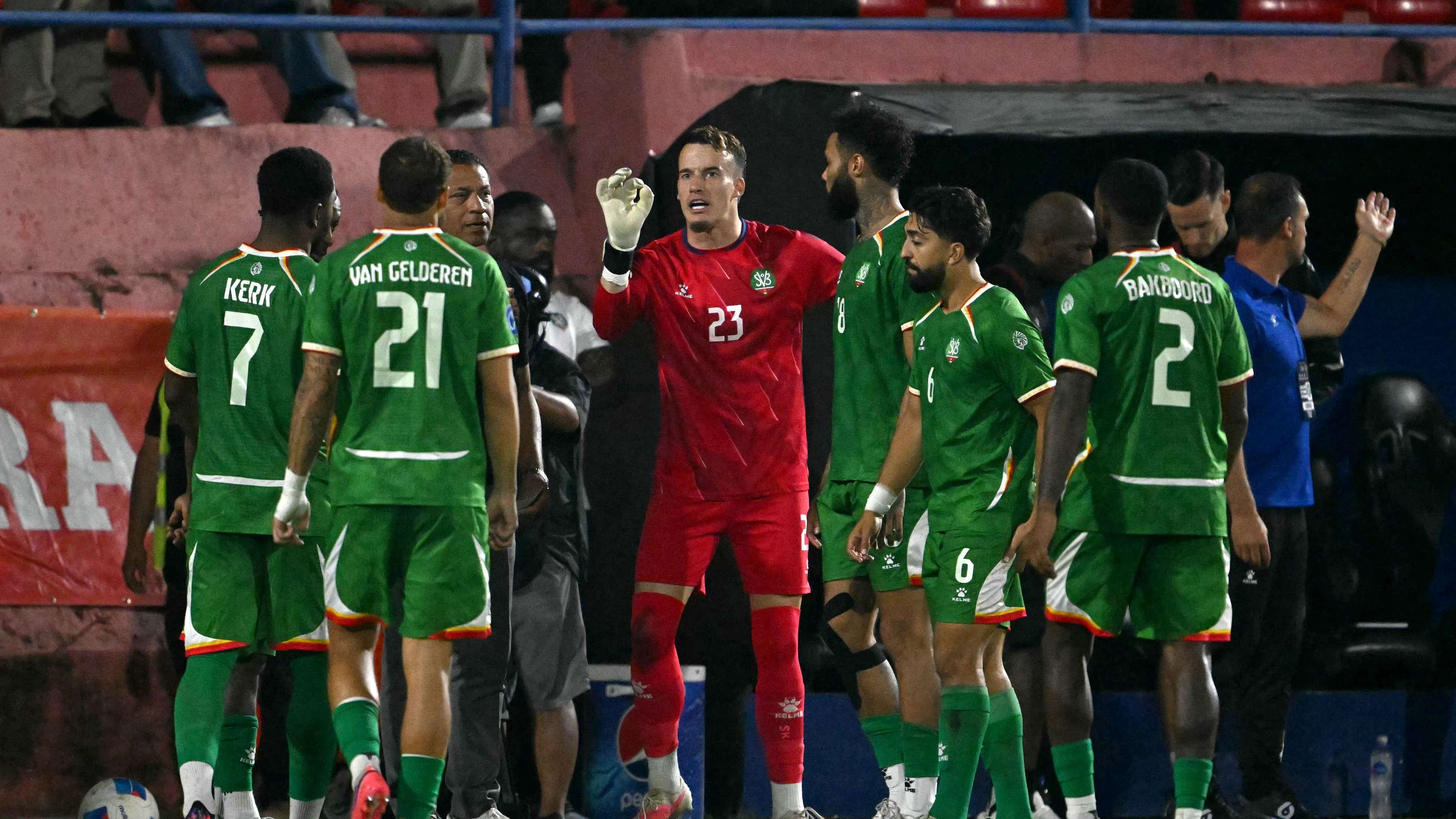
The match entered its final moments with Suriname trailing 1-0. In stoppage time, the situation took a darker turn. Surinamese goalkeeper Etienne Vaessen, visibly upset and distressed by the discriminatory atmosphere, lost his composure. As he left the pitch, he engaged in a heated exchange with Guatemala players and officials, culminating in an obscene gesture directed at the crowd. This outburst was a culmination of the emotional toll inflicted by the racist abuse throughout the game.
Post-match, the controversy deepened when the Surinamese Football Association issued a statement condemning the racist behavior, emphasizing that their players had been subjected to abuse throughout the match in Guatemala. This incident not only disrupted the match but also ignited a broader debate on the prevalence of racism in football, especially within CONCACAF tournaments.
FIFA’s Response and Commitment to Combating Racism
FIFA President Gianni Infantino reacted swiftly to the incident, utilizing social media platforms to voice his strong stance against racism in football. On Instagram, he posted: “There is no place for racism in football. What the Suriname players have had to endure in Guatemala is completely unacceptable.” His words underscored FIFA’s unwavering commitment to ensuring a safe and inclusive environment for all players and fans.
Infantino also reaffirmed FIFA’s ongoing efforts to combat discrimination, stating, “As FIFA, we will fully support the Surinamese football association in their fight to ban racism from football.” This pledge aligns with FIFA’s broader initiatives, including education campaigns, stricter sanctions, and the implementation of technology such as anti-racism camera systems during matches.
Disciplinary Actions and Broader Implications
In response to the incident, FIFA has already taken disciplinary measures against other national teams involved in racially charged behavior. Notably, the federation issued a fine to El Salvador for racist chants directed toward Suriname players in an earlier match. These actions signal FIFA’s resolve to enforce zero tolerance policies and set a precedent for future conduct.
However, critics argue that fines alone are insufficient and call for more comprehensive measures such as lifetime bans for repeat offenders, increased stadium security, and educational programs aimed at fans and officials. The incident in Guatemala serves as a stark reminder that the fight against racism in football requires a multifaceted approach, combining strict enforcement with cultural change.
The Broader Context: Racism in Football Worldwide
Racism remains a pervasive issue in football across the globe, with high-profile incidents reported in leagues from Europe to South America. The passion and fervor surrounding football matches often lead to volatile situations, where discriminatory sentiments surface in the stands. This ongoing problem not only tarnishes the sport’s image but also impacts the mental health and well-being of affected players.
The CONCACAF Nations League match between Guatemala and Suriname has brought renewed attention to the urgent need for systemic change. It highlights the importance of education, awareness, and the implementation of effective sanctions to foster respect and inclusivity in football arenas worldwide.
Expert Predictions and Future Outlook
Football experts and analysts predict that the incidents in Guatemala could serve as a catalyst for stronger anti-racism policies across international and club levels. Many believe that increased collaboration between FIFA, regional confederations, and national associations is essential to create lasting change.
Looking ahead, the prediction is that more aggressive measures will be adopted, including the deployment of anti-racism ambassadors, enhanced monitoring during matches, and community outreach programs aimed at eradicating prejudice from the roots of society. These steps are crucial for ensuring that football remains a sport that unites people rather than divides them.
Conclusion: Standing Up for Equality in Football
The recent events during the Guatemala vs. Suriname match serve as a sobering reminder that racism is a persistent threat to the integrity of football. The response from FIFA and the football community at large demonstrates a collective commitment to combating discrimination and fostering a culture of respect and inclusion.
As fans, players, and officials continue to advocate for change, the hope is that future fixtures will be marked by celebration of diversity rather than incidents of hatred. The prediction remains optimistic: with sustained effort and proactive policies, football can truly become a sport where equality prevails, ensuring a brighter, more inclusive future for the global game.