
Infantino Apologizes as FIFA Scraps Forward Enterprise Proposal
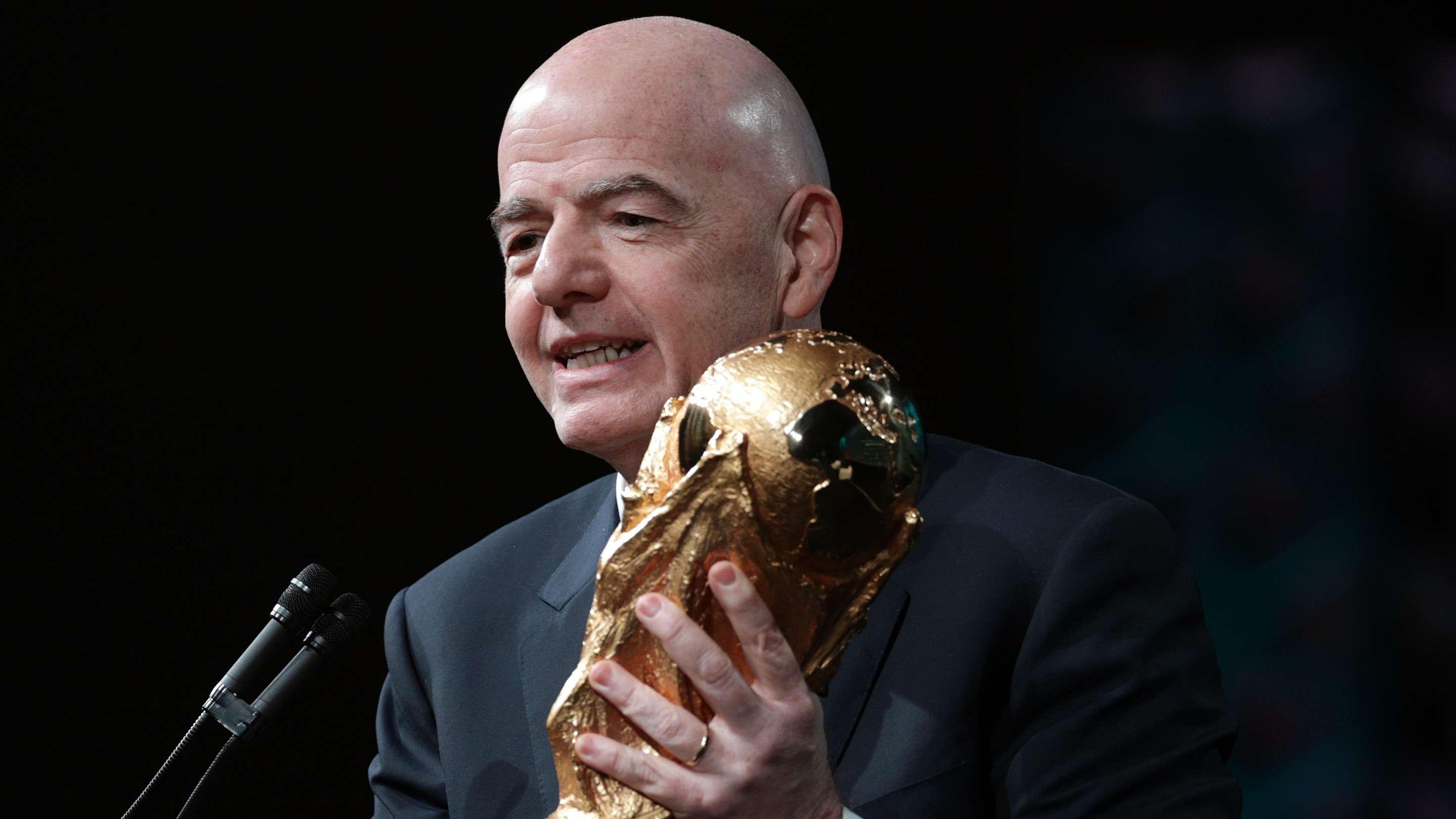
FIFA president Gianni Infantino has issued a direct apology after the governing body abandoned its controversial Forward Enterprise proposal at a FIFA Council meeting in Zurich. The decision closes a difficult chapter for the initiative, which had drawn criticism and raised questions among football stakeholders about its purpose and potential impact.
Yet the announcement was accompanied by a markedly more positive development: record commercial returns linked to the 2026 World Cup have given FIFA the financial capacity to announce a substantial increase in support for its member associations. The contrast between the proposal’s cancellation and the new funding commitment highlights the competing pressures facing football’s global governing body—maintaining confidence in its decisions while directing growing revenues back into the game.
Why the Proposal Became a Controversial Issue
FIFA Forward Enterprise was intended to sit within the broader landscape of football development and investment. But the proposal became a source of concern, with questions surrounding its design, objectives and how it would fit alongside FIFA’s existing support programs. When an initiative affects the distribution of resources across football, even early-stage plans can attract close scrutiny from national associations, clubs, players and supporters.
That scrutiny matters because FIFA’s decisions can influence football at every level, from elite international competitions to grassroots facilities and youth programs. Member associations often rely on governing-body funding to improve pitches, train coaches, develop women’s football and strengthen local competitions. Any new financial structure therefore needs to be clearly explained, responsibly managed and seen to serve the wider game.
By permanently scrapping the proposal, FIFA has removed uncertainty about its future. Infantino’s apology also signals an effort to acknowledge the concerns that surrounded the plan rather than simply moving on without comment. While an apology cannot resolve every question about how the proposal was developed, it can form part of a broader attempt to rebuild trust and demonstrate that feedback has been heard.
Record World Cup Returns Create Room for Greater Investment
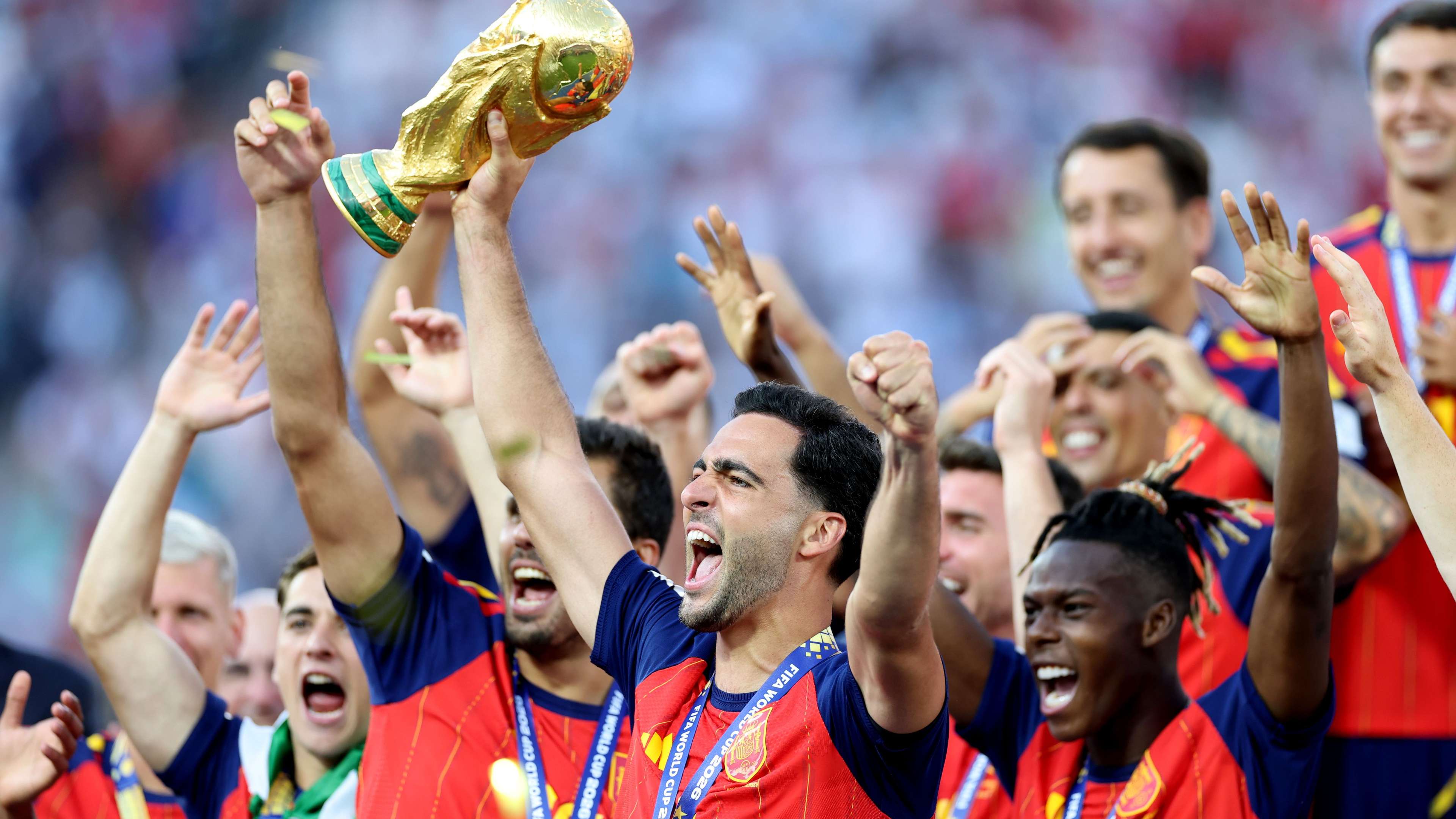
The more encouraging part of the Zurich meeting was FIFA’s announcement of a major financial boost for member associations, supported by record commercial returns from the 2026 World Cup. The tournament, which will be staged across the United States, Canada and Mexico, is set to be the first men’s World Cup featuring 48 teams. Its expanded format and three-country hosting arrangement have helped make it one of the most commercially significant events in international football.
World Cup income can come from several sources, including broadcasting rights, sponsorship agreements, ticketing and commercial partnerships. Strong demand from global media and business partners can give FIFA a larger pool of revenue to manage and reinvest. The organization has presented the tournament’s commercial performance as the foundation for increased support to its member associations, potentially strengthening development work across a broad range of countries.
However, headline revenue alone does not show how much each association will receive or how the money will be distributed. The practical value of the announcement will depend on the detailed funding arrangements, eligibility rules and accountability measures that follow. Associations and football communities will be watching for clear information about when the additional resources will be available and what they can be used for.
What the Funding Could Mean for Football Development
For many national associations, predictable funding can make a meaningful difference. Long-term investment may help build or upgrade training facilities, improve access to qualified coaches, expand youth pathways and support women’s and girls’ competitions. It can also help associations strengthen administration, organize domestic leagues and create more opportunities for players outside major football markets.
These areas are closely connected. Better local facilities can make regular training possible, while stronger coaching programs can improve player development and safety. More organized competitions can give young footballers a clearer route from community teams to professional or national-level opportunities. In this sense, funding that reaches beyond the top tier can contribute to a healthier football ecosystem.
Still, the impact will depend on how effectively the money is spent. Transparent reporting, independent oversight and measurable development targets can help ensure that increased support leads to lasting improvements rather than short-term spending. Associations will also need the capacity to plan projects carefully and demonstrate that investment is reaching the players and communities it is intended to serve.
Governance, Trust and the Road to 2026
The episode places renewed attention on FIFA’s governance as it prepares for one of the biggest World Cups in the sport’s history. The 2026 tournament is expected to attract enormous global interest, but its scale also brings challenges, including travel demands, logistics, infrastructure and the coordination required across three host nations. Commercial success will be important, but so will the tournament’s organization and its wider legacy for football.
For FIFA, the cancellation of Forward Enterprise and the announcement of increased development funding present two different tests. The first is whether the organization can respond constructively when a proposal fails to gain confidence. The second is whether it can turn record World Cup returns into fair, transparent and effective support for the global game.
Supporters may also look for signs that the money improves football beyond the tournament spotlight. A World Cup can generate excitement and revenue, but its lasting value is often measured by what remains afterward: stronger local programs, better facilities, more inclusive participation and improved opportunities for the next generation.
Prediction: A Bigger Development Focus Ahead
Looking ahead, a reasonable prediction is that FIFA will place greater emphasis on explaining how its funding programs work and how member associations benefit from them. After the controversy surrounding Forward Enterprise, clear communication and visible accountability are likely to be important for maintaining confidence among national federations and the wider football community.
The additional financial support could become a significant opportunity if it is distributed with transparent criteria and tied to practical development priorities. But the announcement is only the beginning. The real measure of success will be whether associations can convert the funds into durable improvements that strengthen football at local and national levels.
Infantino’s apology marks an acknowledgment of the concerns that helped bring the proposal to an end. Meanwhile, the commercial strength of the 2026 World Cup has opened the door to a larger investment in member associations. Together, these developments leave FIFA with a clear challenge: demonstrate that lessons have been learned and ensure that the growing wealth of global football produces tangible benefits throughout the game.