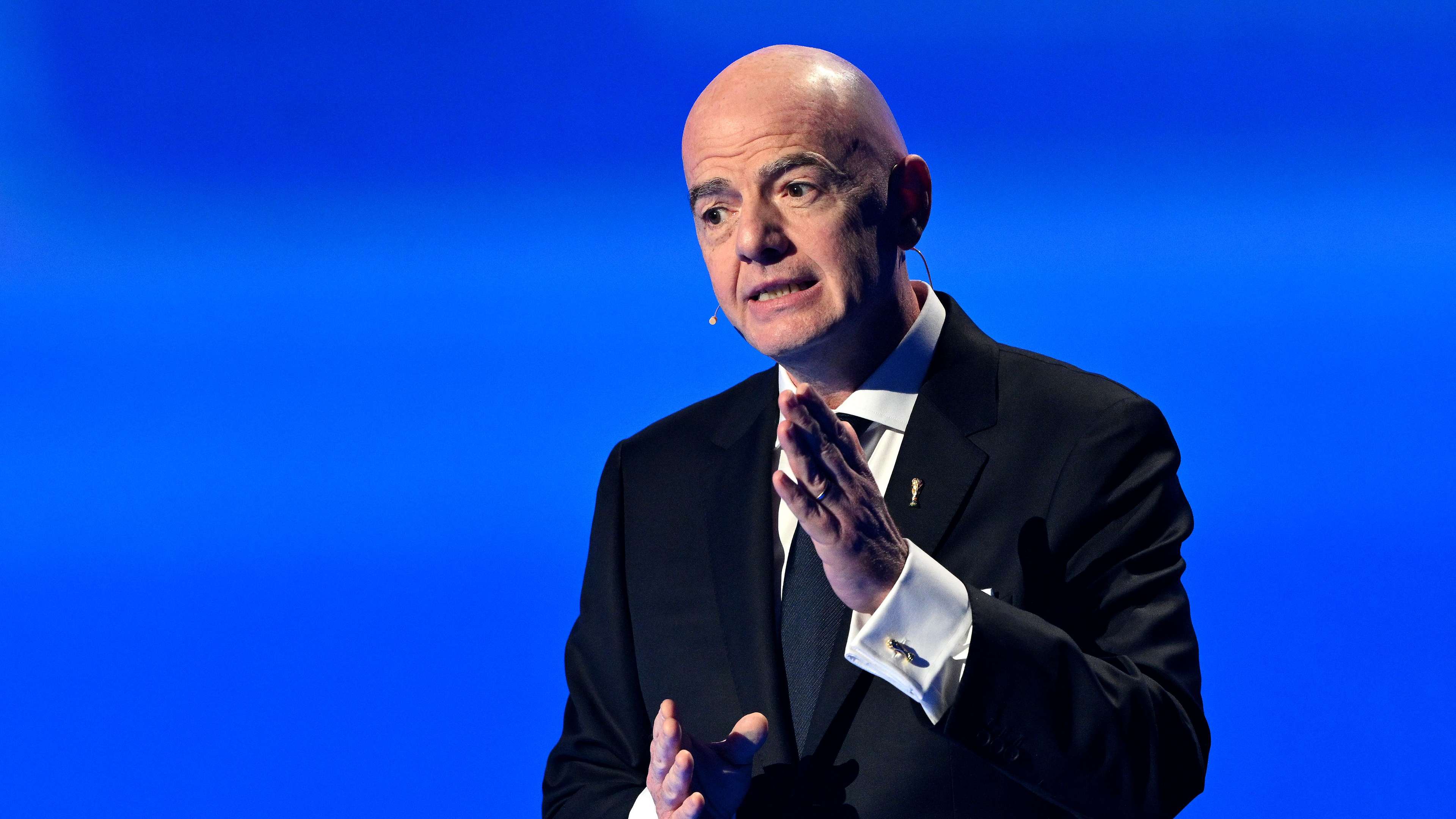

FIFA President Gianni Infantino Reflects on Lifelong Bond with Algerian Football
During his recent extended visit to Algeria, FIFA President Gianni Infantino opened up about his deep connection with Algerian football that dates back to the 1982 World Cup. It was during this tournament that Infantino, then a 12-year-old football enthusiast, witnessed the “Desert Warriors” capture the hearts of fans worldwide.
Infantino commended the Algerian team for their “brilliance” on the field, particularly highlighting their iconic match against Germany, where the Desert Foxes, led by Rabah Madjer, put up a fierce fight against the formidable German squad. The FIFA President praised the tactical prowess and raw power displayed by “Les Verts” in that historic showdown.
Controversy and Triumph
Infantino did not shy away from addressing the controversial aspects of Algeria’s journey in the 1982 World Cup. He made specific mention of the infamous “Gijón” match, where a strategic outcome in the game between Germany and Austria led to Algeria’s untimely elimination from the tournament, despite their impressive performance.
Reflecting on the events of that match, Infantino stated, “Everyone knows what happened in the third match,” alluding to the match-fixing scandal that prompted FIFA to implement new rules ensuring fairness by requiring all final-round matches to be played simultaneously.
Support for Development
Infantino’s visit to Algeria was not merely a trip down memory lane but also an opportunity to strengthen FIFA’s collaboration with the Algerian Football Federation. The agenda included the inauguration of new football infrastructure, the launch of development projects as part of FIFA’s African strategy, and assessments of training facilities to identify avenues for investing in youth talent across the continent.
The FIFA President emphasized the importance of enhancing sports infrastructure and nurturing young talent to secure the future of African football. Through these initiatives, Infantino aims to create a more conducive environment for the growth and success of the sport in Algeria and beyond.
Looking Ahead
As Infantino reminisced about his formative experiences with Algerian football, his visit served as a testament to the enduring impact of the beautiful game on individuals and communities. By recognizing the past achievements and challenges faced by Algerian football, FIFA continues to pledge its support towards sustainable development and progress in the sport.
With Infantino’s commitment to fostering relationships with football federations worldwide, the future looks promising for Algerian football as it strives to reach new heights and make waves on the international stage.
Infantino’s Vision for Algerian Football
During his visit to Algeria, FIFA President Gianni Infantino outlined his vision for the future of Algerian football, emphasizing the importance of investing in grassroots development and infrastructure. Infantino stressed the need to create sustainable pathways for young talent to flourish and reach their full potential, echoing FIFA’s commitment to nurturing the next generation of football stars.
By focusing on long-term growth and sustainability, Infantino aims to elevate Algerian football to new heights and establish the country as a powerhouse in African and global football. Through strategic partnerships and investments in youth programs, FIFA seeks to empower Algerian athletes and provide them with the resources and opportunities needed to excel on the international stage.
The Impact of Technology on Football Prediction
With advancements in data analytics and technology, football prediction has become increasingly sophisticated in recent years. Fans and analysts alike now have access to a plethora of statistical data, match insights, and predictive algorithms that can help them make informed decisions when forecasting match outcomes.
From machine learning algorithms to predictive modeling techniques, the world of football prediction has evolved significantly, allowing enthusiasts to delve deeper into the intricacies of the game and make more accurate predictions. With the rise of online platforms and mobile apps dedicated to football prediction, fans can engage with the sport in new and exciting ways, adding an extra layer of intrigue to matchday experiences.
The Psychology of Football Prediction
Beyond the realm of statistics and analytics, the psychology of football prediction also plays a significant role in shaping fans’ perceptions and expectations. Emotions, biases, and cognitive heuristics can all influence how individuals predict match outcomes and interpret the performance of teams and players.
Factors such as team loyalty, past experiences, and social influences can impact the way fans engage with football prediction, adding a human element to the otherwise data-driven process. Understanding the psychological aspects of prediction can provide valuable insights into why fans make certain predictions and how they interpret the outcomes of matches.
Community Engagement through Football Prediction
Football prediction has the potential to bring communities together, fostering a sense of camaraderie and competition among fans. Whether through friendly wagering, prediction leagues, or online forums, fans can connect with each other over their shared passion for the sport and engage in lively debates about upcoming matches and tournaments.
By creating spaces for fans to make predictions, share insights, and interact with one another, football prediction platforms can strengthen the sense of community within the footballing world. This communal aspect of prediction adds an extra layer of enjoyment to the overall fan experience, uniting individuals from diverse backgrounds around a common love for the game.
Conclusion
As FIFA President Gianni Infantino reflects on his lifelong bond with Algerian football, the broader landscape of football prediction continues to evolve, driven by technological advancements, psychological nuances, and community engagement. By embracing these facets of football prediction, fans can deepen their connection to the sport, enhance their matchday experiences, and contribute to a vibrant and dynamic footballing culture worldwide.