
Mauricio Pochettino’s Manchester United challenge: warning, transfer advice and expectations
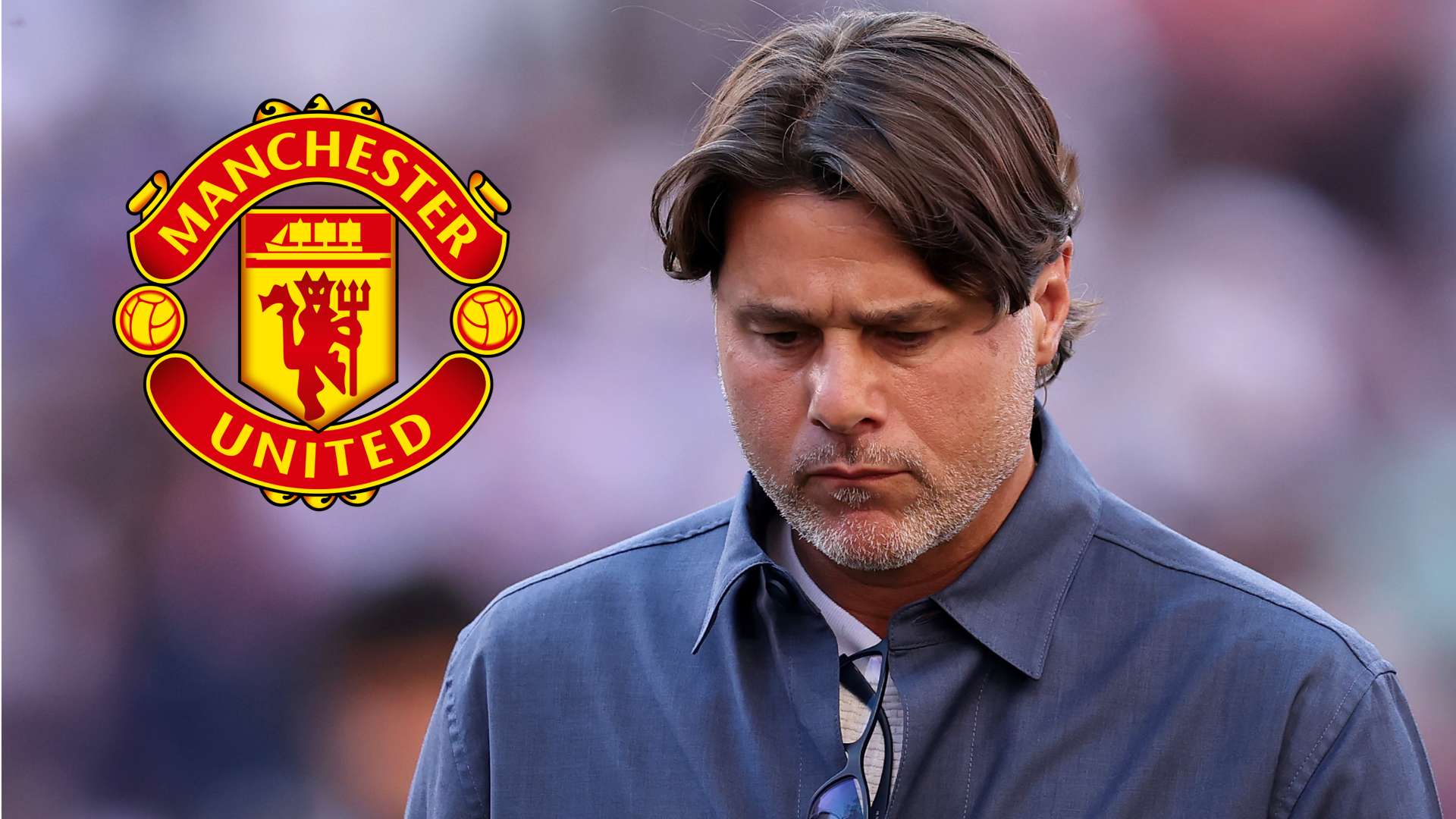
Mauricio Pochettino is expected to face intense scrutiny when he takes charge of Manchester United, with former Old Trafford defender Paul Parker warning that the Argentine will need to manage both the club’s football problems and the pressure surrounding them. Parker has also urged the incoming manager to make difficult decisions about the squad, including moving on players he considers “deadwood.”
The former Tottenham Hotspur and Chelsea boss is set to complete two more matches as head coach of the United States men’s national team before beginning his next chapter at Old Trafford. His appointment would bring a high-profile change in direction for United, where Michael Carrick has been in charge. The transition places Pochettino under immediate attention from supporters, pundits and the media, even before he has had time to shape the team.
Parker’s warning about the pressure at Old Trafford
Parker, speaking to GOAL, described the atmosphere Pochettino will encounter as a “mob” environment—an indication of how quickly expectations and frustration can build around Manchester United. The warning is not simply about the size of the club. It reflects a fanbase accustomed to competing for major honours and increasingly impatient with inconsistent performances and prolonged rebuilding projects.
At United, a promising result can quickly raise hopes, while a poor run can intensify questions over tactics, selection and recruitment. That dynamic makes the manager’s first months especially important. Pochettino will need to communicate a clear plan, establish standards on the training ground and show that the team is progressing, even if immediate silverware is not realistic.
The pressure will also come from the club’s history. Manchester United’s identity is closely tied to attacking football, domestic trophies and challenging for the Premier League title. Any new manager is therefore judged against both current results and memories of past success. Pochettino’s task will be to connect those expectations with the practical work of rebuilding a squad and improving performances week by week.
When will Pochettino be judged?
Parker’s comments raise a central question for United supporters: how much time will Pochettino be given? The answer is likely to depend on more than the league table. Early signs of tactical clarity, stronger team organisation and improved consistency could help build confidence, even if results are mixed during the adjustment period.
Supporters will also look for evidence that the new manager can make the team more difficult to play against while retaining the attacking ambition associated with his best sides. Pochettino’s previous teams have often relied on energy, pressing and quick transitions. Translating those principles to United will require players who can sustain the intensity and understand their responsibilities without the ball.
His first major assessment will come as the campaign unfolds, rather than after a single match. A difficult fixture can provide context for a defeat, but repeated lapses in concentration or a lack of visible improvement could quickly increase the scrutiny. The prediction is that patience will depend heavily on whether United appear to be moving in a coherent direction—not just on whether they win every game.
Transfer advice: deciding who fits the rebuild
Parker’s call to remove “deadwood” points to one of the most challenging parts of the job: deciding which players can contribute to the next phase and which should be allowed to leave. Squad turnover is often necessary when a new manager arrives, but it must be handled carefully. A rushed clear-out can leave gaps in key positions, while keeping too many players who do not suit the system can limit progress.
Pochettino will need to assess the squad in detail before making major decisions. That means looking beyond reputation or transfer fees and considering fitness, consistency, tactical flexibility and attitude. Players who can press, recover quickly and follow a demanding game plan may be valuable, even if they have not been central to previous plans. Others may find their opportunities limited if their strengths do not match the manager’s preferred style.
Any transfer strategy should also reflect the club’s broader needs. United may require balance across the pitch, reliable depth and players capable of performing under pressure—not simply another collection of high-profile signings. The manager and recruitment team will need to agree on priorities, particularly if departures are required to create room in the squad or fund new arrivals.
From international football to the Premier League
Pochettino’s final two matches with the United States provide a brief bridge between international management and the daily demands of club football. Leading a national team involves limited preparation time and a different rhythm from managing a Premier League side, where training, recovery and tactical work take place throughout the week. Returning to club football will allow him to work more closely with players and implement a detailed system.
That change also brings a different kind of pressure. With the USMNT, Pochettino’s work is shaped by international windows and tournament objectives. At Manchester United, every league fixture contributes to the season’s narrative. Selection choices, substitutions and performances will be discussed immediately, making the ability to handle public scrutiny as important as tactical expertise.
A difficult but defining opportunity
Pochettino arrives with experience at major clubs and a reputation for developing teams through high-energy football. Yet Manchester United represents a distinct challenge: restoring consistency at a club where expectations remain enormous and patience can be limited. His success will depend on whether he can unite the dressing room, make smart recruitment decisions and give supporters a convincing reason to believe in the project.
For United fans, the early prediction should be cautious. A new manager can improve organisation and confidence, but a lasting revival usually requires time, suitable signings and difficult squad decisions. Parker’s warning captures the scale of the assignment: Pochettino will not be judged only on what he promises, but on how quickly his football, leadership and transfer choices begin to produce visible progress at Old Trafford.