
Real Madrid’s Resilience Secures Hard-Fought Win Over Villarreal
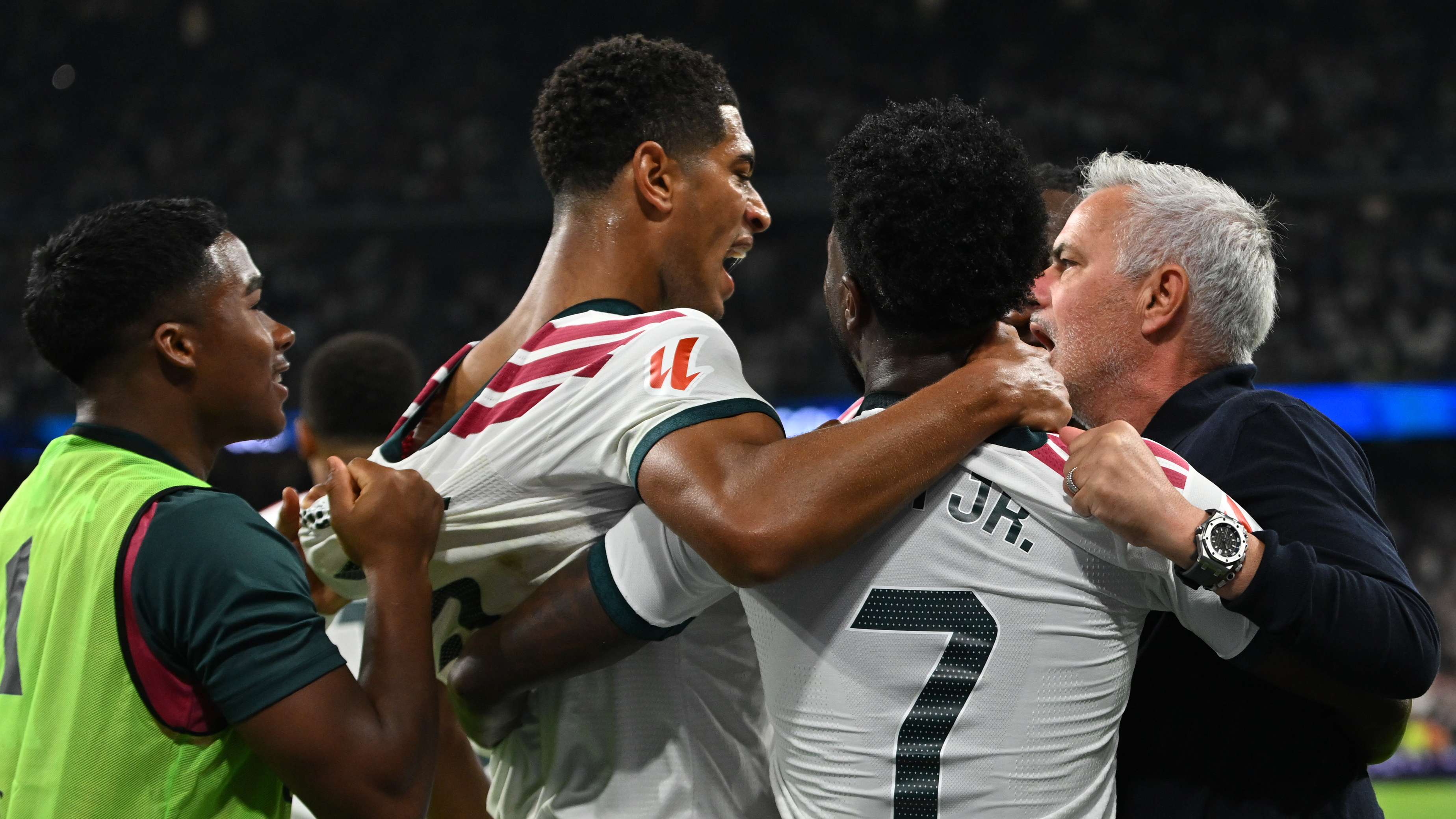
Real Madrid had little time to celebrate their hard-earned victory over Villarreal. Controversial refereeing decisions dominated the post-match conversation, while the closing stages tested the visitors’ composure as they defended with 10 men against a determined Champions League contender. Yet the result offered a significant positive for José Mourinho: his side showed the defensive discipline and resilience needed to protect a narrow lead under pressure.
Thibaut Courtois recorded only his second clean sheet of the season, providing a welcome boost for a team that had struggled to keep opponents off the scoresheet in earlier fixtures. Málaga were the only other side Real Madrid had shut out. Against Villarreal, however, the clean sheet was not simply a product of luck. It reflected a collective defensive effort, especially during the final stretch, when the home side pushed forward in search of an equaliser.
Possession Did Not Bring Villarreal Consistent Threat
Villarreal enjoyed spells of control, but their possession did not consistently translate into clear chances. According to figures reported by Spanish newspaper AS, Real Madrid finished with 54% of the ball, compared with Villarreal’s 46%. Those overall numbers, though, conceal how the match shifted from one phase to another.
Villarreal held close to 60% possession during the opening 15 minutes. Despite that early control, they struggled to establish themselves in the most dangerous areas of the pitch. The ball spent less than 20% of that opening period in the final third of Real Madrid’s half, suggesting that the visitors were able to keep the opposition at arm’s length even when they did not have the ball.
Mourinho’s approach was built around compact lines, coordinated pressure and limiting the space available between midfield and defence. Rather than allowing Villarreal to advance freely toward Courtois, Real Madrid worked to disrupt their passing routes and force attacks away from the most dangerous central areas. It was a practical response to an opponent capable of using possession well, and one that helped the visitors remain organised through the first hour.
Late Pressure Puts Real Madrid’s Defence to the Test
The match changed sharply after Vinícius was sent off in the 72nd minute. With a numerical advantage, Villarreal increased the pressure and committed more players forward. During the final 15 minutes, their possession climbed to 74.3%, while they spent 40.3% of that period in the final third.
Villarreal also produced six of their 15 total shots after the dismissal, turning the closing stages into the most demanding spell of the contest for Real Madrid. Courtois was called into action to deny efforts from Carlos Romero and Georges Mikautadze, with both saves helping preserve the lead. The goalkeeper’s intervention mattered, but so did the defensive work in front of him: Real Madrid’s players tracked runners, challenged for loose balls and tried to prevent Villarreal from building sustained pressure inside the penalty area.
Even while defending deep, Real Madrid did not abandon the possibility of attacking. The visitors looked for counter-attacking opportunities when Villarreal left space behind their advancing players. Those breaks offered a reminder that defensive resilience does not have to mean passive resistance. A well-timed clearance or interception can become the start of a dangerous transition, particularly when the opposition is committing numbers forward.
Duels and Concentration Underline the Team Effort
One statistic captured the physical commitment required to see out the win: Real Madrid won 57.3% of the individual duels contested during the match. Winning those battles helped the visitors relieve pressure, interrupt Villarreal’s rhythm and prevent second balls from repeatedly falling to the attacking side.
Several players stood out in the duel statistics, including Dioumande, Jude Bellingham, Kylian Mbappé and Cucurella, who each won six. The contribution of the Spain international was especially notable. Introduced at half-time in place of Carreras, he won six of his seven duels and came out on top in all five of his ground challenges. Making that impact in only 45 minutes highlighted the value of fresh legs and immediate intensity in a match that became increasingly physical.
These numbers also point to an important part of Real Madrid’s performance that can be overlooked when attention focuses on possession or shot totals. The team’s ability to compete in one-on-one situations helped protect its defensive structure. When players win their individual contests, the rest of the formation has more time to recover and maintain its shape.
Mourinho Focuses on Progress, Not the Controversy
Before the match, Mourinho said the team needed time to improve and that he was concentrating on the areas under his control. His comments reflected a broader message: progress would come through training, tactical adjustments and consistent execution rather than through outside distractions.
After the final whistle, the coach declined to discuss the refereeing controversy, apparently choosing not to risk a disciplinary sanction. The decision also kept attention on the football itself. Regardless of the debate around the officials, Real Madrid had still needed to manage a difficult finish against a strong opponent, and their response gave Mourinho grounds for satisfaction.
What the Result Means for Real Madrid
The victory may not settle every concern about Real Madrid’s defensive consistency, but it offered evidence that the side can remain organised when a match turns against it. A second clean sheet of the campaign, Courtois’ late saves and the team’s success in the duels all provide encouraging signs for Mourinho as he continues to refine the system.
For supporters considering the next football prediction, this performance offers both reassurance and a note of caution. Real Madrid showed they can protect a lead through discipline and resilience, but the late pressure also demonstrated how quickly a contest can become uncomfortable when they are reduced to 10 players. Their upcoming Champions League schedule will bring another test, with Villarreal set to face Napoli on 14 October 2026 and Real Madrid scheduled to meet another European opponent on 15 October. Maintaining defensive concentration—and turning counter-attacking chances into goals—could be crucial as the demands of the season increase.
Ultimately, the result was not a flawless display, nor one free from controversy. It was a hard-fought win built on commitment, organisation and key interventions at the right moments. For Mourinho, that resilience may prove just as valuable as the three points themselves.