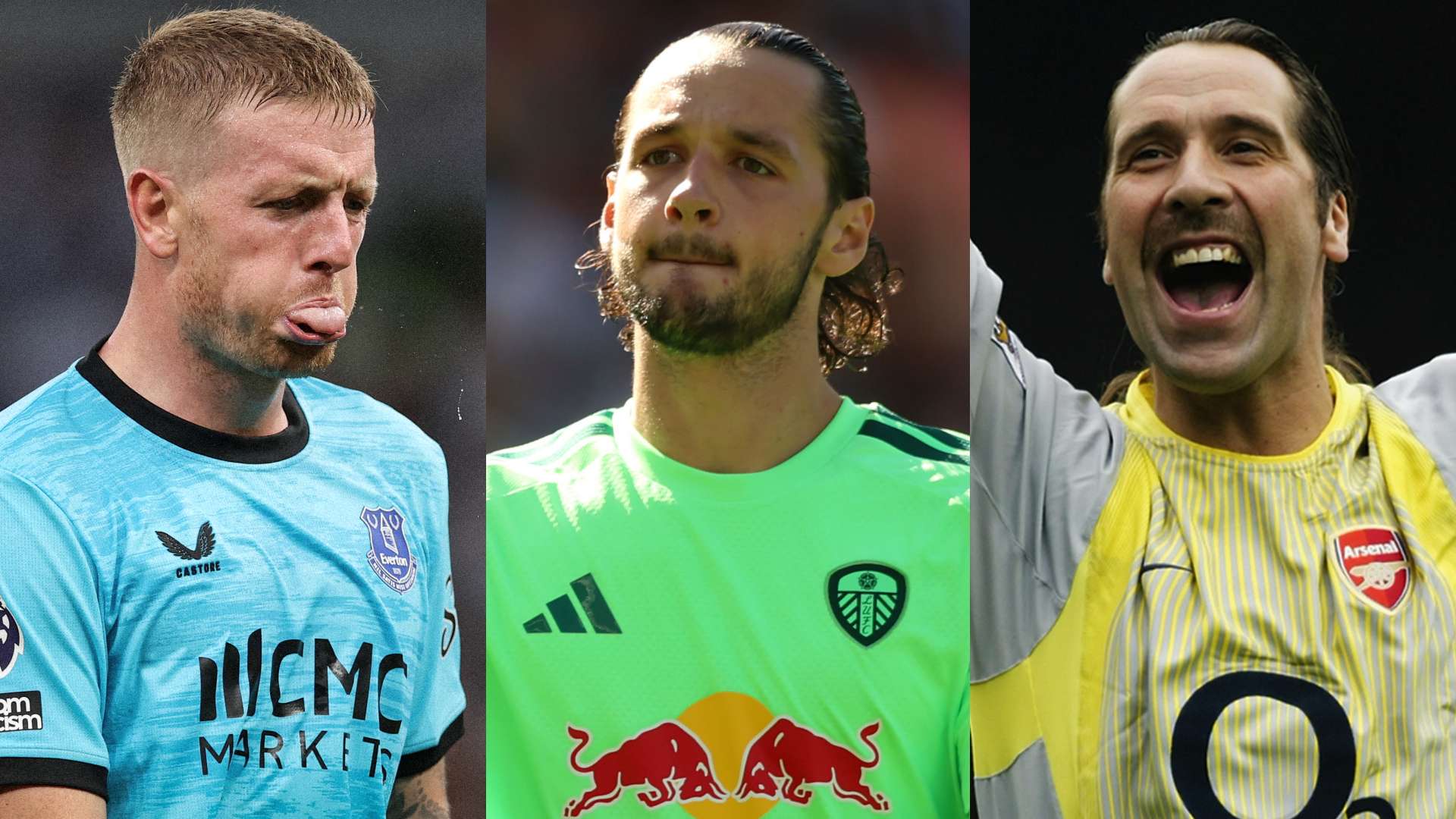

James Trafford faces his first Leeds United test as Matt Kilgallon makes David Seaman and Jordan Pickford comparison
James Trafford’s move to Leeds United was always going to bring attention, but the scrutiny has intensified now that the England international is beginning to experience the demands of life at Elland Road. Signed from Manchester City for a reported £40 million ($53 million), the 24-year-old goalkeeper arrived as a record-breaking addition and with expectations to match.
Former Leeds defender Matt Kilgallon believes Trafford has the temperament and qualities to handle that pressure. Speaking to GOAL, Kilgallon compared the goalkeeper’s potential influence to that of two prominent England No. 1s: David Seaman and Jordan Pickford. The comparison is not a suggestion that Trafford has already reached their achievements. Rather, it reflects the importance of a confident, commanding goalkeeper who can become a trusted figure for both club and country.
A record transfer brings immediate expectations
Goalkeepers are often judged differently from outfield players. A striker can miss a chance and still contribute through movement, pressing or link-up play. A goalkeeper’s mistake, however, can be replayed repeatedly and may directly change the result. That reality is especially pronounced at Leeds, where passionate supporters expect commitment and resilience from every player wearing the shirt.
Trafford’s transfer fee has inevitably added another layer of pressure. A £40 million investment signals that Leeds view him as more than a short-term solution. The club will expect him to establish himself, improve the team’s defensive reliability and provide a foundation for its ambitions. For Trafford, the challenge is to make the price tag feel irrelevant by focusing on the next save, the next decision and the next match.
His first uncomfortable questions as a Leeds player are therefore part of a familiar process for a high-profile signing. Supporters and pundits want to know how he will respond when the spotlight is on him, particularly after an error or a difficult performance. The strongest answer is usually delivered on the pitch: through calm handling, clear communication and dependable performances over time.
Why Kilgallon sees echoes of Seaman and Pickford
Seaman and Pickford represent different eras of English goalkeeping, but both have become reference points for the role. Seaman was known for his composure, longevity and ability to perform under scrutiny. Pickford has built a reputation for energy, strong reactions and an assertive presence, while also becoming a regular for England at major tournaments.
Kilgallon’s comparison highlights the kind of character Trafford may need to show at Leeds. A goalkeeper cannot simply rely on reflexes. He must organise the defence, communicate decisively and recover quickly from setbacks. At a club with a demanding atmosphere, those qualities can be as important as spectacular saves.
There is also a broader point in the comparison: successful goalkeepers often become leaders through consistency. They earn trust by making routine interventions look straightforward and by staying composed when a match becomes chaotic. If Trafford can combine technical ability with that sort of authority, he could grow into a central figure at Elland Road.
Handling pressure in Leeds’ high-stakes environment
Leeds United’s identity is closely tied to intensity. The team’s style and the crowd’s expectations can create an emotional environment in which momentum shifts quickly. A goalkeeper must be prepared to deal with crosses, shots from distance, one-on-one situations and the pressure of playing out from the back. Just as importantly, he needs to help the players in front of him remain organised.
That responsibility becomes more demanding when a team is adapting to new players, tactics or competition. Trafford’s early performances will be assessed not only by the number of goals conceded but also by how he contributes to the overall structure. Does he make the right decision when under pressure? Can he communicate with his centre-backs? Is he decisive when claiming a cross? These details can shape a team’s confidence across a full season.
Leeds will also need to give their new goalkeeper time to settle. Even an experienced shot-stopper must build understanding with defenders, learn the team’s preferred defensive patterns and adjust to the speed and physicality of a new environment. A successful partnership between goalkeeper and back line develops through repetition, trust and clear communication—not just individual talent.
What Trafford needs to prove next
The most important measure of Trafford’s progress will be consistency. One outstanding save can change a match, but a reliable goalkeeper prevents small problems from becoming major ones week after week. That means controlling rebounds, choosing when to punch or catch, positioning himself well and avoiding unnecessary risks.
His response to criticism will be equally important. Every goalkeeper makes mistakes, including the most celebrated names in football. The difference is often how quickly a player resets and whether he can maintain confidence after a difficult moment. Trafford’s ability to move on from setbacks could prove crucial as he adjusts to the attention that comes with being Leeds’ record signing.
There is a potential benefit to that scrutiny, too. High expectations can sharpen a player’s focus and accelerate development when they are matched by support from teammates and coaching staff. If Trafford performs well under pressure, the same attention that initially magnifies every error could eventually strengthen his reputation as a dependable No. 1.
Leeds United prediction: a long-term project with immediate demands
Any prediction about Trafford’s impact should balance the scale of the transfer with the time needed to adapt. Leeds have made a major commitment, and supporters will expect visible progress. Yet judging a goalkeeper after a handful of matches can be misleading, particularly when defensive partnerships and team systems are still taking shape.
If Trafford settles quickly, communicates effectively and turns his shot-stopping ability into consistent performances, he has the opportunity to become one of Leeds’ defining players. Kilgallon’s references to Seaman and Pickford underline the potential for a goalkeeper to become a symbol of reliability and leadership—not merely a specialist who waits for shots.
For now, Trafford’s task is straightforward in principle, even if demanding in practice: earn the trust of his defence, respond calmly to difficult questions and deliver the dependable performances expected of a major signing. The comparisons offer encouragement, not a guarantee. Whether he can turn that promise into a lasting reputation at Elland Road will be one of the most compelling football stories to follow.