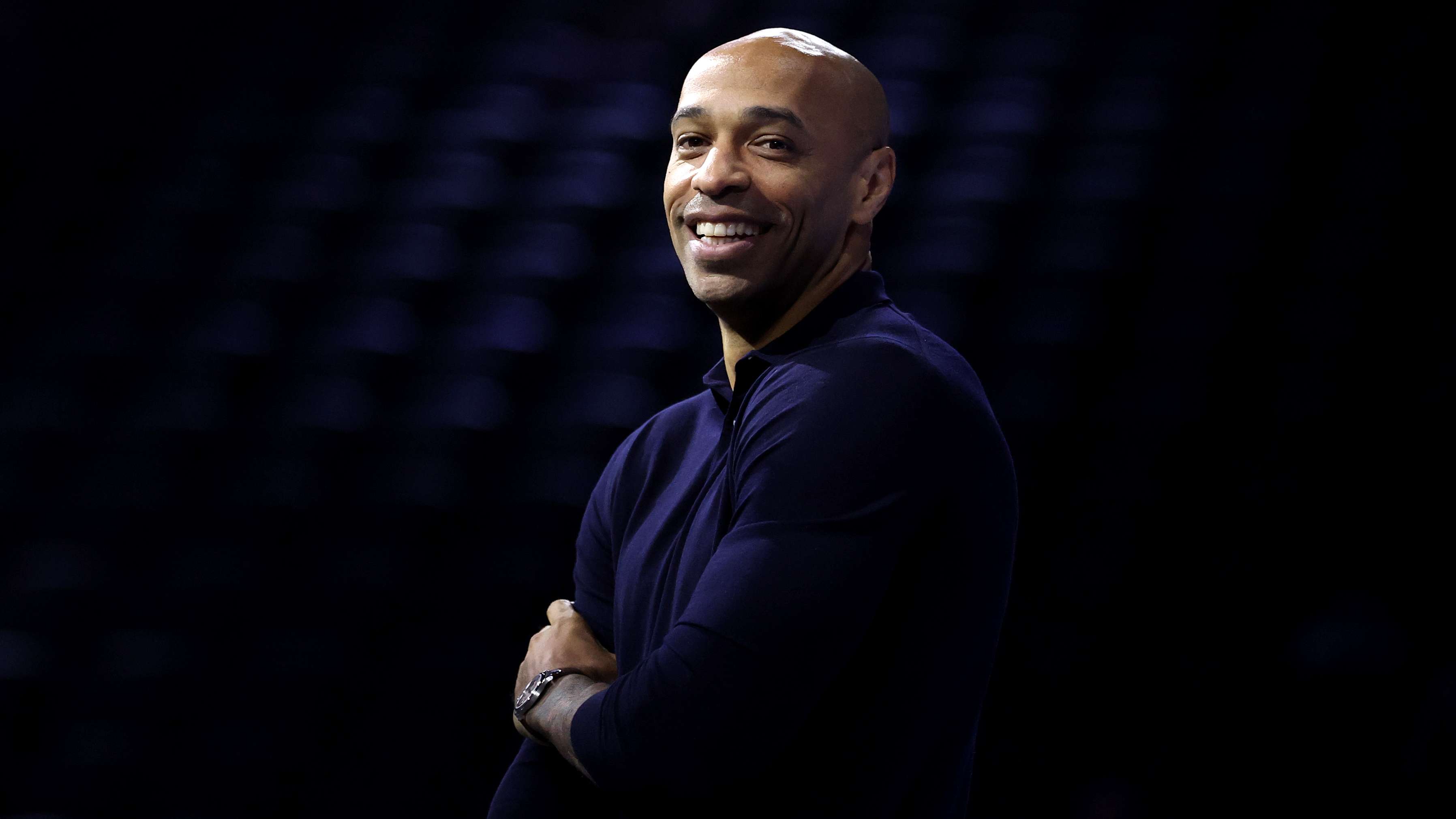

Thierry Henry Responds to Ballon d’Or Ceremony Backlash
French football legend Thierry Henry has addressed criticism over two moments from Monday’s Ballon d’Or ceremony, where he co-hosted the event with presenter Kate Scott. In a video shared after the show, Henry explained the intent behind his remarks to Barcelona teenager Lamine Yamal and a light-hearted exchange with Scott while they presented the Socrates Award.
The incidents prompted a lively debate among viewers, with some describing Henry’s comments as disrespectful and others viewing them as harmless jokes. Henry acknowledged that humour can land differently with different audiences, but said neither moment was meant to embarrass or offend anyone.
Why Henry Asked Yamal About the Kopa Trophy
Yamal took to the stage to collect the Kopa Trophy, the award recognising the world’s best young player. It was his third consecutive win, an extraordinary achievement for a player who is still in his teens. During the presentation, Henry asked whether the Kopa Trophy was truly the prize Yamal wanted, suggesting that the Barcelona star would ultimately have his sights set on the senior Ballon d’Or.
Some viewers felt the question placed unnecessary pressure on a young player or made light of an important personal achievement. Others interpreted it as playful banter between two football figures, with Henry teasing Yamal about the bigger individual honour that could await him in the future.
Henry later explained that the question referred to Yamal’s remarkable run of three Kopa Trophy wins. The teenager has yet to claim the main Ballon d’Or, and Henry said his comment was intended as a joke about the distinction between the two awards—not as a criticism of Yamal’s achievement.
He also stressed that he is a great admirer of the Barcelona forward. Henry said he loves watching Yamal play and described him as one of the players he would happily pay to see in action. That endorsement carries weight from a former elite attacker who understands the technical skill, decision-making and confidence required to perform at the highest level.
Dispute Over the Socrates Award Exchange
The second controversy arose during the presentation of the Socrates Award, named in honour of the late Brazilian footballer Socrates. Henry joked with Scott about how she pronounced the former Brazil captain’s name, bringing up its connection to the Greek philosopher and correcting the way she said it.
While some viewers saw the exchange as friendly co-hosting, others considered Henry’s response rude. Andrew Downie, author of a book about Socrates, argued that Scott had pronounced the name correctly and criticised Henry’s behaviour. The disagreement drew attention to the challenges of live television, where a brief exchange can be interpreted in very different ways once clips circulate online.
In his response, Henry said Scott was part of the joke and deliberately played along. He accepted that some people might not find the moment funny, but objected to claims that he had acted with disrespect. He said he would never intentionally offend either Scott or Yamal, adding: “I would never do that.”
Live Football Coverage and the Power of Tone
The reactions highlight how quickly moments from major football events can become talking points beyond the awards themselves. The Ballon d’Or ceremony is watched by a global audience, and short clips often reach viewers without the full conversation or the relationship between the people on stage. A joke intended as familiar banter can therefore appear sharper when viewed in isolation.
That context matters in Henry and Scott’s case. The pair regularly work together as football analysts for CBS Sports, where they discuss the UEFA Champions League alongside Jamie Carragher and Micah Richards. Their professional relationship includes frequent on-air exchanges, although viewers unfamiliar with that dynamic may interpret their interaction differently.
There is also a broader question around how public figures speak about young footballers. Yamal’s rapid rise has made him one of the most closely watched players in the sport, and every comment about his future can attract scrutiny. Henry’s explanation made clear that he intended to celebrate the teenager’s potential, but the discussion also reflects the pressure that comes with being compared to football’s biggest individual honours at such a young age.
What the Reaction Means for Henry’s Public Image
Henry’s response did not attempt to dismiss every criticism. Instead, he acknowledged that people may not have enjoyed the jokes while asking them not to mistake humour for hostility. That distinction is central to the debate: viewers can dislike a remark without concluding that the speaker intended to humiliate someone.
As a former France international and one of the most recognisable figures in modern football, Henry remains a prominent voice in the sport. His analysis is often valued for its tactical insight and experience, but his public appearances also attract close attention. The Ballon d’Or episode is a reminder that presenters and pundits are judged not only on what they say, but on tone, timing and the context in which their words are delivered.
For now, Henry has offered his explanation, while the ceremony’s most discussed moments continue to fuel conversation among football fans. Whether viewers see the exchanges as harmless humour or awkward television may depend on their reading of the tone. What is clear is that Henry has reaffirmed his respect for Scott and his admiration for Yamal, and insists that neither moment was intended to cause offence.