
Barcelona’s Thrilling 4-2 Victory: Inside the Decision-Making Process Behind Lamine Yamal’s Penalty Takeover
In a captivating fixture that showcased the relentless spirit and tactical depth of FC Barcelona, the Catalan giants triumphed 4-2 over Levante in a match filled with drama, skill, and strategic decision-making. A pivotal moment in this clash was the decision to have young prodigy Lamine Yamal step up and take a penalty kick, a move that not only influenced the game’s outcome but also sparked widespread debate among fans and experts about the club’s penalty-taking hierarchy.
Unraveling the Penalty Decision: Hansi Flick’s Insight
Barcelona’s head coach, Hansi Flick, offered rare transparency regarding the internal processes that led to Yamal’s role as the designated penalty taker in this high-stakes match. Flick explained that the decision was rooted in a combination of factors, including the player’s confidence, composure under pressure, and ongoing assessment of the squad’s penalty-taking hierarchy.
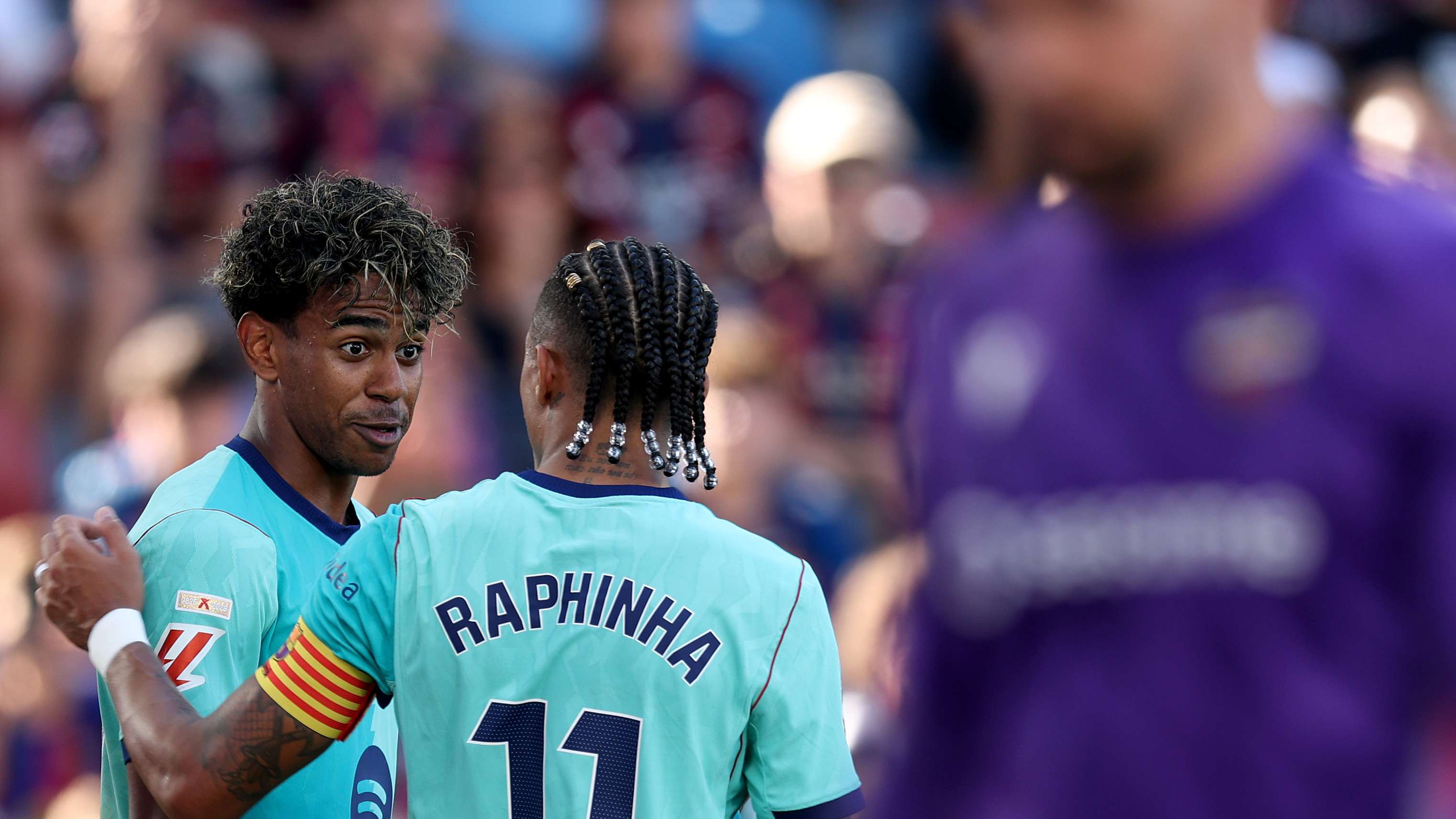
“Lamine has shown remarkable maturity and confidence during training sessions and in previous matches,” Flick stated. “While Raphinha is an experienced player, we felt that Yamal’s current form and mental readiness made him the best choice for this crucial moment.”
This candid insight sheds light on the strategic thinking involved in football management at the highest level. It’s a reminder that, beyond talent, psychological readiness and tactical judgment are key components in decision-making during matches, especially when it comes to penalties that can turn the tide of a game.
The Significance of Lamine Yamal’s Penalty: A Historic Achievement
Yamal’s successful conversion from the penalty spot was not just a routine goal; it carried significant historical weight. By netting from 12 yards, the young forward matched an impressive 21st-century record previously set by none other than Barcelona legend Lionel Messi. This achievement underscores Yamal’s rising star status within the club and the broader football community.
Scoring a penalty that echoes Messi’s record is a testament to Yamal’s skill, composure, and the club’s faith in nurturing young talent. It also highlights the evolving dynamics of football predictions, where emerging players are increasingly making their mark on the big stage, challenging traditional hierarchies and expectations.
Understanding the Penalty-Taking Hierarchy in Football
The decision to appoint penalty takers in football teams often involves a complex hierarchy that balances technical skill, mental toughness, and tactical considerations. Typically, experienced players with a history of success in high-pressure situations are designated as primary penalty takers. However, as seen in this match, coaches may also consider emerging talents who demonstrate confidence and calmness during critical moments.
In Barcelona’s case, the inclusion of Yamal in the penalty-taking order signifies a strategic shift that emphasizes the importance of nurturing young players and recognizing their mental resilience. The decision reflects a broader trend in football prediction models, where data-driven insights and psychological assessments are increasingly used to craft optimal lineups and match strategies.
Strategic Implications for Barcelona and Football Predictions
Barcelona’s decision to have Yamal take the penalty has several implications for both the club and football prediction enthusiasts. For the club, it underscores a forward-thinking approach that prioritizes player development and tactical flexibility. For football prediction analysts, it offers a case study in how teams adapt their strategies based on player form, confidence levels, and match context.
Such moments also influence betting markets and predictive models that analyze the likelihood of players taking penalties and scoring. Young talents like Yamal becoming the designated penalty takers can shift predictions and betting odds, adding layers of complexity and excitement to football predictions.
Broader Context: Youth Development and Tactical Evolution
The rising prominence of young players like Lamine Yamal in key match situations highlights the ongoing evolution of football tactics and youth development strategies. Modern clubs are increasingly investing in scouting, nurturing, and integrating young talents into their first-team plans, recognizing their potential to impact matches and influence football predictions.
Yamal’s successful penalty not only boosts his confidence but also signals to other emerging players that dedication and mental strength can earn them pivotal roles on the pitch. For Barcelona, this approach aligns with their broader philosophy of developing homegrown talent and maintaining a competitive edge through strategic player utilization.
Looking Ahead: The Future of Football Predictions and Player Roles
As football continues to evolve, so too will the methods used to predict match outcomes and player performances. The example set by Yamal’s penalty success demonstrates that predictions are increasingly factoring in psychological resilience and real-time decision-making processes. Coaches’ internal hierarchies—determined by form, confidence, and tactical needs—are becoming more transparent and influential in shaping game strategies.
For football fans and analysts, understanding these nuances enhances the appreciation of the beautiful game. The blend of tactical acumen, player psychology, and data analytics creates a richer narrative around each match, making football predictions more sophisticated and engaging.
Conclusion: A Noteworthy Moment in Modern Football
Barcelona’s 4-2 win against Levante was a showcase of skill, strategy, and emerging talent. Lamine Yamal’s penalty success, backed by Hansi Flick’s strategic decision-making, exemplifies how modern football blends tradition with innovation. As young players continue to challenge established hierarchies, the landscape of football predictions will become increasingly dynamic, offering fans and analysts fresh insights into the beautiful game’s evolving narrative.
Looking forward, this match serves as a reminder that in football, every decision—down to who takes a penalty—can have a lasting impact, both on the scoreboard and on the future trajectory of players and teams. The integration of tactical insight, psychological resilience, and predictive analytics promises an exciting era for football enthusiasts worldwide.