
Hammam Al-Hammami’s rise puts Saudi clubs on transfer alert
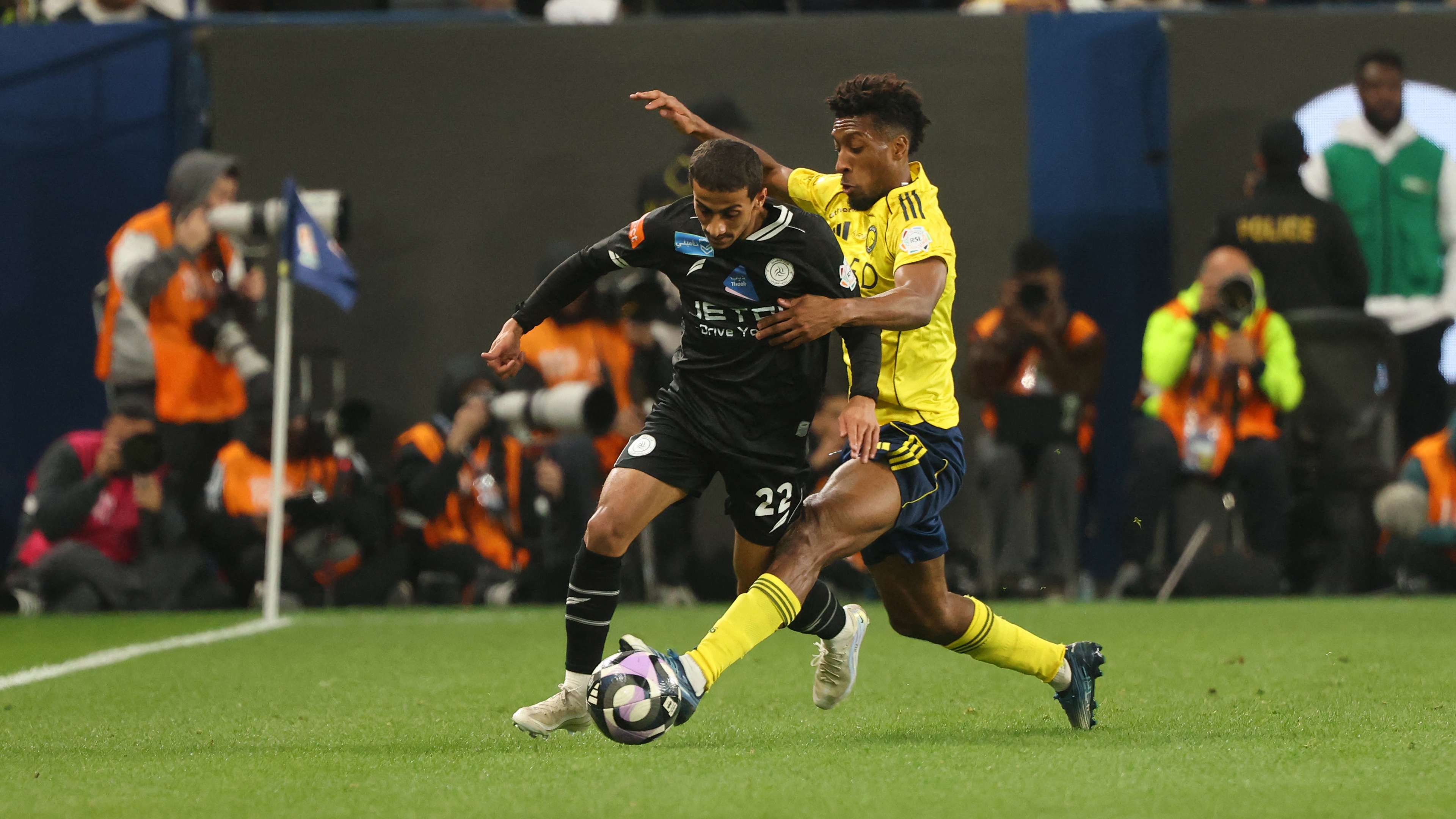
Hammam Al-Hammami has emerged as one of Saudi Arabia’s most intriguing football prospects, and his performances for the national team could soon spark a fierce transfer battle among the country’s leading clubs. The 22-year-old Al-Shabab winger has attracted growing attention after impressing at the 27th Gulf Cup, where his lively displays helped him step into the spotlight.
That interest is building at a critical moment. Al-Hammami’s contract with Al-Shabab is due to expire at the end of the current season, while discussions over an extension have reportedly stalled. Unless the club can make progress soon, it risks losing a promising player without receiving a transfer fee.
Why Al-Hammami is becoming a sought-after name
Al-Hammami’s appeal lies in a combination of youth, attacking ability and the opportunity his contract situation presents. At 22, he has time to develop further, while his recent international performances have offered a glimpse of what he might contribute at a higher level. For clubs looking to strengthen their wide options, he could represent both a sporting investment and a financially attractive opportunity.
His displays at the Gulf Cup have helped raise his profile beyond the regular audience for Al-Shabab matches. Wingers who can create danger, take on defenders and provide a spark in the final third are valuable in modern football, particularly in leagues where teams face compact defensive blocks. A player capable of changing the rhythm of a game can offer a manager a useful alternative when a match becomes difficult to unlock.
International tournaments can also accelerate a player’s reputation. A strong run of performances in the national shirt gives coaches and supporters a clearer view of how a prospect responds to pressure, unfamiliar opponents and the demands of representing his country. Al-Hammami’s recent exposure has therefore arrived at just the right time to intensify attention around his future.
A contract deadline that could shape the transfer market
Because Al-Hammami’s deal ends after the current campaign, the coming months may prove decisive. From January, he will be able to sign a pre-contract agreement with another club, subject to the applicable regulations. That would allow him to complete a move after his Al-Shabab contract expires in the summer, potentially without a transfer fee changing hands.
The possibility of securing a young winger at no cost is likely to appeal to clubs across Saudi Arabia. However, a free transfer does not necessarily mean a move would be inexpensive overall. A prospective buyer may need to offer a competitive salary, signing bonus and long-term role to convince the player to join. Even so, avoiding a transfer fee can make the deal attractive compared with recruiting a player whose contract still has several years to run.
For Al-Shabab, the situation creates a clear choice: reach an agreement that keeps Al-Hammami at the club or risk watching him leave for a rival. A renewal would protect the club’s investment and preserve a developing attacking option. If negotiations remain unresolved, Al-Shabab could face the prospect of losing a player who may become more valuable as his reputation grows.
What Al-Shabab must weigh in renewal talks
Contract negotiations often involve more than salary. A young player may want assurances about playing time, development opportunities and his place in the club’s long-term plans. Al-Shabab will need to show that it can offer a meaningful path forward, particularly if other teams present an appealing sporting project alongside improved financial terms.
The club must also consider how Al-Hammami fits into its broader squad strategy. If he is viewed as a central part of the team’s future, a renewal could be a priority. If his role has been limited, the club may need to decide whether it can offer the minutes and responsibility required to persuade him to stay. The answer could influence not only the player’s decision but also the club’s plans for the next transfer window.
There is a timing element, too. The longer the talks continue without a breakthrough, the more room rival clubs have to prepare an offer. Al-Shabab may still be able to persuade him to remain, but delay could strengthen the hand of teams hoping to sign him as a free agent.
Potential suitors and the wider Saudi football picture
Several of Saudi Arabia’s biggest clubs are expected to monitor the situation, though interest does not guarantee a formal approach. Any potential move would depend on squad needs, available places, the player’s preferences and the terms he is seeking. Clubs will also assess whether his Gulf Cup form can translate into consistent performances across a full domestic season.
For teams competing for honours, adding a young domestic player can bring benefits beyond the pitch. He may provide depth, increase competition for places and support the development of the national player pool. At the same time, signing a footballer who has already shown promise at international level can be a lower-risk option than recruiting an untested prospect from abroad.
Al-Hammami’s situation reflects a broader shift in the Saudi game, where local talent is receiving greater attention and clubs are increasingly aware of the importance of retaining or recruiting emerging players. The competition for promising domestic footballers can intensify quickly when a contract nears its end, especially if a player’s profile rises during a major tournament.
Prediction: a defining few months for Al-Hammami
The most important factor in the coming months will be whether Al-Shabab can turn stalled renewal talks into a convincing offer. If the club demonstrates that Al-Hammami has a significant role in its plans, staying could remain an attractive option. But if negotiations continue to drift, the prospect of a fresh challenge—and the chance to join another club without a transfer fee—may become increasingly difficult to ignore.
For now, a transfer is not certain, and Al-Shabab still has an opportunity to secure the winger’s future. Yet his age, recent performances and contract timeline make him a name worth watching as the next window approaches. The prediction is that interest will grow unless a renewal is announced soon, putting pressure on Al-Shabab to act before rival clubs can make their move.
Whether he stays or leaves, Al-Hammami has already made an impression. His Gulf Cup performances have transformed a contract discussion into one of the more compelling domestic football stories to follow, with the next chapter likely to be decided by negotiations as much as by what happens on the pitch.