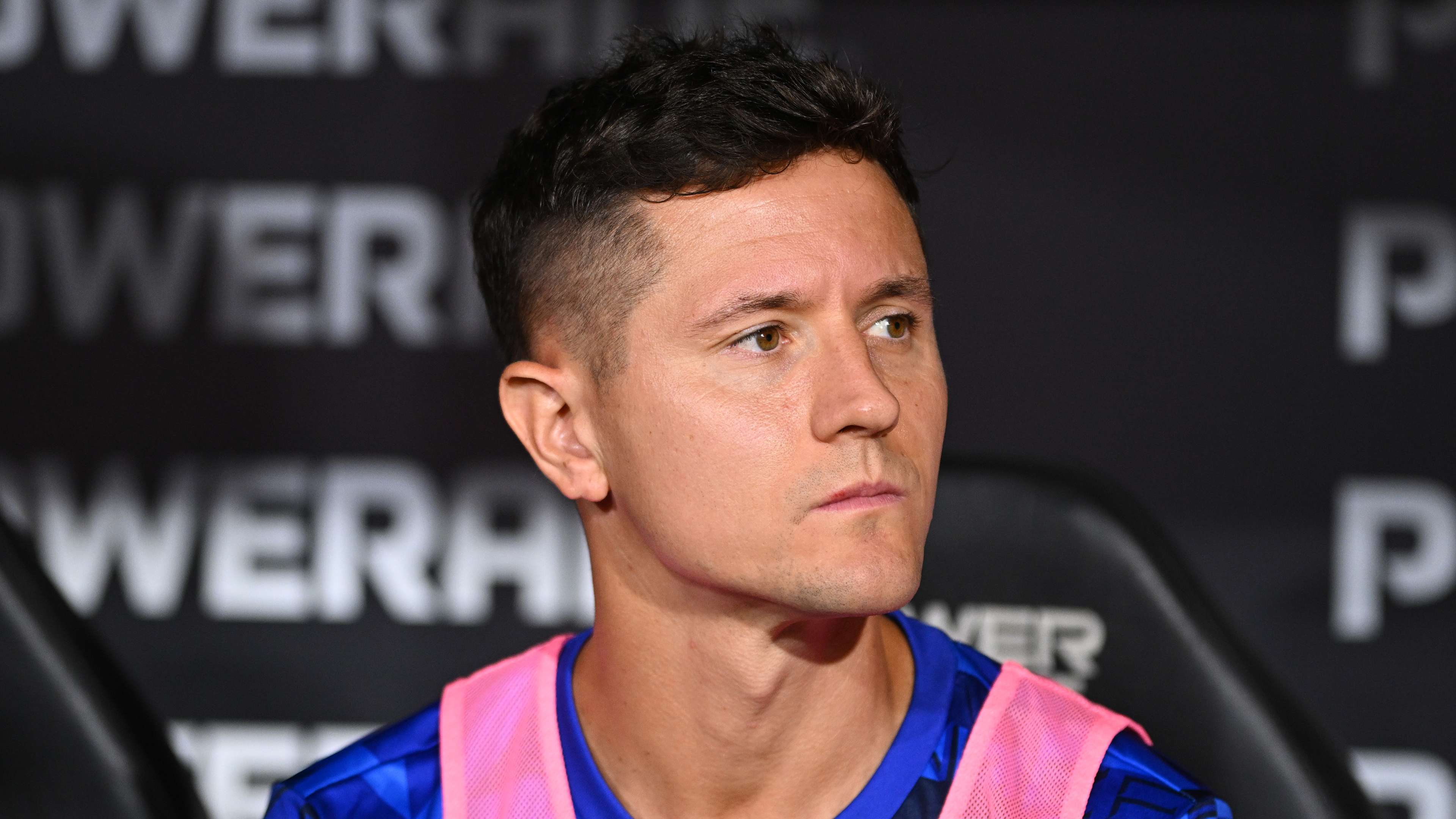

Ander Herrera explains why he is playing for free at Real Zaragoza
Former Manchester United midfielder Ander Herrera has revealed why he chose to return to Real Zaragoza without taking a salary. The experienced Spanish footballer is donating his entire weekly wage back to the club, offering practical support to the team he has followed since childhood as it attempts to recover from years of instability.
For Herrera, the decision is about more than a contract or a place in the squad. Zaragoza is the club that shaped his earliest football memories, and his return gives him an opportunity to contribute to its future at a time when the historic side needs commitment on and off the pitch. His gesture has also drawn attention to the financial pressures facing clubs outside Spain’s wealthiest footballing circles.
A personal decision rooted in Zaragoza
Herrera’s connection to Real Zaragoza runs deep. Born in Bilbao, he grew up supporting the Aragonese club, where his father, Pedro Herrera, worked as a sporting director. That family link gave the midfielder an early view of the club’s culture and the demands of professional football. Zaragoza was not simply another team in his career; it was part of his life long before he became an established player.
By agreeing to play without keeping his wages, Herrera has turned that longstanding affection into a direct form of support. The arrangement allows him to train and compete with the squad while directing his earnings back to the club. It is an unusual step in modern professional football, where salaries and transfer fees often dominate headlines, but Herrera’s choice reflects a different kind of value: loyalty to a community and a desire to help a familiar institution regain stability.
More than a symbolic gesture
Financial support from one player cannot solve every challenge a club faces. Zaragoza’s recovery depends on sound management, strong recruitment, consistent performances and the backing of its supporters. However, Herrera’s decision can still make a meaningful contribution. Returning his wage can ease some pressure on the club’s budget, while his willingness to make the sacrifice sends a message of confidence to teammates, fans and potential partners.
His presence may also have value beyond the money involved. An experienced midfielder can help younger players understand the demands of senior football, guide the team through difficult moments and set standards in training. Those contributions are harder to measure than goals or assists, but they can matter greatly to a side trying to rebuild its identity and compete consistently.
A career shaped by high-level football
Herrera brings considerable experience to Zaragoza. He became widely known during his time at Manchester United, where he played in midfield and earned a reputation for his energy, tactical discipline and willingness to press opponents. He later continued his career with Paris Saint-Germain and Athletic Club, adding experience across major European competitions and different footballing environments.
That background gives Zaragoza a player who has worked under pressure at the highest level. Herrera has experienced the expectations that come with representing major clubs, as well as the importance of teamwork in demanding matches. His return therefore offers the club more than a familiar name: it brings a professional who can help shape the squad’s approach and provide perspective during a challenging period.
For supporters, the move also carries emotional weight. A former Manchester United player choosing to give back to his boyhood club is a compelling story, but its significance is especially clear in Zaragoza, where fans have remained invested through years of uncertainty. Herrera’s commitment may help renew optimism, although the team will still need to translate that goodwill into results on the pitch.
Why Zaragoza’s rebuilding effort matters
Real Zaragoza is one of Spain’s best-known historic clubs, with a proud past and a loyal following. Yet a strong history does not guarantee an easy present. Clubs outside the top tier of European football often have to balance ambitious sporting goals with limited resources, changing ownership structures and the difficulty of retaining talented players. In such circumstances, stability can be just as important as a high-profile signing.
Herrera’s decision shines a light on the role that personal commitment can play in a club’s recovery. Supporters may be encouraged by his gesture, but a sustainable rebuild requires more than individual sacrifice. Zaragoza will need clear planning, effective development of young players and a squad capable of performing consistently across a long season. The midfielder’s experience could support those aims, particularly if he helps create a more disciplined and confident team environment.
What Herrera could bring on the pitch
As a midfielder, Herrera’s strengths have traditionally included work rate, intelligent movement and an ability to connect different areas of the team. He is not known solely for spectacular attacking numbers; much of his influence comes from pressing, covering space and helping teammates maintain structure. Those qualities can be valuable for a side seeking greater balance and resilience.
His role will depend on his fitness, the manager’s tactical plans and how quickly he settles into the squad. Still, an experienced player who understands the rhythm of high-level football can help Zaragoza manage matches more effectively. He may also provide leadership in close games, when calm decision-making and communication can make a decisive difference.
What Herrera’s return means for Zaragoza supporters
Herrera’s choice has created a powerful narrative, but expectations should remain grounded. A wage donation does not automatically guarantee promotion, improved results or an immediate return to former glories. Football is unpredictable, and the club’s progress will depend on a combination of player performance, coaching, recruitment and long-term planning.
Even so, his actions give fans a reason to believe that Zaragoza’s future matters to people who understand the club’s history personally. The move may also encourage a stronger connection between the squad and its supporters, reinforcing the idea that rebuilding is a shared effort rather than a task left to management alone.
For football followers searching for a prediction about what comes next, Herrera’s arrival offers grounds for cautious optimism rather than certainty. His experience and commitment could strengthen Zaragoza, but the real test will be whether the team can turn that support into consistent performances. What is already clear is that the midfielder has made a rare statement of loyalty: he is returning to the club he loved as a boy and choosing to put its recovery ahead of personal earnings.