
Mainz Question VAR Decision After Dramatic 4-3 Defeat to Leverkusen
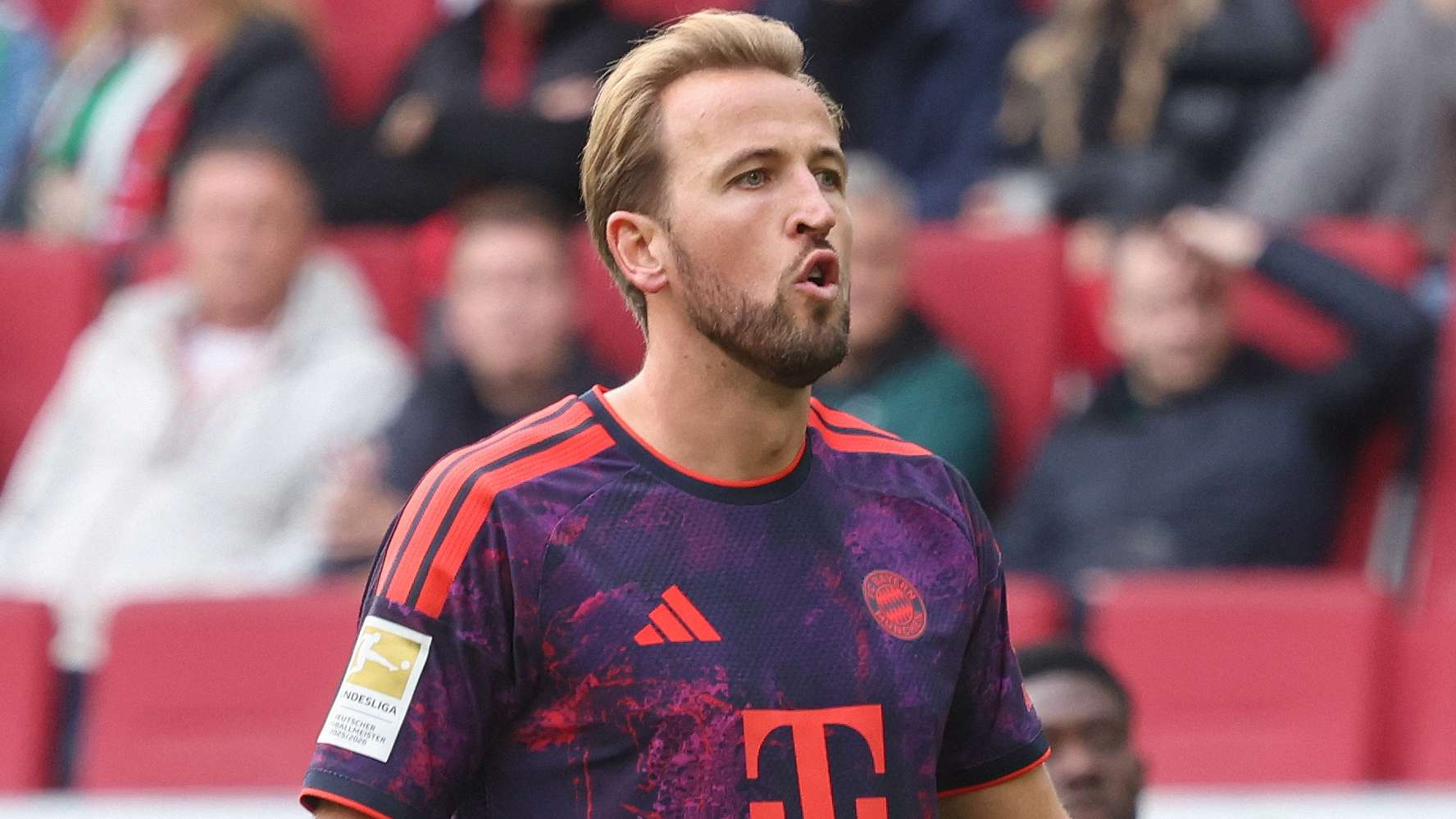
FSV Mainz 05 were left frustrated after a controversial goal helped shape their 4-3 home defeat to Bayer Leverkusen, with defender Stefan Posch questioning why the video assistant referee did not intervene. The disputed moment came in the 55th minute, when Jarell Quansah scored after the ball had appeared to touch Leverkusen striker Patrik Schick’s hand during the build-up.
For Mainz, the incident was more than a fleeting point of disagreement. Posch described it as a decisive moment in a match that had already produced seven goals and swung repeatedly between the two sides. Yet while the Austrian centre-back felt the goal should have been ruled out, Mainz officials acknowledged that the interpretation of the handball rules may have allowed it to stand.
How the disputed goal unfolded
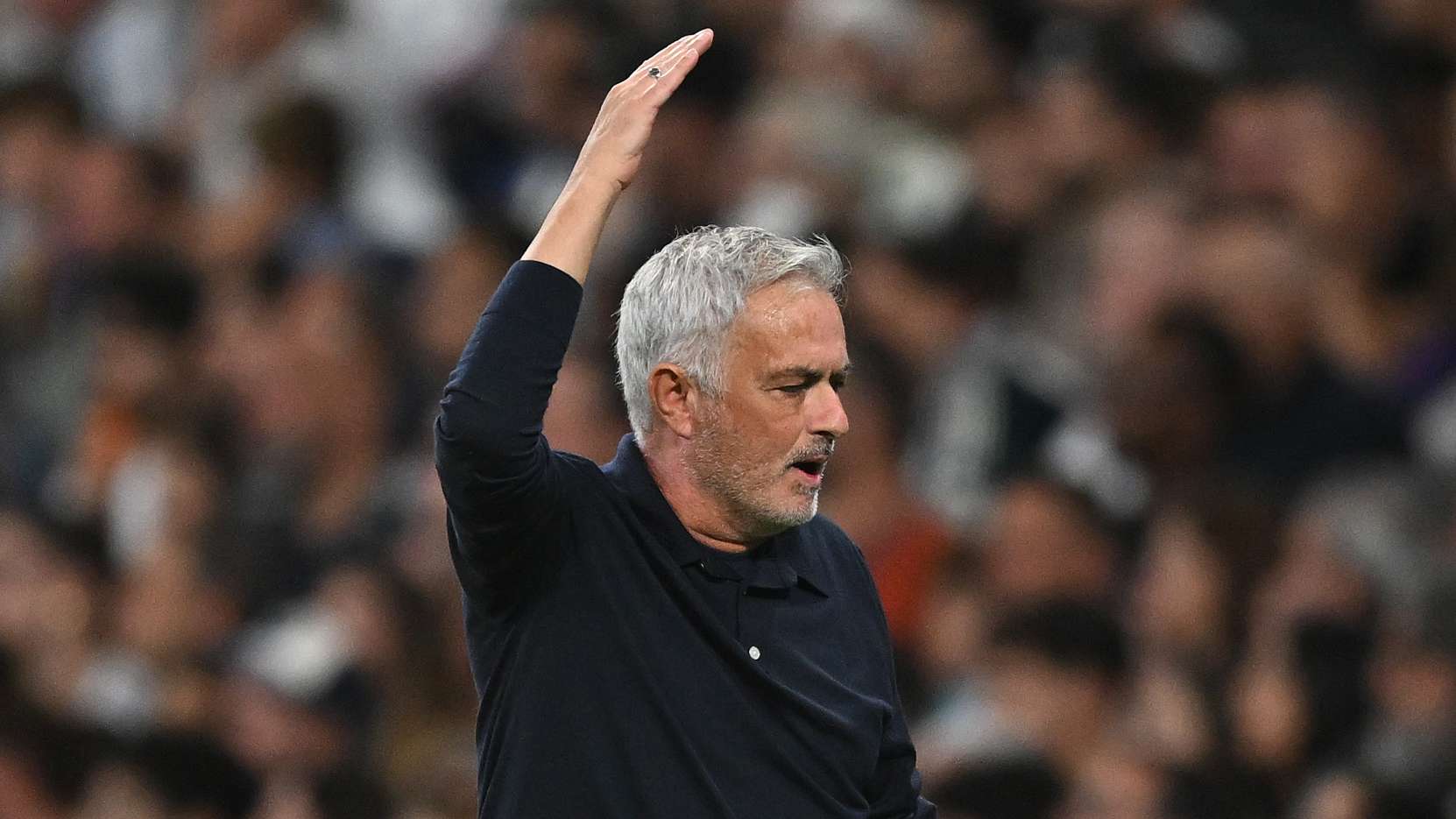
Schick received the ball as it bounced from his stomach onto his hand before continuing towards Quansah. The Leverkusen defender’s first attempt was saved, but he reacted quickly to the rebound and headed the ball into the net. Mainz players immediately appealed, and coach Urs Fischer protested from the touchline as the goal was reviewed.
Posch had not yet watched the replay when he spoke after the match, but he said the account he had been given left him struggling to understand the decision. He argued that Schick had gained an advantage by controlling the ball with his hand and described the contact as a clear offence. Posch added that he would need to review the footage himself, while making clear that, based on what he had heard, he believed the goal should not have counted.
The defender also criticised the VAR process, saying he could not understand what the video referee had been looking at. His comments reflected the immediate anger often felt by players when a close call goes against them, particularly when the decision concerns a goal that could influence the result.
Why the handball interpretation matters
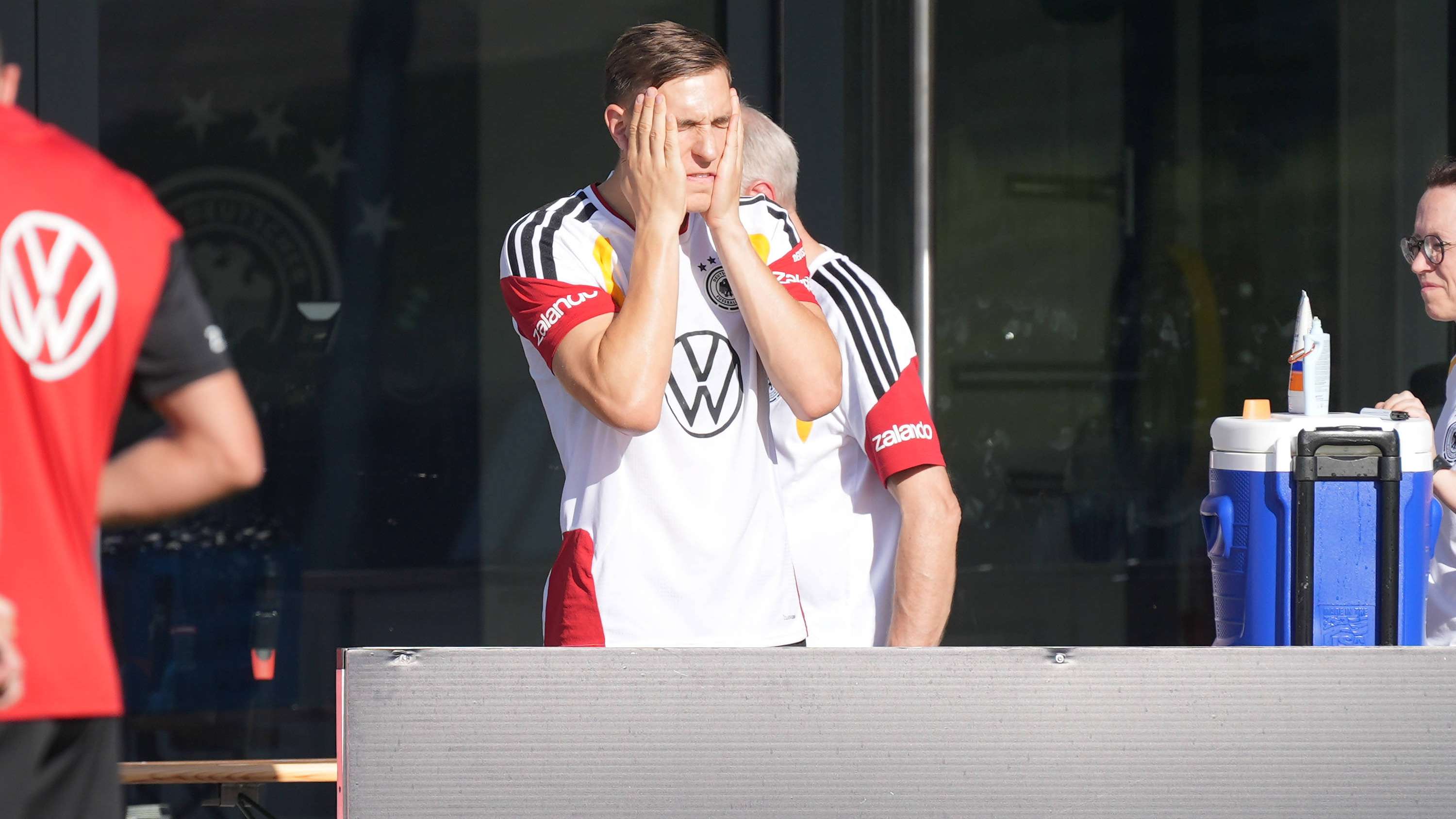
The distinction between a handball by the scorer and contact by a teammate can be crucial under football’s rules. As Mainz sporting director Niko Bungert explained, a goal would likely have been disallowed if Quansah himself had handled the ball before scoring. Because the suspected contact involved Schick, however, the key question was whether his handball was considered an offence that directly led to the goal.
That difference helps explain why the officials may have allowed the goal to stand, even though the incident looked controversial to Mainz. Handball decisions are not based solely on whether the ball touches an arm or hand. Referees must consider the circumstances, including the player’s movement, the position of the arm and whether the contact immediately creates the scoring opportunity.
Bungert said the ruling was probably consistent with the regulations as they were applied, but he still described the outcome as deeply disappointing and unfair in its effect. His response captured the tension surrounding modern VAR: a decision can be defensible under the written rules while remaining difficult for the team on the receiving end to accept.
Fischer focuses on Mainz’s performance
Fischer chose not to extend the post-match argument about the referee. Although he had protested during the review, the Mainz coach declined to discuss the official, Max Burda, after the final whistle. Instead, he directed attention to his own team’s performance, saying Mainz had not played well enough and needed to examine the mistakes they had made.
That response offered a more measured assessment of a chaotic contest. The disputed goal was a major talking point, but it was not the only factor in a 4-3 defeat. A match with seven goals inevitably raises questions about defensive organisation, decision-making and how effectively a team manages key phases of play. For Mainz, reviewing those areas may be as important as revisiting the VAR footage.
Posch said he had not spoken directly with Burda, though the referee had reportedly told Mainz midfielder Nadiem Amiri that the incident was not handball. Without the officials’ full explanation, the precise reasoning behind the decision remained unclear in the immediate aftermath. That uncertainty is likely to keep the debate alive among supporters and analysts reviewing the match.
What the result means for both teams
For Leverkusen, the goal counted and Quansah’s persistence paid off after his initial effort was stopped. The visitors left Mainz with a 4-3 victory in an entertaining but tense encounter. For the hosts, the result brought frustration on two fronts: they were beaten in a high-scoring game and were left convinced that a pivotal decision had gone against them.
Still, Mainz’s own assessment suggests the team will not treat the controversial call as the complete explanation for the loss. Fischer’s emphasis on errors points to a broader review, while the players’ reaction highlights how quickly a single decision can dominate the conversation after a close football match.
For fans considering a football prediction for either side’s next fixture, the game offers several factors to weigh beyond the final score. Leverkusen showed an ability to keep attacking and capitalise on rebounds, while Mainz will need to assess both their defensive performance and their response to setbacks. The result may also prompt renewed discussion about how VAR communicates handball decisions and whether clearer explanations could help players and supporters understand why a goal is allowed to stand.
Ultimately, the 4-3 defeat will be remembered in Mainz for the Quansah goal and the handball controversy surrounding it. Posch saw the incident as a clear offence and a turning point; Bungert accepted that the rules may have supported the ruling while calling the outcome bitter; and Fischer insisted that his team must look inward. Together, those reactions underline the difficult balance between applying football’s rules consistently and convincing those affected that a decision was fair.